


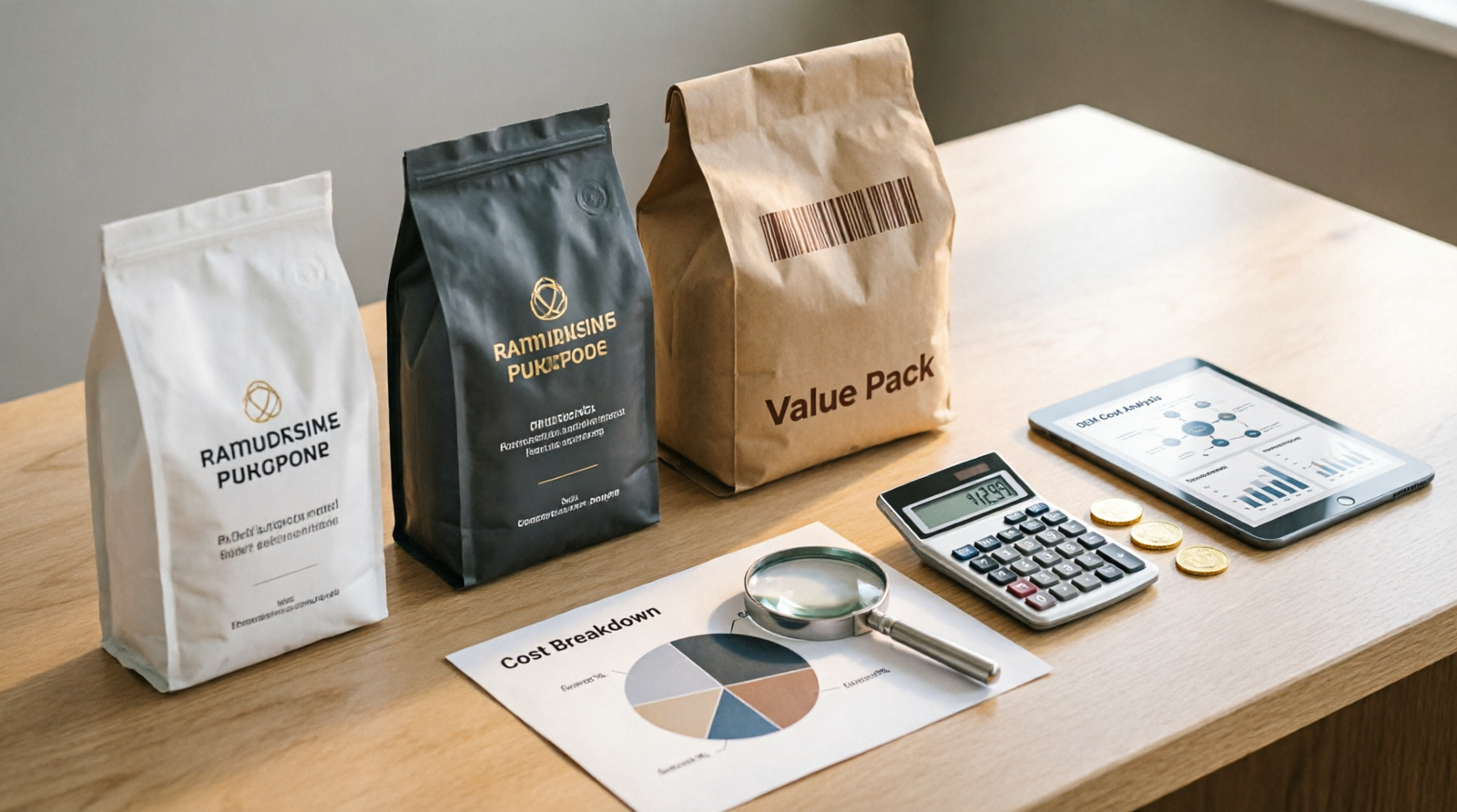

When a new pet brand asks us for a quote on private-label cat litter, the first question is almost always the same: “Why is the price what it is?” A landed cost per bag can swing 40% or more between two suppliers quoting what looks like the same product. Understanding the cost structure is the fastest way to negotiate well and avoid paying for the wrong things.
The Four Cost Layers
Every OEM cat litter quote is built from four stacked layers:
- Raw material. For bentonite, this is mined sodium clay; for tofu litter, it is pea fiber, corn starch, and guar gum; for silica gel, it is synthetic amorphous silica. Material is typically 40–60% of ex-works cost, and it moves with commodity and energy prices, so a quote from six months ago is rarely still valid.
- Processing and energy. Drying, granulation, screening, and dust extraction are energy-intensive. Tighter dust and granule-size specs cost more because they mean more screening passes and higher reject rates.
- Packaging. Bag substrate, print plates, resealable zippers, handles, and carton quality. Custom printed bags carry one-time plate fees and their own MOQs, often higher than the litter MOQ itself.
- Overhead, QC, and margin. Lab testing (clumping strength, moisture, absorption), labor, factory overhead, and the manufacturer’s margin.
Where Buyers Overpay
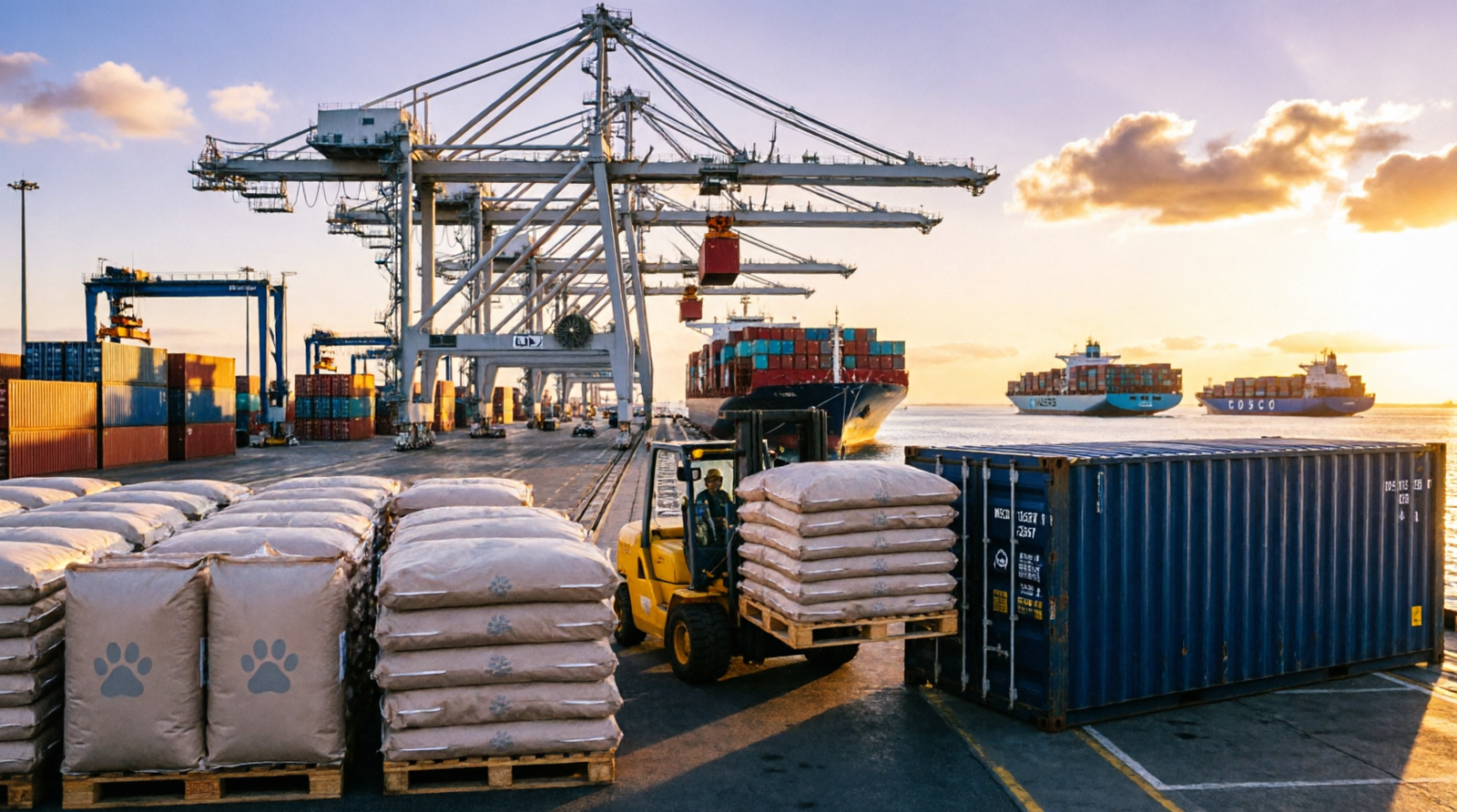
The most common mistake is over-specifying. Requesting a granule size or dust level far beyond what your target customer notices adds cost with no shelf benefit. The second is ignoring freight math: cat litter is dense and heavy, so ocean freight and destination handling can equal or exceed the ex-works price. A lighter tofu formula sometimes lands cheaper than a “cheaper” clay despite a higher factory price.
Questions That Get You a Real Number
- Is this quote ex-works, FOB, or CIF, and what is the validity window?
- What is the price break schedule at higher volumes?
- Are plate fees and packaging MOQs separate from the litter MOQ?
- What specs can be relaxed to reduce cost without hurting performance?
A supplier who can walk you through all four layers line by line is one worth building a long-term program with.