

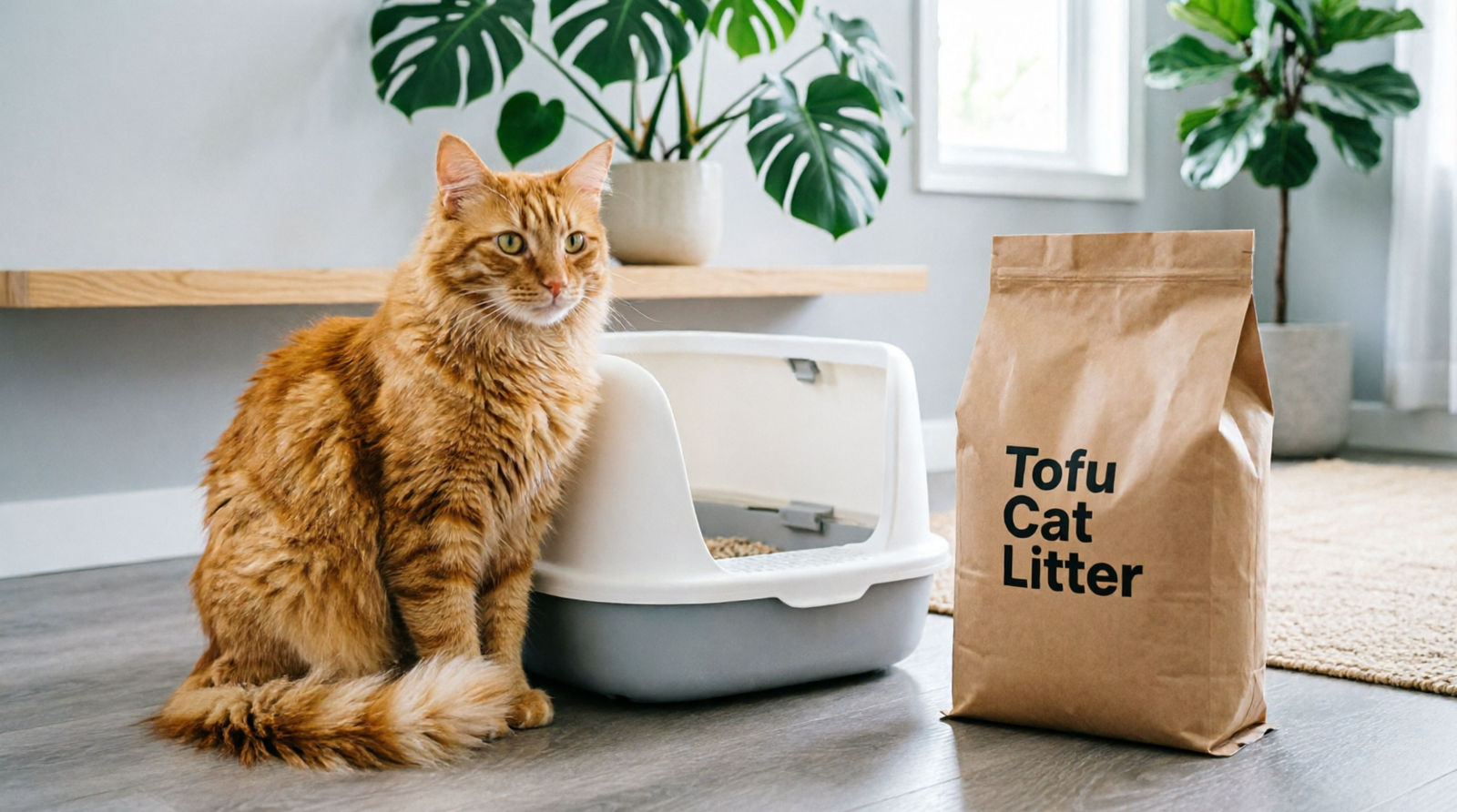

Tofu cat litter has moved from a niche product to one of the fastest-growing categories in the litter aisle, and pet brands sourcing private label are asking about it more than any other type. Here is what it actually is and how to judge quality.
What Tofu Litter Is Made Of
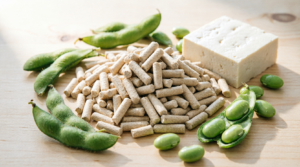
Despite the name, there is no edible tofu involved. Tofu litter is made from the soybean fiber and okara left over from soy food production, combined with a natural binder such as corn starch or guar gum and pressed into pellets or extruded into thin noodle-shaped granules. Because the raw material is a food-industry byproduct, it is renewable, biodegradable, and flushable in small amounts, which is the core selling point against clay.
How It Performs
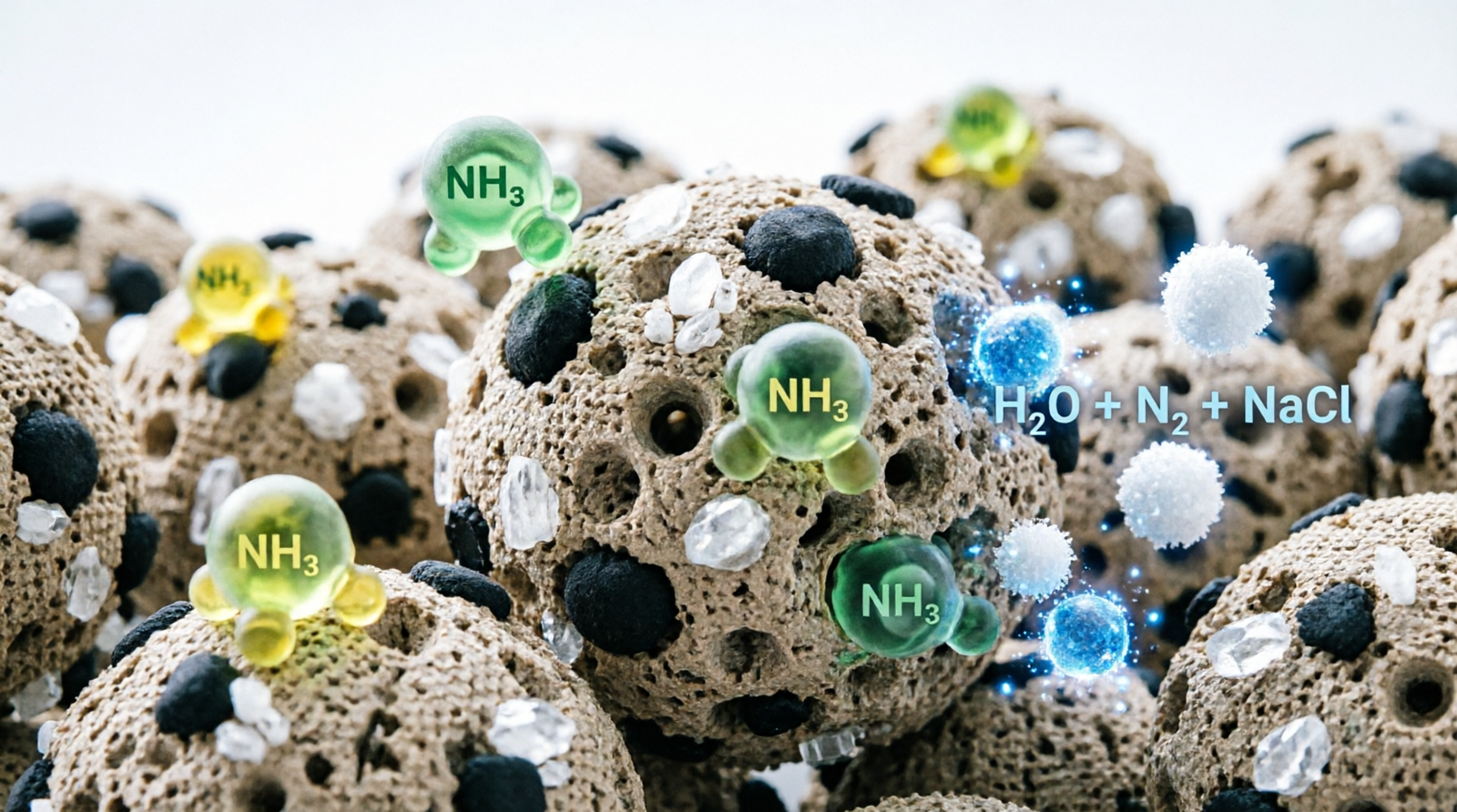
Good tofu litter clumps firmly within seconds through starch gelation, not sodium bentonite swelling. The clump can be scooped intact and the rest of the box stays dry. Quality tofu litter is low dust and low tracking, lighter to ship than clay, and controls ammonia odor through absorption plus optional additives. The trade-offs: it is more expensive per bag, can soften in very humid climates, and lower-grade versions break apart when wet or develop a beany smell.
What a Buyer Should Check
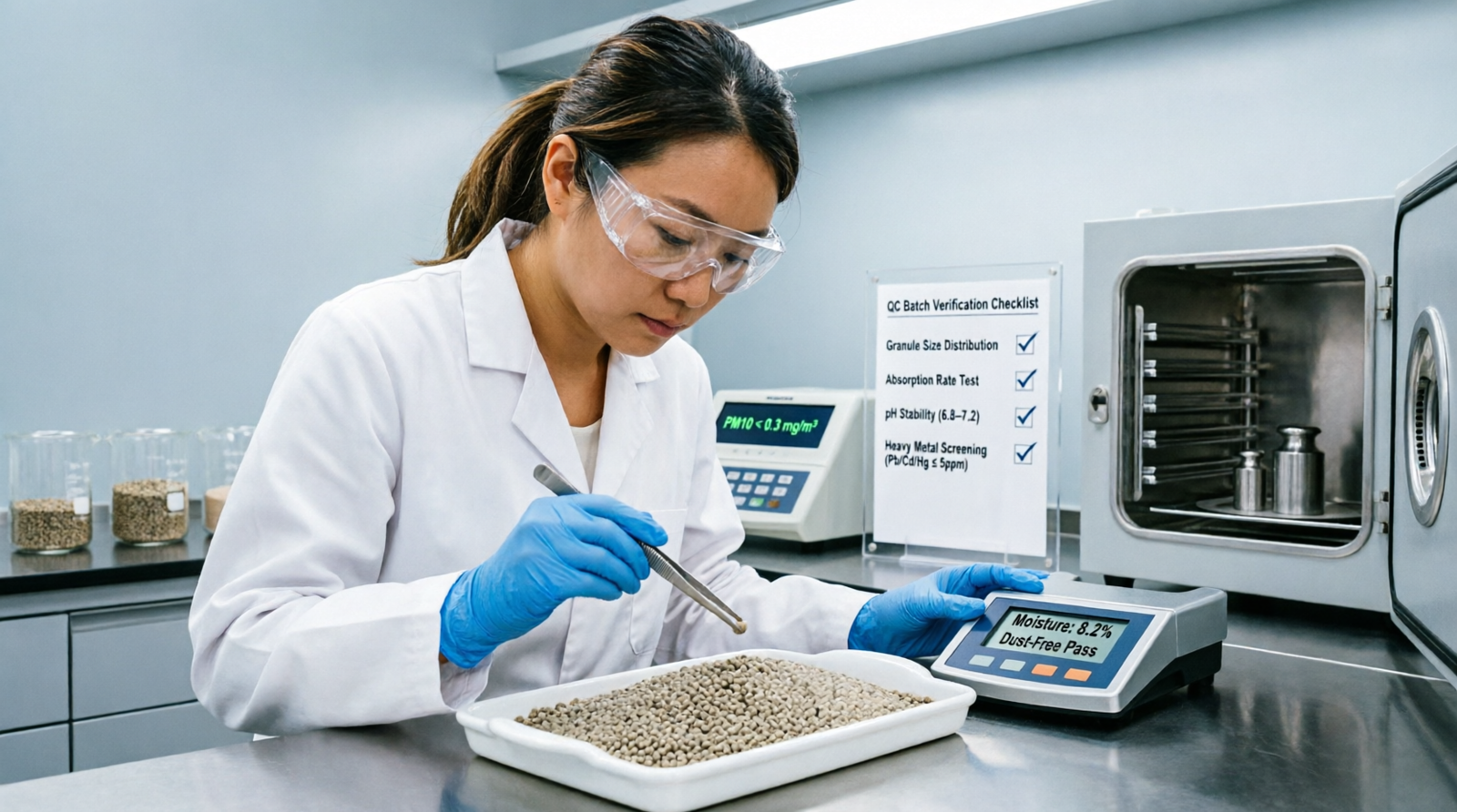
- Clumping strength after 24 hours — a weak clump means too much filler and not enough active soy fiber
- Dedusting and pellet consistency — uneven granules signal poor extrusion control
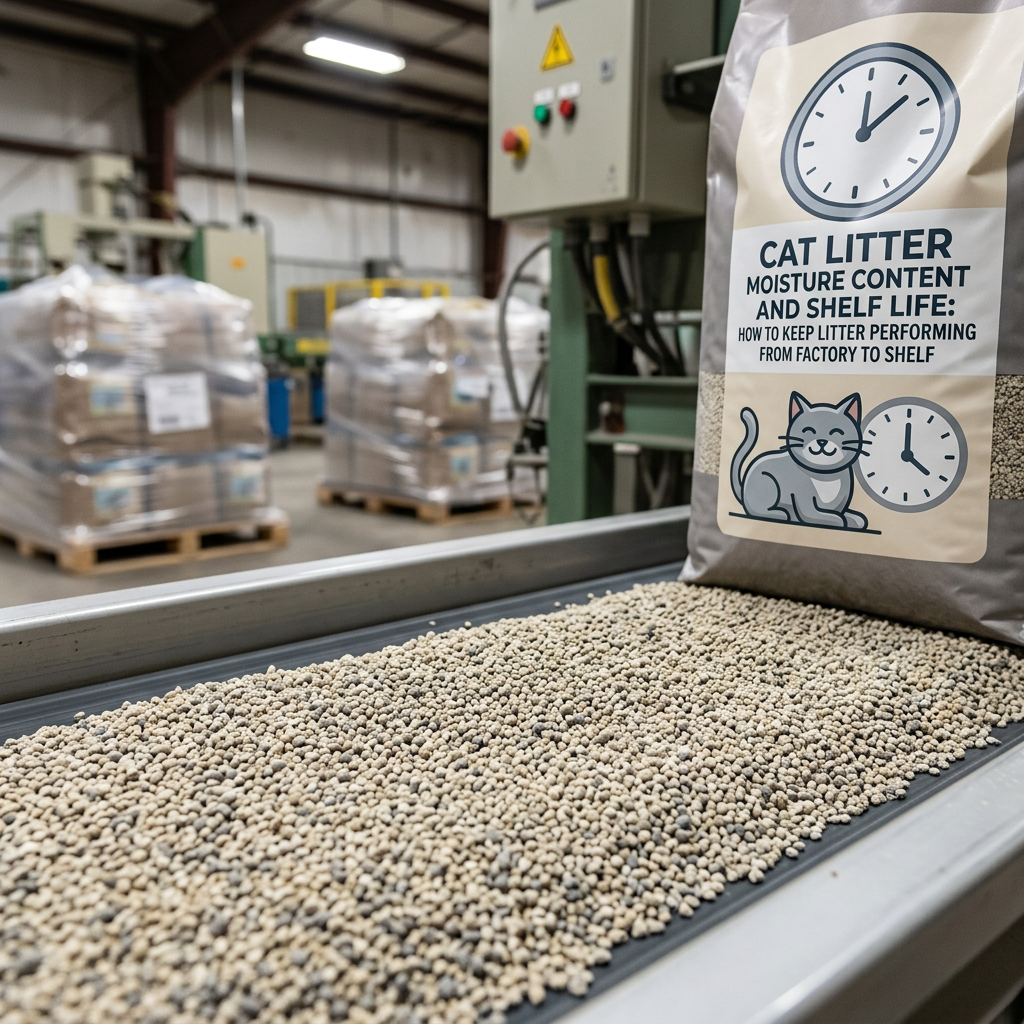
- Moisture content and packaging barrier — tofu litter absorbs ambient humidity in storage, so the bag’s moisture barrier matters
- Additive transparency — ask exactly what binder, deodorizer, and any fragrance is used, and request the spec sheet
- Flush claims — only support “flushable in small amounts” if your test drainage confirms it, and never for septic systems
Why It Matters for Private Label
Tofu litter lets a brand tell a sustainability story that clay cannot match, and margins are healthy at retail. But the quality gap between factories is wide. Order samples from at least two suppliers, run the same clump and dust tests on both, and lock the winning formula as your standard spec before committing to a first production run.