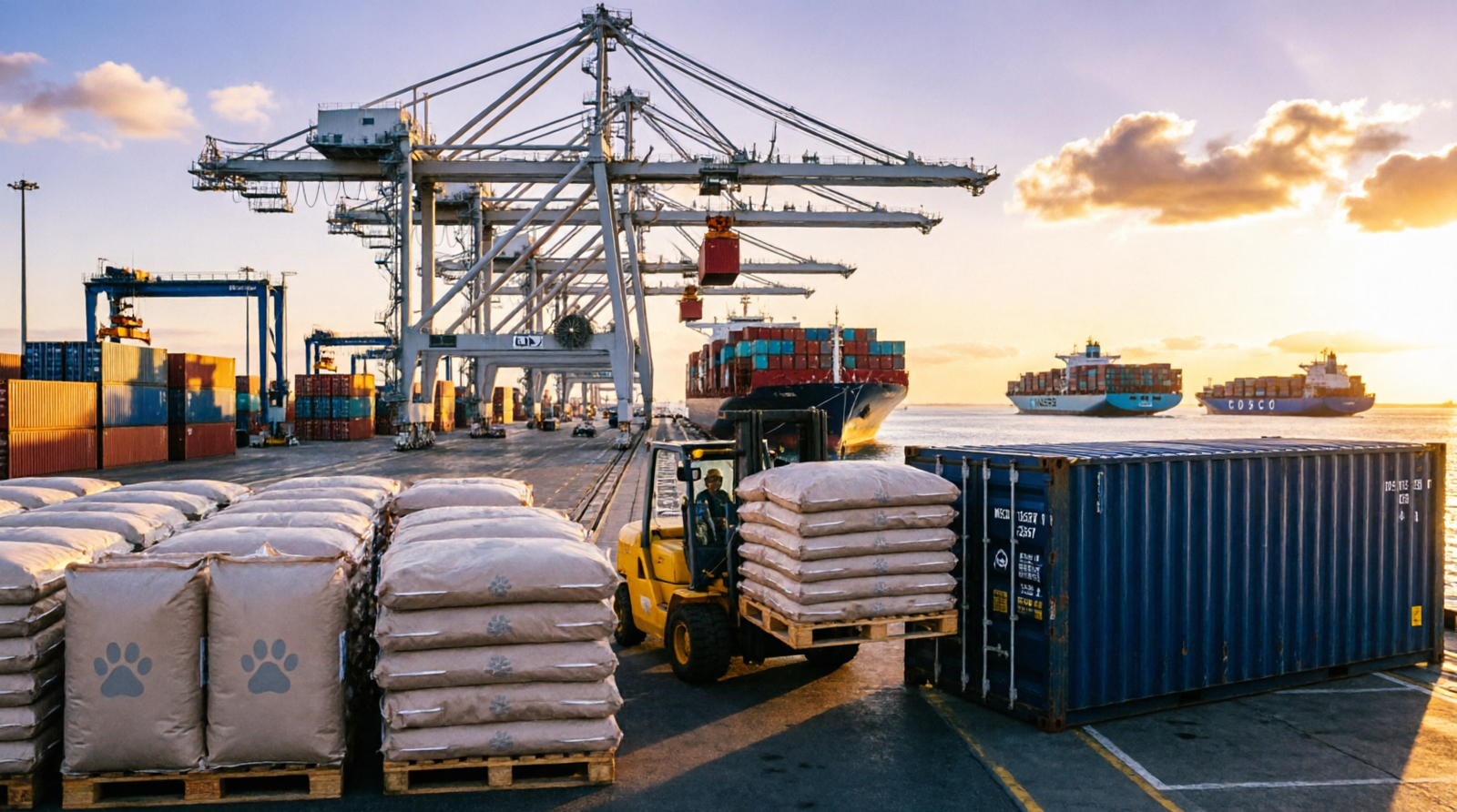

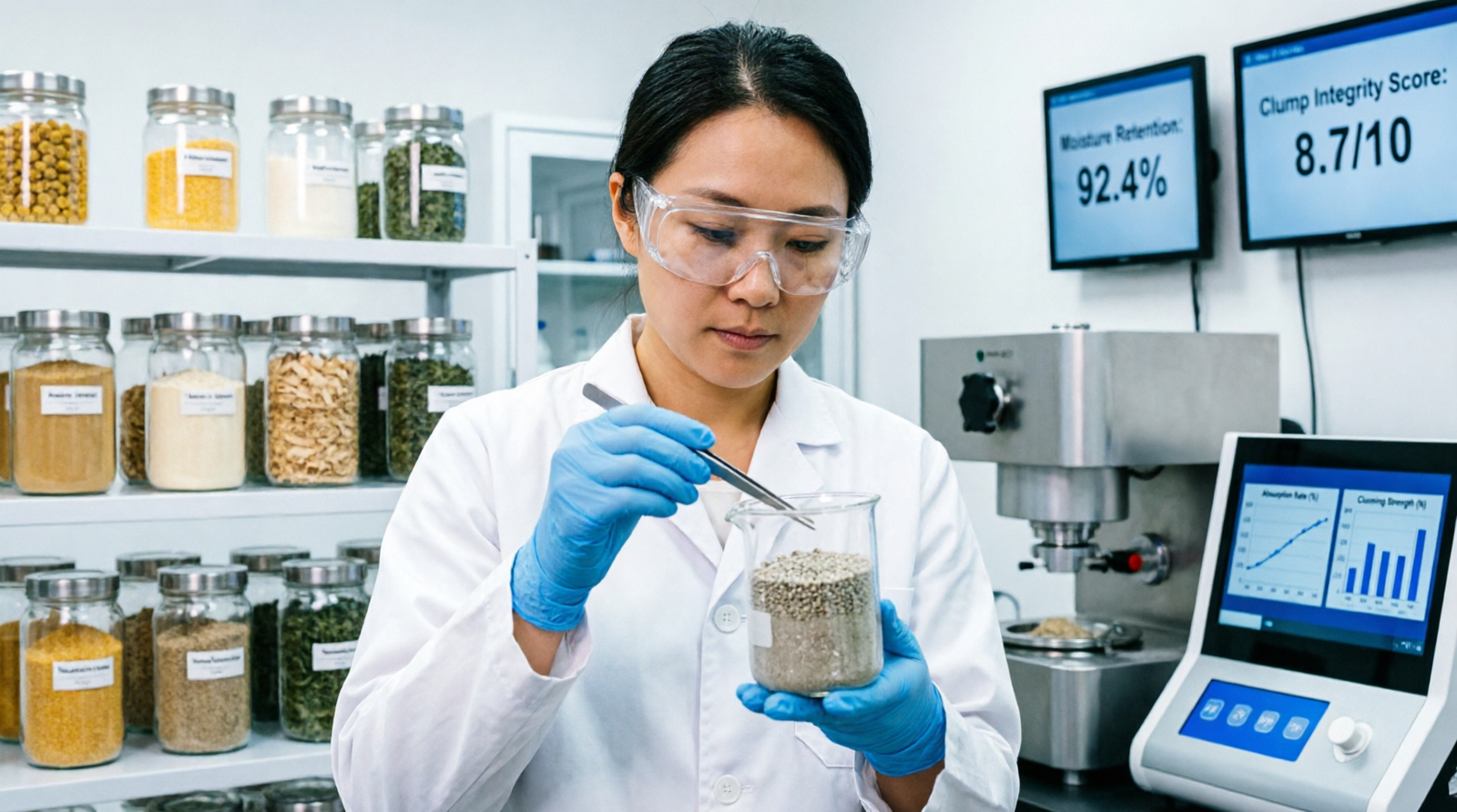

Most private-label conversations start with a brand asking for “a good clumping bentonite litter” or “a low-dust silica option.” But turning that request into a finished, shippable product is a formulation process most brand owners never see. At **Acmic Tech Solutions**, that process is where a generic material becomes a brand’s actual product — and it’s worth pulling back the curtain on how it works.
## Starting From the Brief, Not the Catalog
Every custom project begins with a **brand brief**: target retail price, desired clumping performance, dust tolerance, scent preferences (or none), and packaging format. Rather than pushing a brand toward whatever’s easiest to produce, our formulation team works backward from that brief to figure out which base material — **bentonite clay**, **silica gel**, or **tofu-based plant fiber** — and which processing adjustments actually deliver it. A premium-positioned brand and a value-tier brand asking for the “same” bentonite litter often end up with meaningfully different formulations underneath.
## Iterating on Sample Batches
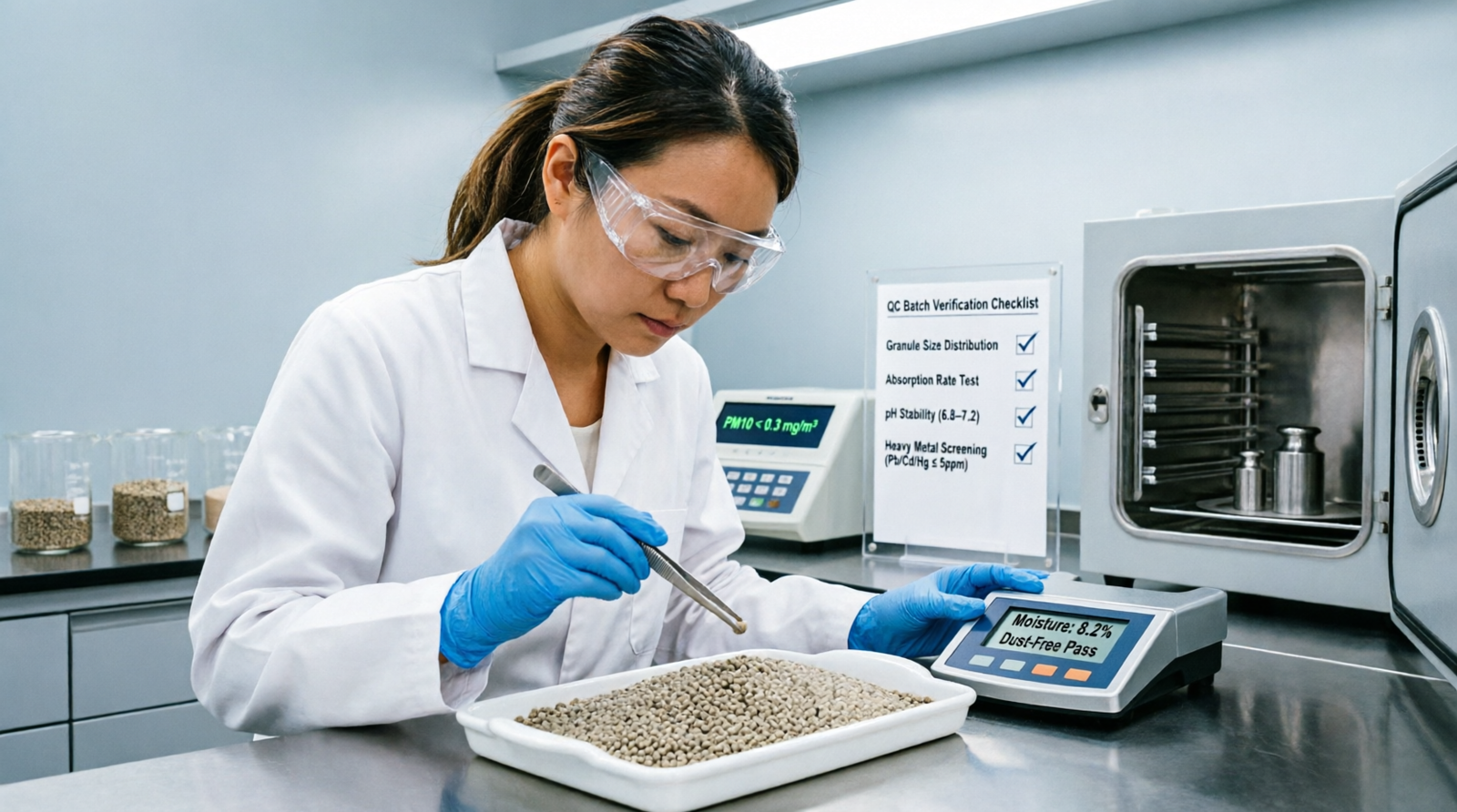
Formulation isn’t a one-shot process. We run **small-batch trial production** to test granule size, clumping strength, and dust levels against the brief, then adjust — tightening particle distribution, adjusting drying time, or changing binder ratios — before scaling to a full production run. Brands typically review two to three sample rounds before signing off, and that iteration happens at small volume specifically so mistakes get caught before a full **MOQ** run is committed.
## Scent, Additives, and Differentiation
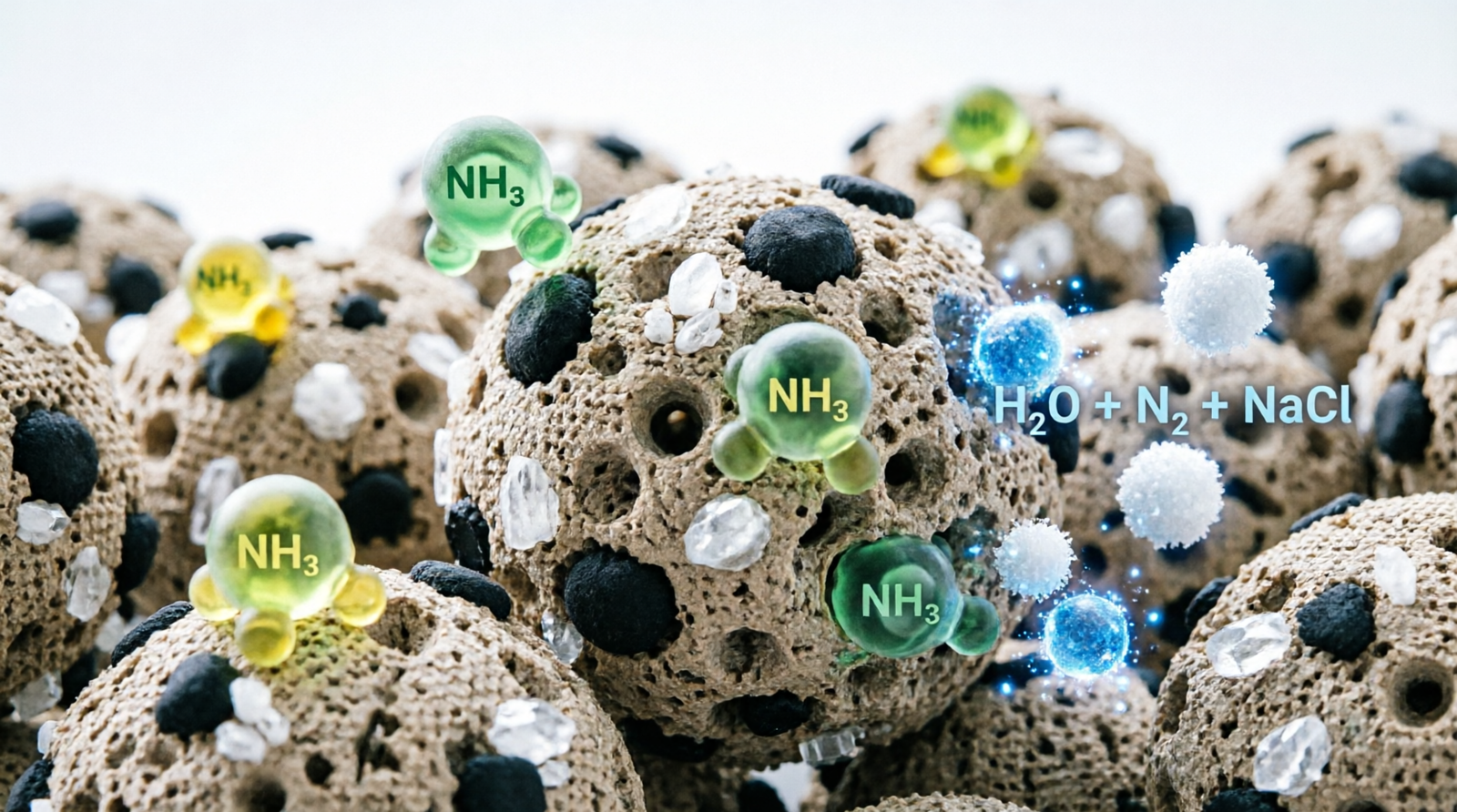
This is also where **product differentiation** gets built in — natural odor-control additives, baking soda blends, or fragrance-free formulations for sensitive-cat households. These aren’t cosmetic add-ons; they change how the finished product performs and how it’s positioned against competitors on a retail shelf, so they get tested with the same rigor as the base clumping formula.
## Locking the Formula for Reorders
Once a formulation is approved, it’s documented and locked as that brand’s **standard spec** — the reference point every future production run is measured against. This is what lets a brand reorder six months later and get a product that performs identically to the sample they originally approved, regardless of which line or shift produced it.
## Why This Matters for Brand Partners
Formulation development is the step that turns a manufacturer from a **generic supplier** into a true **development partner**. A brand that skips this process ends up with whatever a factory already makes; a brand that goes through it ends up with a product actually built around its customers and its price point.
## Suggested images
– Close-up of raw bentonite/silica/tofu materials side by side on a lab bench
– Formulation lab technician testing a sample batch (granule sizing or clumping test)
– Small-batch trial run next to full-scale production line for visual contrast
– Sample packaging mockups showing 2-3 formulation iterations
– Infographic-style graphic showing the brief → trial → approval → locked-spec pipeline
## Tags
custom cat litter formulation, private label cat litter development, OEM cat litter manufacturer, ODM pet product development, bentonite clay litter formula, silica gel cat litter customization, tofu cat litter manufacturer, cat litter R&D process, low dust cat litter formulation, odor control cat litter additives, cat litter sample approval process, private label pet brand development, cat litter production specification, custom pet product manufacturer China, cat litter formulation consistency