



Choosing a manufacturing partner is only half the sourcing job — the other half happens when the **sample box** arrives. For pet brands entering **private label cat litter**, the sample evaluation stage is where good partnerships are confirmed and bad ones get caught before money and time are committed to a **bulk production run**. Too many brands treat samples as a formality; in reality, this is the single highest-leverage checkpoint in the entire sourcing process.
## Start With a Written Evaluation Framework
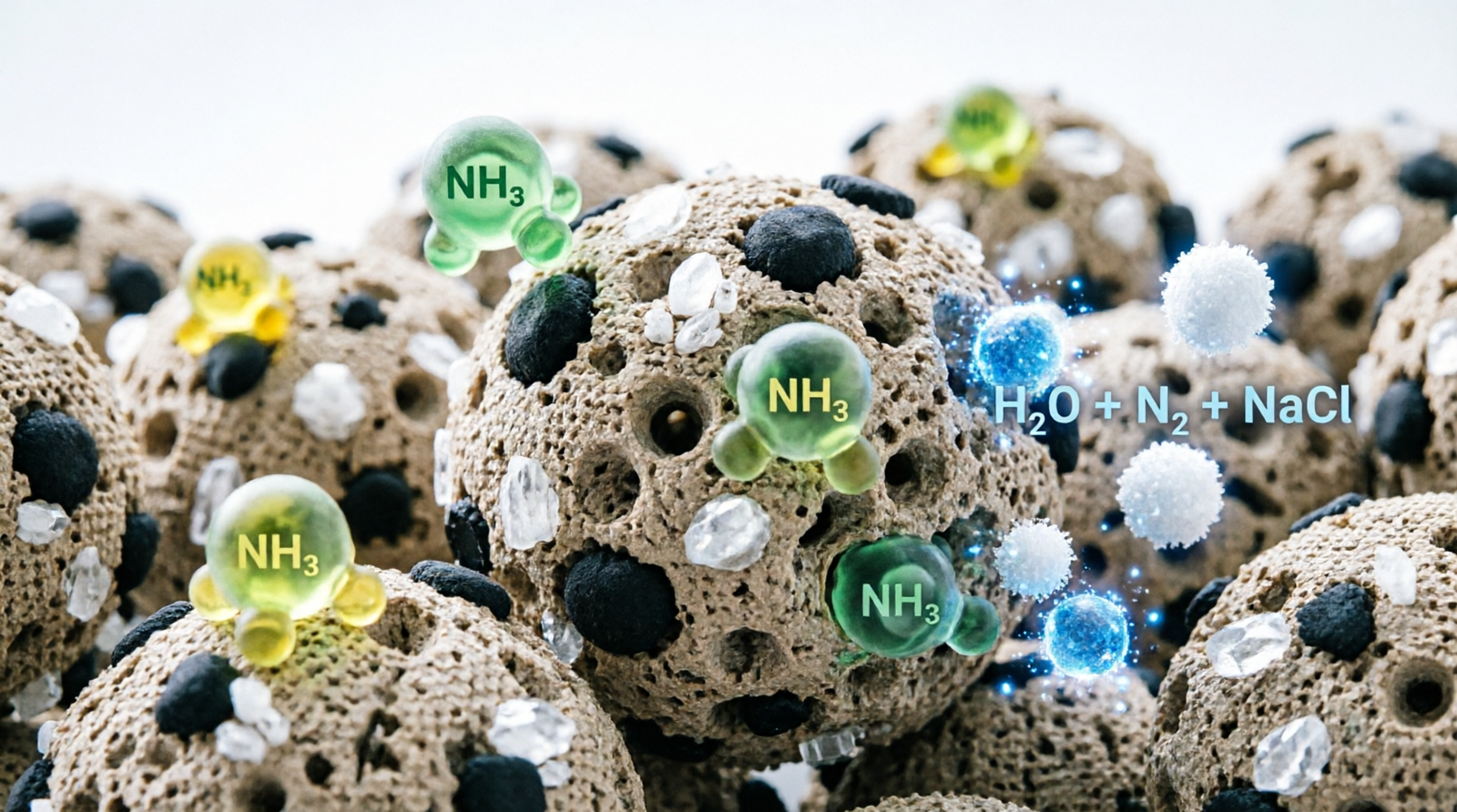
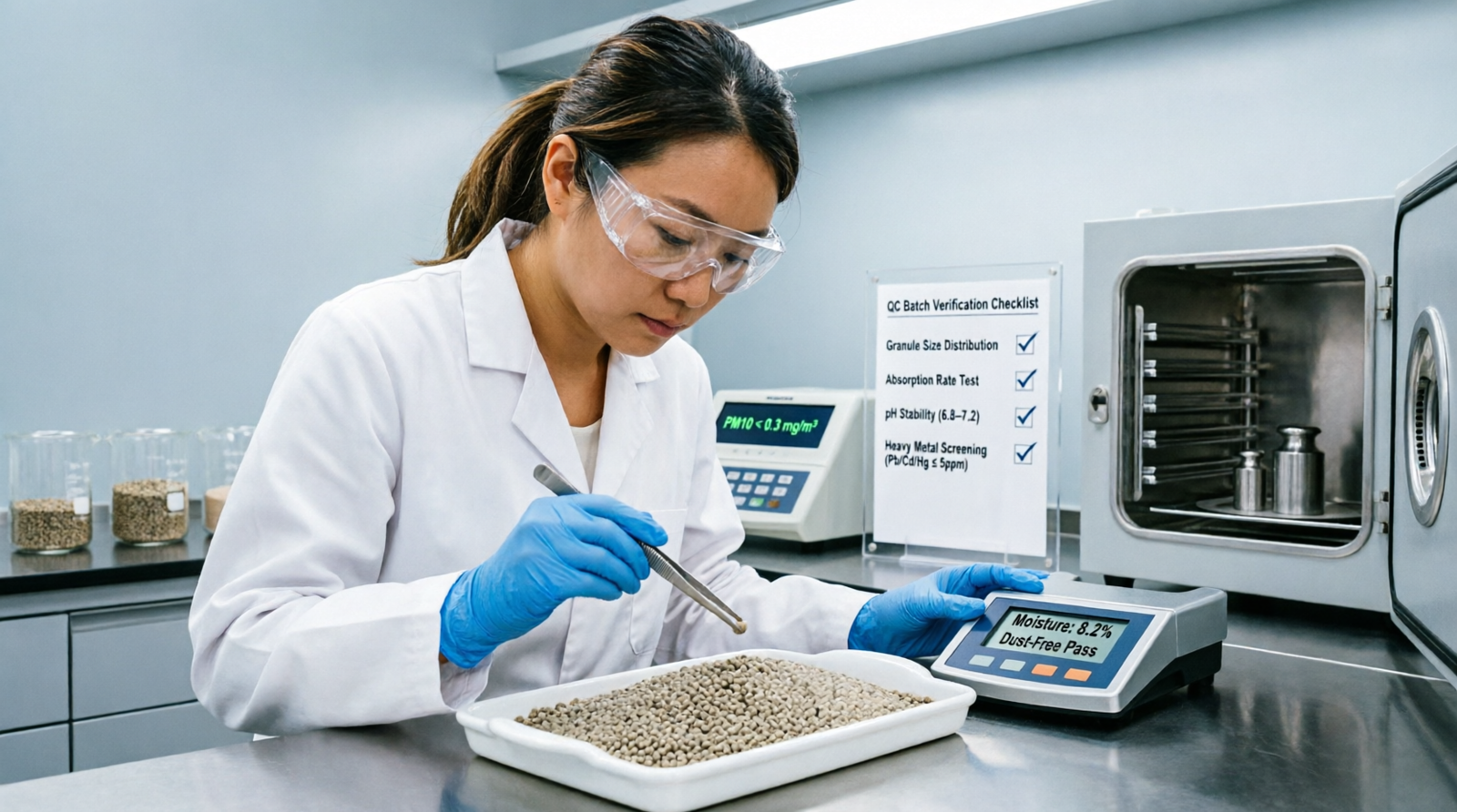
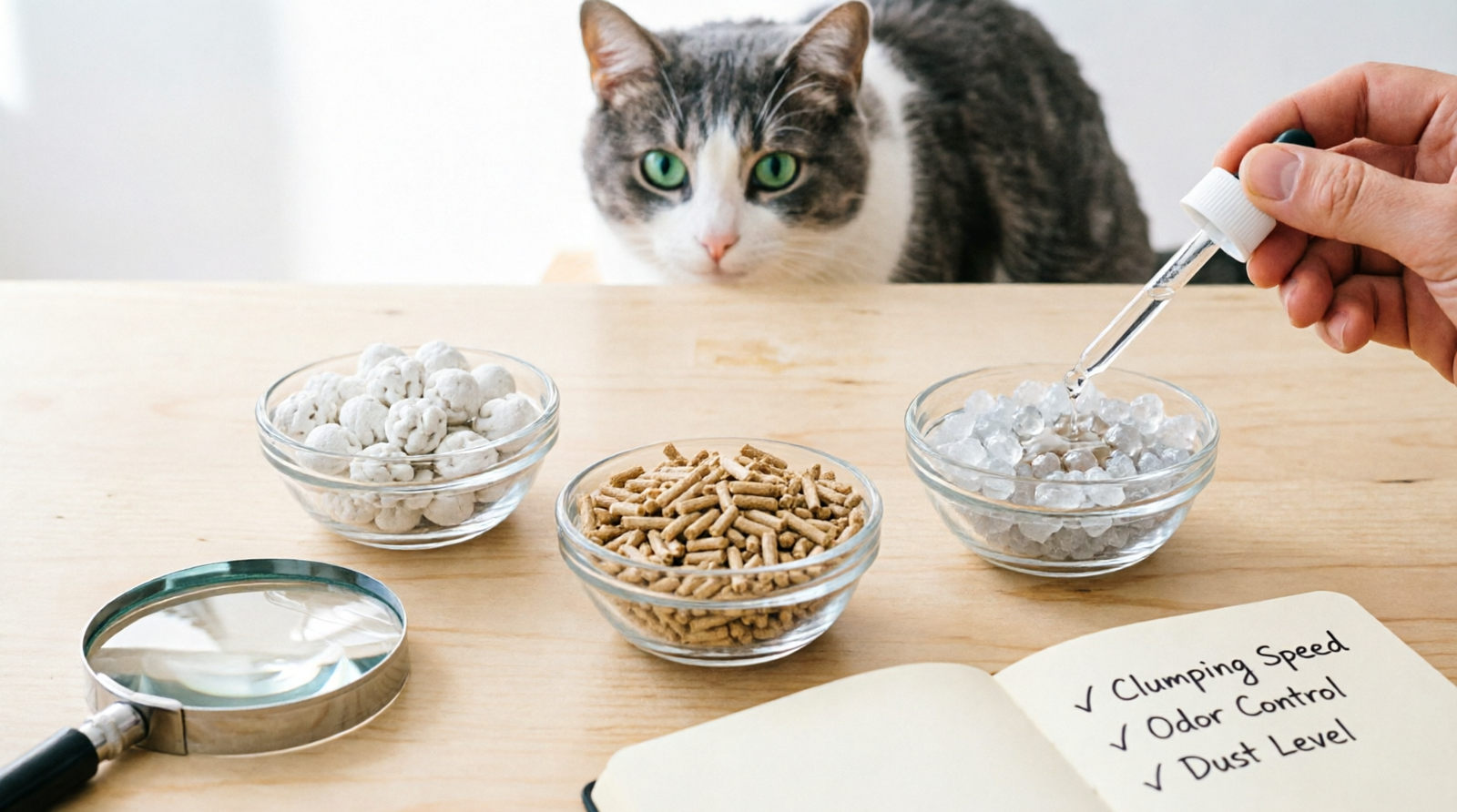
Before samples even ship, define what “good” looks like on paper. A simple **scorecard** covering **dust levels**, **clumping strength**, **odor control**, **granule consistency**, and **absorption rate** turns a subjective gut reaction into a repeatable, comparable process — especially important if you’re evaluating multiple factories side by side.
## Test Under Real Conditions, Not Ideal Ones
A sample that performs well in a clean demo setting can behave very differently in a multi-cat household or a humid climate. Run the litter through **multi-day usage cycles**, test it with more than one cat if possible, and specifically check how it holds up after **48-72 hours** — this is where **odor breakthrough** and clumping breakdown usually reveal themselves. If your target market skews toward multi-cat homes, weight your testing accordingly.
## Check Batch-to-Batch Consistency
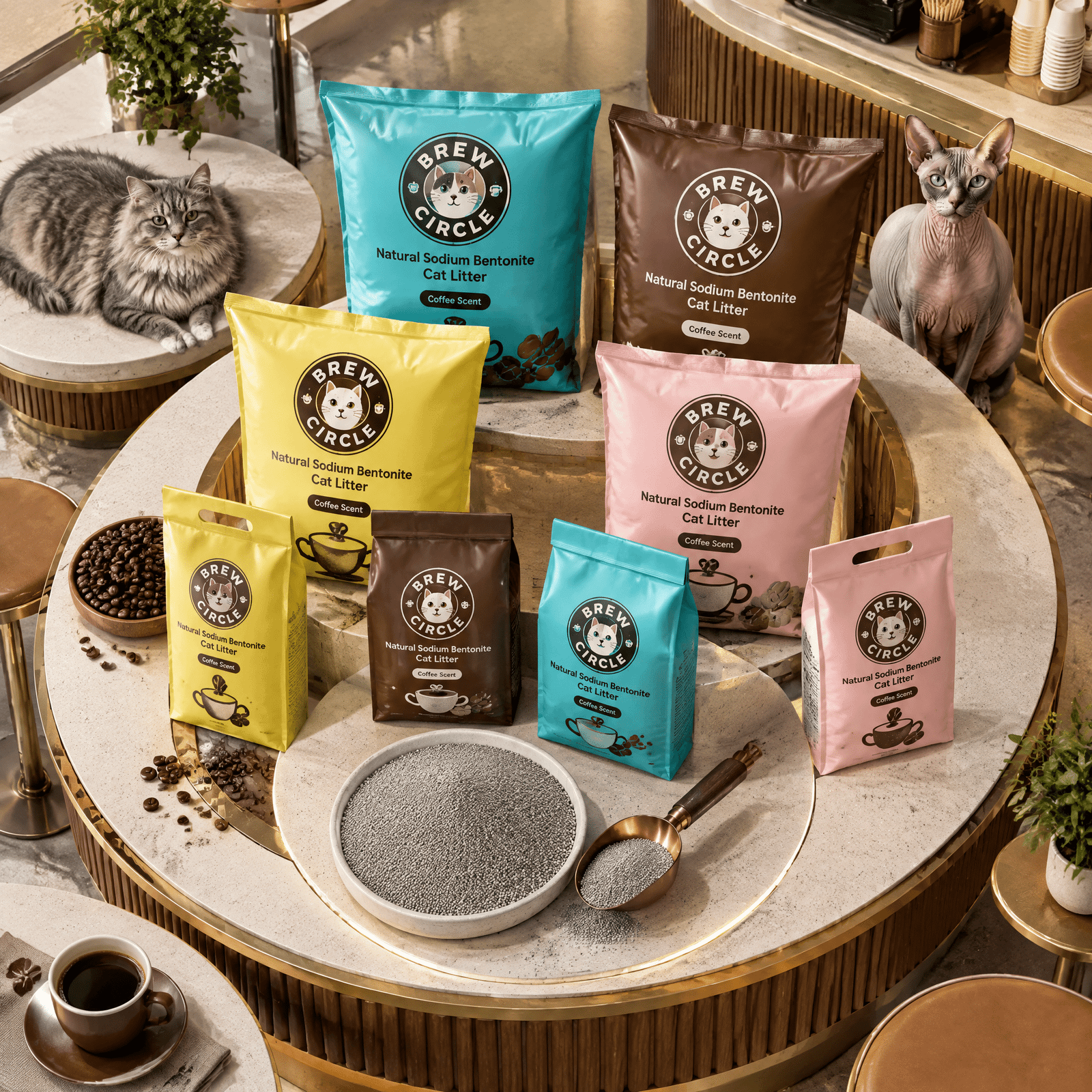
One strong sample doesn’t guarantee **manufacturing consistency**. Ask your OEM/ODM partner for **two or three samples from different production batches**, not just one hand-picked box. Variation between batches — in granule size, dust, or scent strength — is an early warning sign of loose **quality control** that will surface later at scale, when it’s far more expensive to fix.
## Verify Packaging and Labeling Claims Match Reality
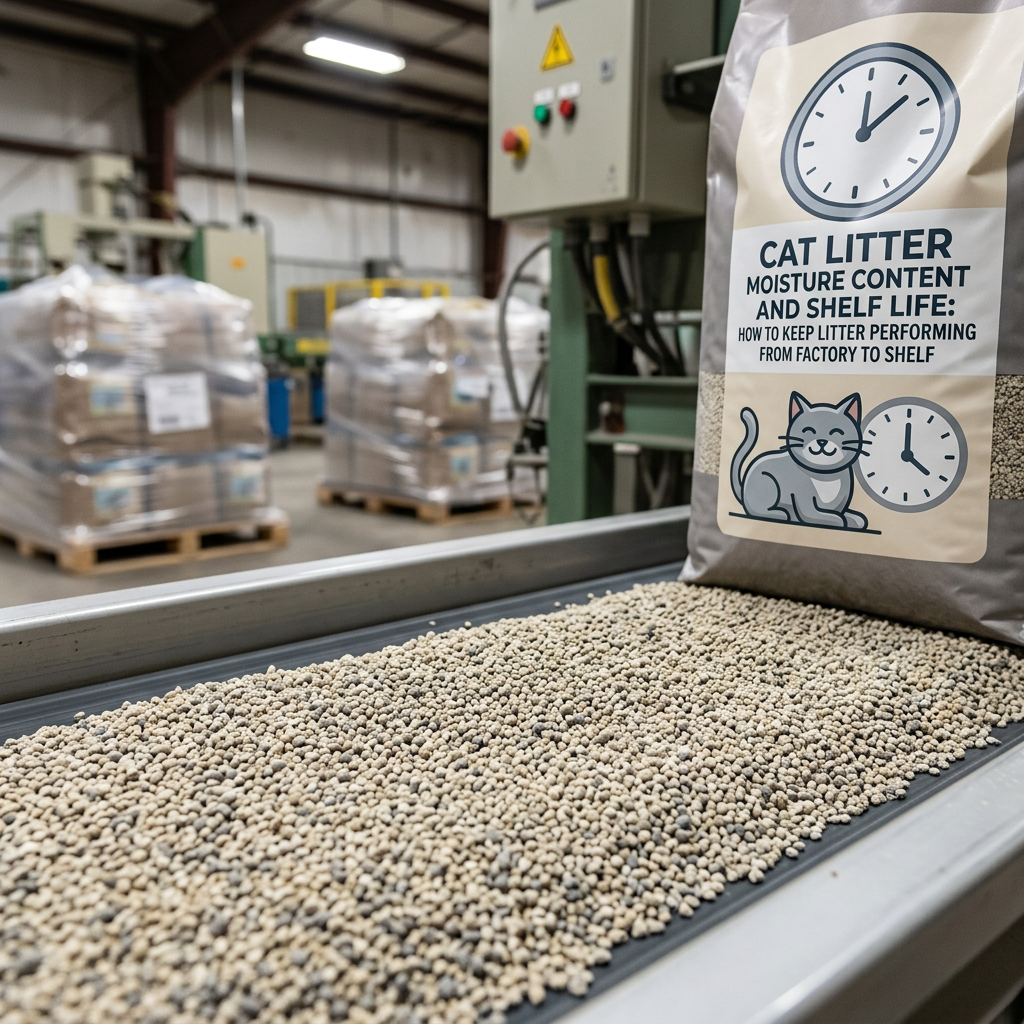
If the sample includes packaging or private-label mockups, cross-check every performance claim on the bag — “low dust,” “7-day odor control,” “99% dust-free” — against your own test results. A manufacturer willing to overstate a sample’s performance is a signal worth taking seriously before a full production commitment.
## Don’t Skip the Follow-Up Conversation
After testing, bring specific, data-backed feedback back to the manufacturer rather than a vague “we like it” or “we don’t.” A responsive partner will explain formulation choices and adjust where reasonable; a defensive or vague response is itself useful diagnostic information about what the relationship will look like post-launch.
Sample evaluation isn’t a rubber stamp — it’s a **due diligence step** that protects your brand’s reputation before litter with your name on it reaches store shelves or a customer’s home.
## Suggested images
– Side-by-side photo of 3 litter sample bags from different batches
– Close-up shot of a scorecard/checklist with litter samples on a table
– Before/after photo showing clumping test results
– Macro shot of granule consistency comparison under a loupe or magnifier
– Packaging mockup next to raw litter sample for label-claim verification
## Tags
private label cat litter, cat litter sample evaluation, OEM cat litter manufacturer, ODM pet product sourcing, cat litter quality control, litter batch consistency, multi-cat litter testing, dust-free cat litter testing, cat litter clumping test, odor control testing, pet brand sourcing guide, cat litter manufacturer vetting, private label packaging compliance, cat litter production standards, sourcing cat litter supplier