



Cat litter has long been judged on **clumping strength** and **odor control** — but a third factor is now shaping purchasing decisions across major markets: **sustainability**. As pet ownership grows and consumers scrutinize the environmental footprint of everyday products, litter category demand is shifting in ways that matter for any brand sourcing product today.
## From Bentonite Dominance to Material Diversification
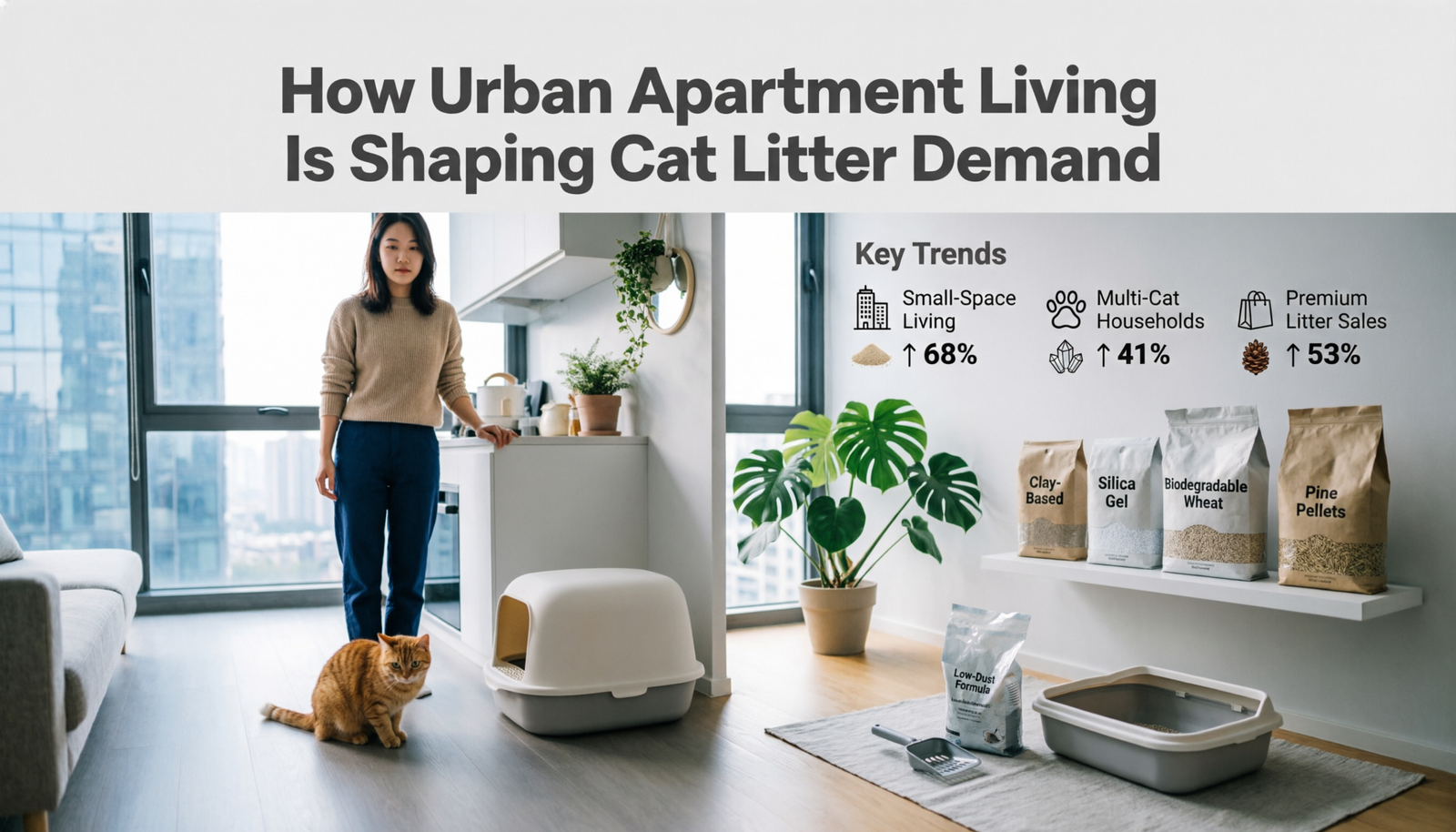
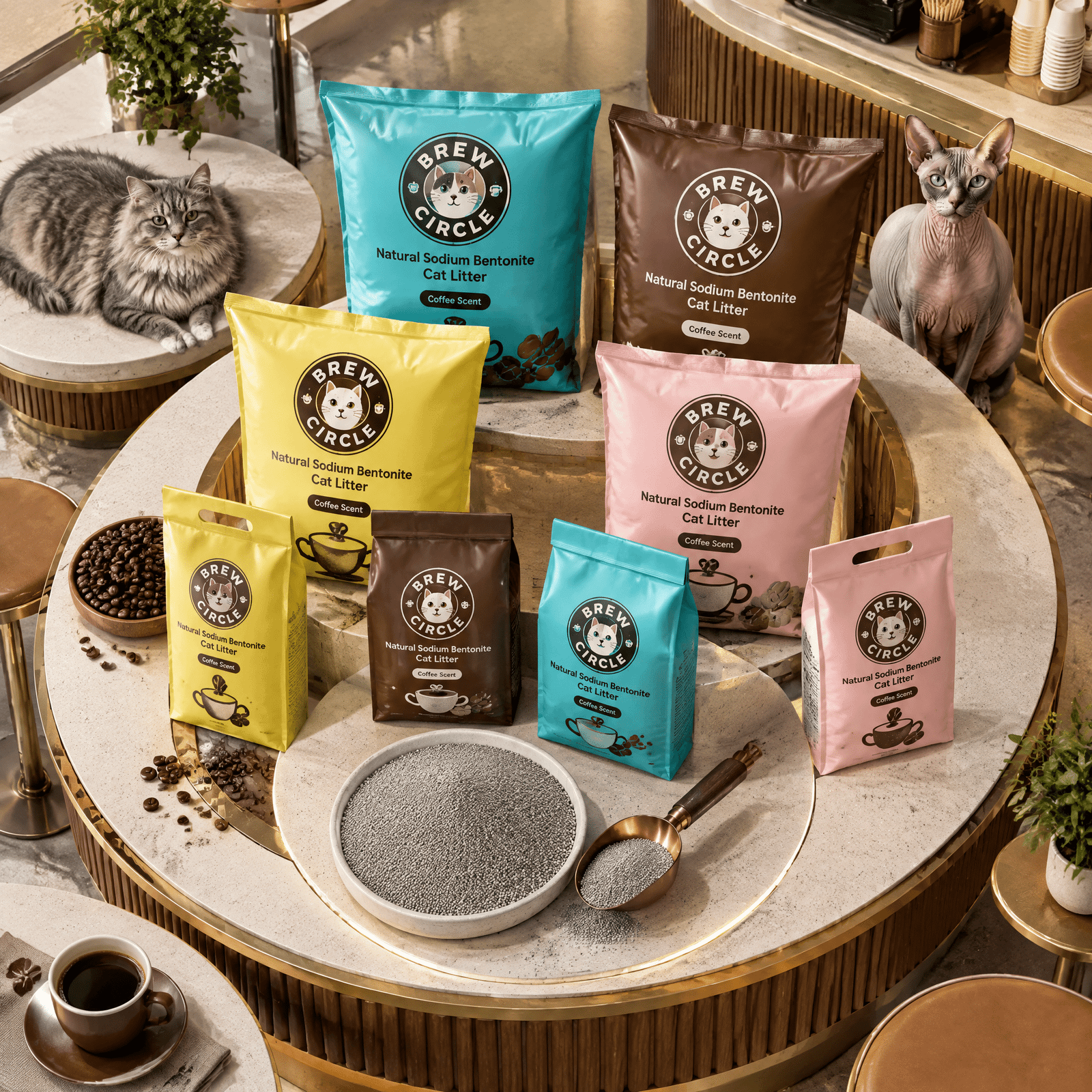
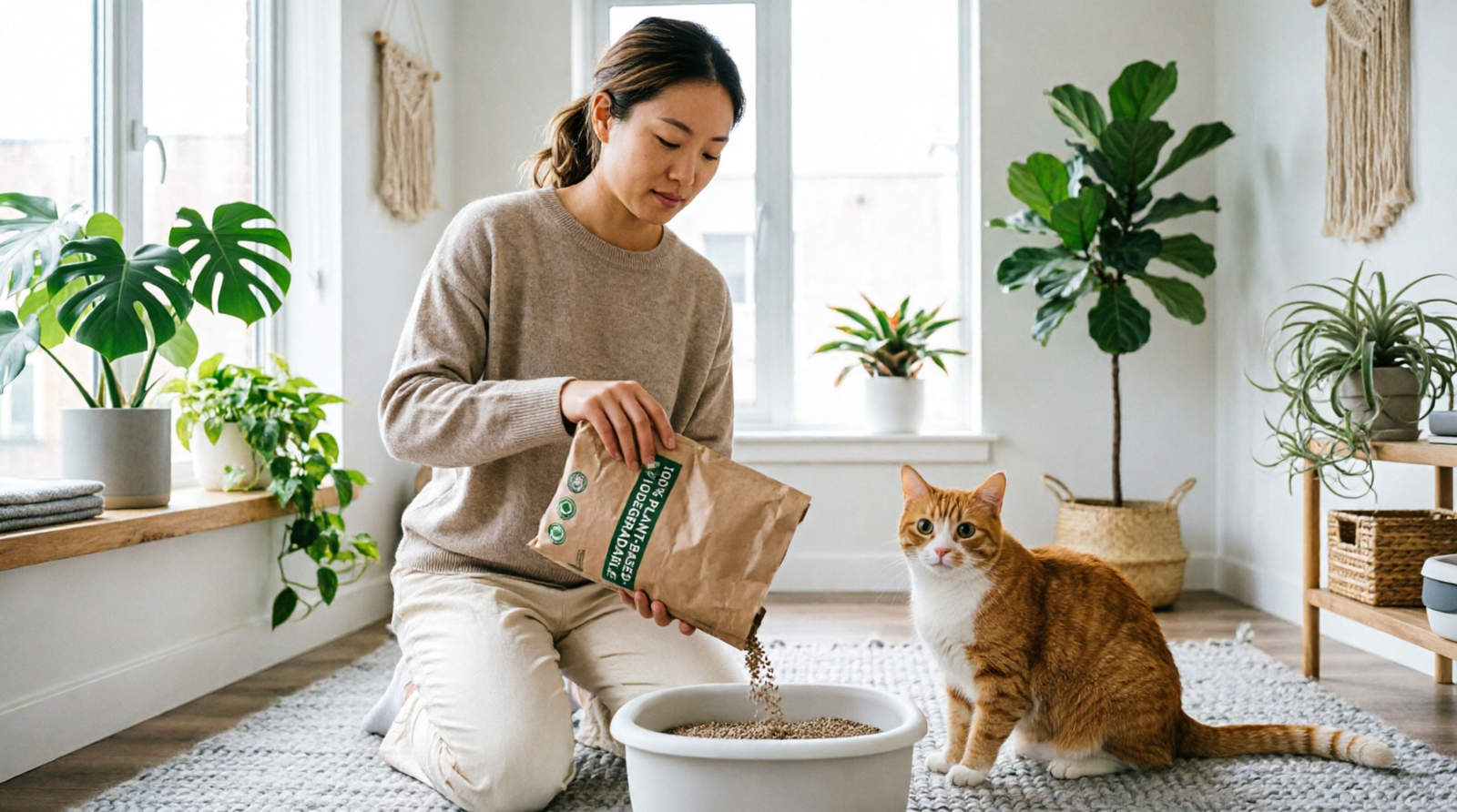
**Bentonite clay litter** remains the global volume leader because of its low cost and strong clumping performance, but it faces growing scrutiny over **strip-mining impact** and **non-biodegradability**. In response, **plant-based alternatives** — tofu, corn, wheat, and paper-based litters — have moved from niche to mainstream in North America, Europe, and increasingly urban Asian markets. These materials market themselves on **flushability, compostability, and lower dust**, appealing to environmentally conscious buyers willing to pay a premium.
## Packaging Is Now Part of the Sustainability Conversation
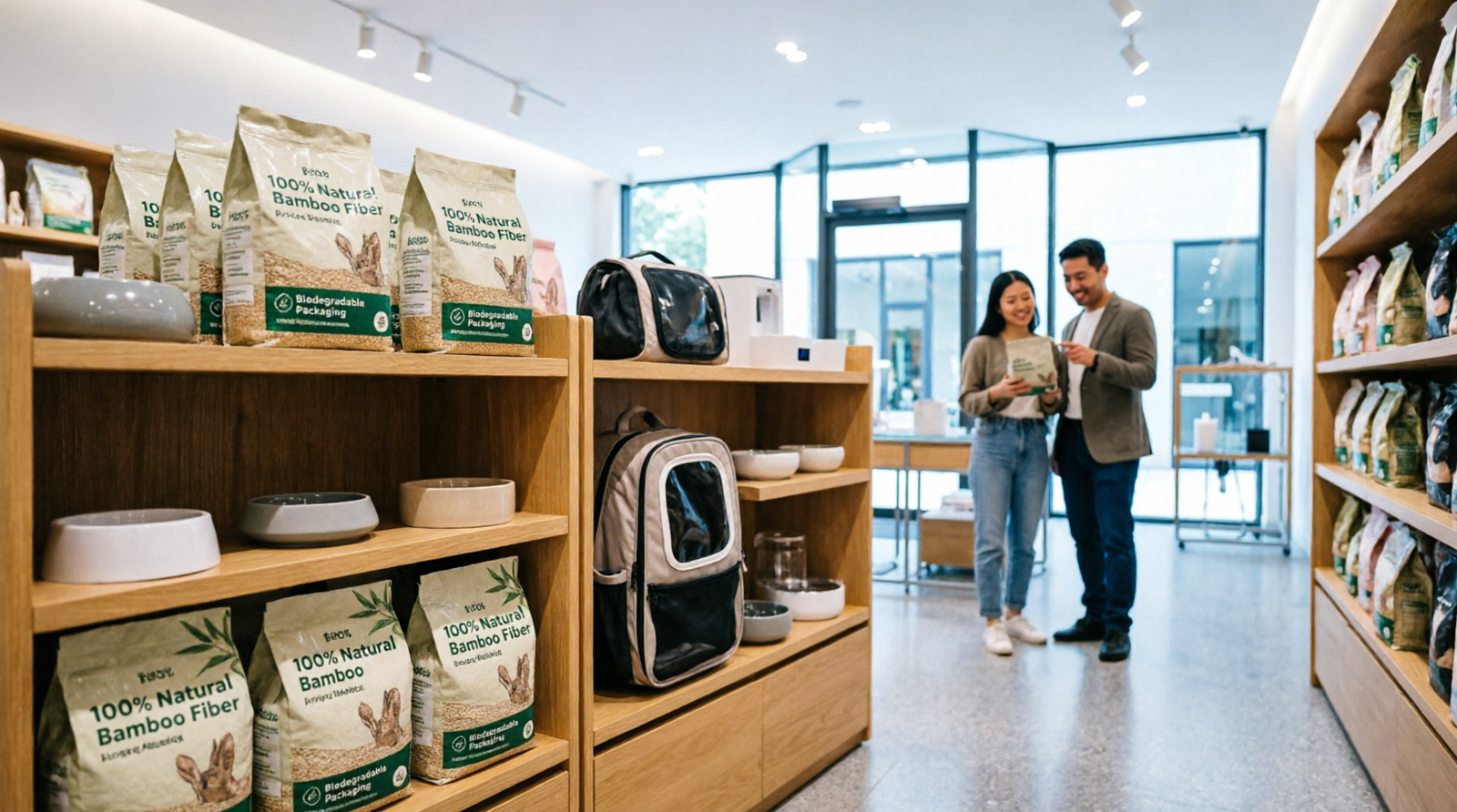
It’s not just the litter itself. Retailers and consumers are pushing back on **excess plastic packaging**, driving demand for **recyclable film, reduced-plastic bags, and right-sized packaging** that cuts shipping volume and waste. Brands that ignore packaging sustainability risk losing shelf space in markets where retailers now screen suppliers on environmental criteria before listing new SKUs.
## Regulatory and Retailer Pressure Is Accelerating the Shift
Beyond consumer preference, **regulatory pressure** in the EU and parts of the US around packaging waste and single-use plastics is pushing manufacturers to adapt formulations and materials ahead of mandates, not after them. Meanwhile, major retailers are increasingly asking suppliers for **sustainability documentation** as a condition of doing business — turning what was once a marketing angle into a **procurement requirement**.
## What This Means for Sourcing Decisions
For brands evaluating manufacturing partners, this trend raises a practical question: can your supplier actually produce **plant-based formulations at scale**, and can they support **sustainable packaging options** without blowing up MOQs or lead times? Manufacturers that have already invested in diversified material lines and lower-impact packaging are better positioned to help brands respond to this shift — rather than scrambling to retrofit sustainability into an existing bentonite-only lineup.
The takeaway for anyone building or growing a cat litter brand: sustainability is no longer a differentiator reserved for premium niche players. It’s becoming a **baseline expectation**, and sourcing decisions made today should account for where the category is heading, not just where it stands now.
—
## Suggested images
– Side-by-side comparison shot: bentonite clay vs. plant-based (tofu/corn) litter granules
– Recyclable/reduced-plastic packaging mockup next to traditional plastic bag
– Infographic-style stat callout on material diversification trend
– Production line shot showing plant-based litter processing
– Sustainability certification or eco-label badge graphic
## Tags
Sustainable Cat Litter, Eco-Friendly Cat Litter Market, Plant-Based Cat Litter Trends, Biodegradable Cat Litter, Tofu Cat Litter Manufacturer, Cat Litter Packaging Sustainability, Pet Industry Sustainability Trends, Recyclable Pet Product Packaging, Cat Litter Market Growth, Sustainable Pet Brand Sourcing, Bentonite Alternative Cat Litter, Compostable Cat Litter, Global Cat Litter Market Trends, Eco Packaging Pet Products, Sustainable OEM Cat Litter Supplier