



Most cat litter guides compare bentonite, silica gel and tofu litter as separate choices. But a growing number of brands now offer a fourth option: mixed cat litter, usually a blend of tofu and bentonite. Here’s how blended litter works, why owners choose it, and what pet brands should check before adding one to their range.
What Is Mixed Cat Litter?
Mixed litter combines two base materials in one bag so each covers the other’s weak points. The most common pairing is tofu litter (made from soybean fiber) with bentonite clay. Some blends also add activated carbon for extra odor control. The ratio between the two materials is what sets the litter’s weight, clumping speed and dust level.
Why Blend Tofu and Bentonite?
Each material has clear strengths on its own:
- Bentonite clumps fast and firmly, absorbs well and feels familiar to most cats.
- Tofu litter is lightweight, low in dust and often flushable in small amounts.
A good blend aims for the fast, hard clumping of bentonite with less weight and dust than pure clay. For many owners, it’s a middle ground between price, performance and convenience.
Pros and Cons to Consider
Advantages include lighter bags than pure bentonite, lower dust than many clay litters, and strong clumping that makes scooping easy.
Trade-offs matter too. Blends containing clay are generally not flushable, so labels must be clear about disposal. Because two materials are combined, batch consistency depends on accurate mixing. If the ratio drifts, clumping and dust can change from one bag to the next.
Quality Factors Brands Should Check
When sampling a mixed litter, look closely at:
- Blend ratio and how the factory controls it during production
- Clump strength and whether clumps break when scooped
- Dust level after pouring and shaking the bag
- Granule size match, since mismatched sizes can separate in transit
- Moisture content, which affects shelf life and caking
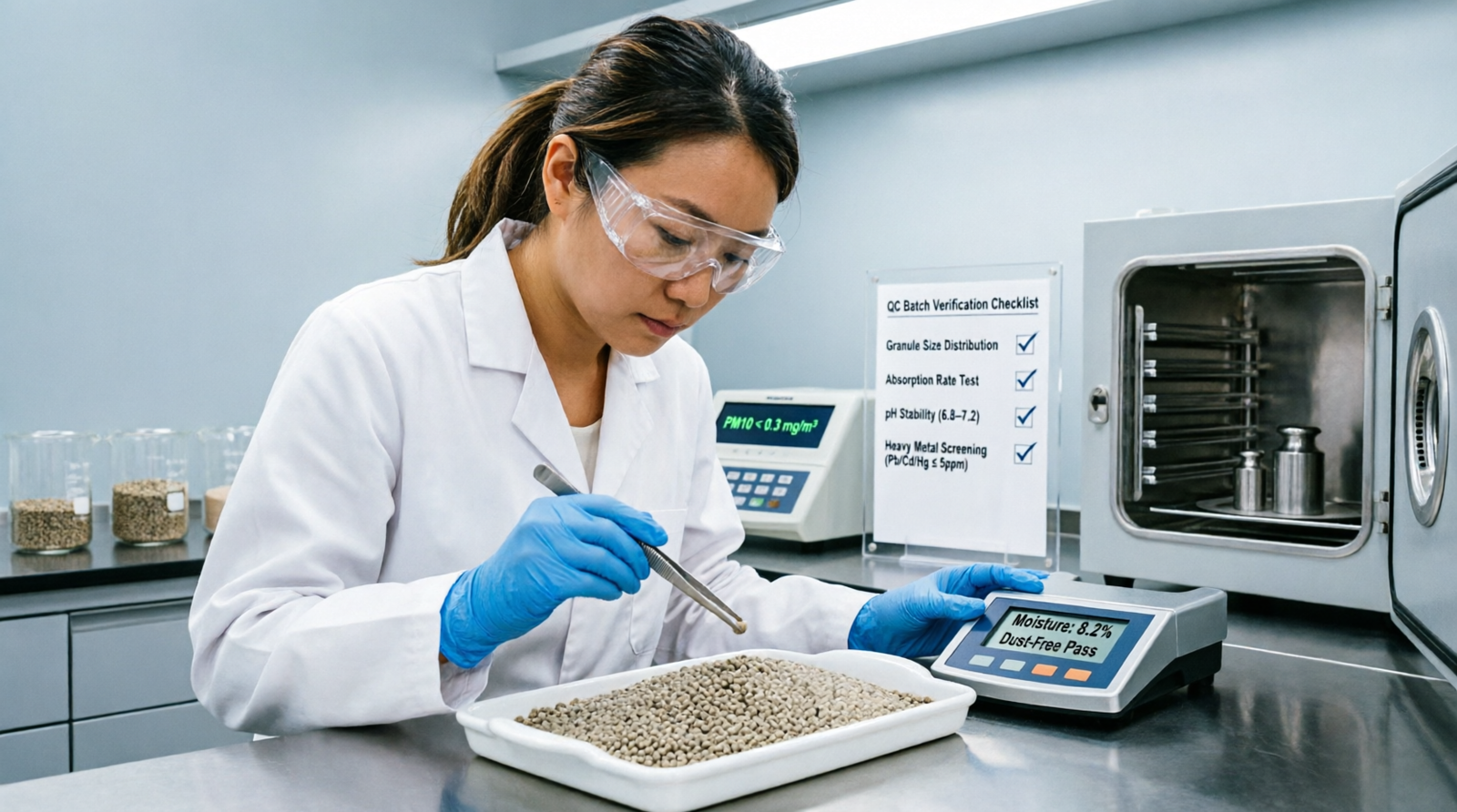
Ask your manufacturer how they test each batch and keep retained samples for traceability.
Is a Blend Right for Your Brand?
Mixed litter can help a brand stand out without moving fully into premium tofu pricing. At Acmic, we produce bentonite, tofu and silica gel cat litter as well as custom blends for OEM and ODM partners worldwide. Contact us to request samples and compare blend ratios side by side.