



Ask any cat owner what matters most in a litter, and odor control is usually at the top of the list. For private-label brands, it’s also where product claims get vague fast. “Long-lasting freshness” means very little unless you know which mechanism is doing the work. Here’s a plain-language look at how the main odor control approaches function, and what to weigh when specifying them with your manufacturer.
Where Litter Box Odor Comes From
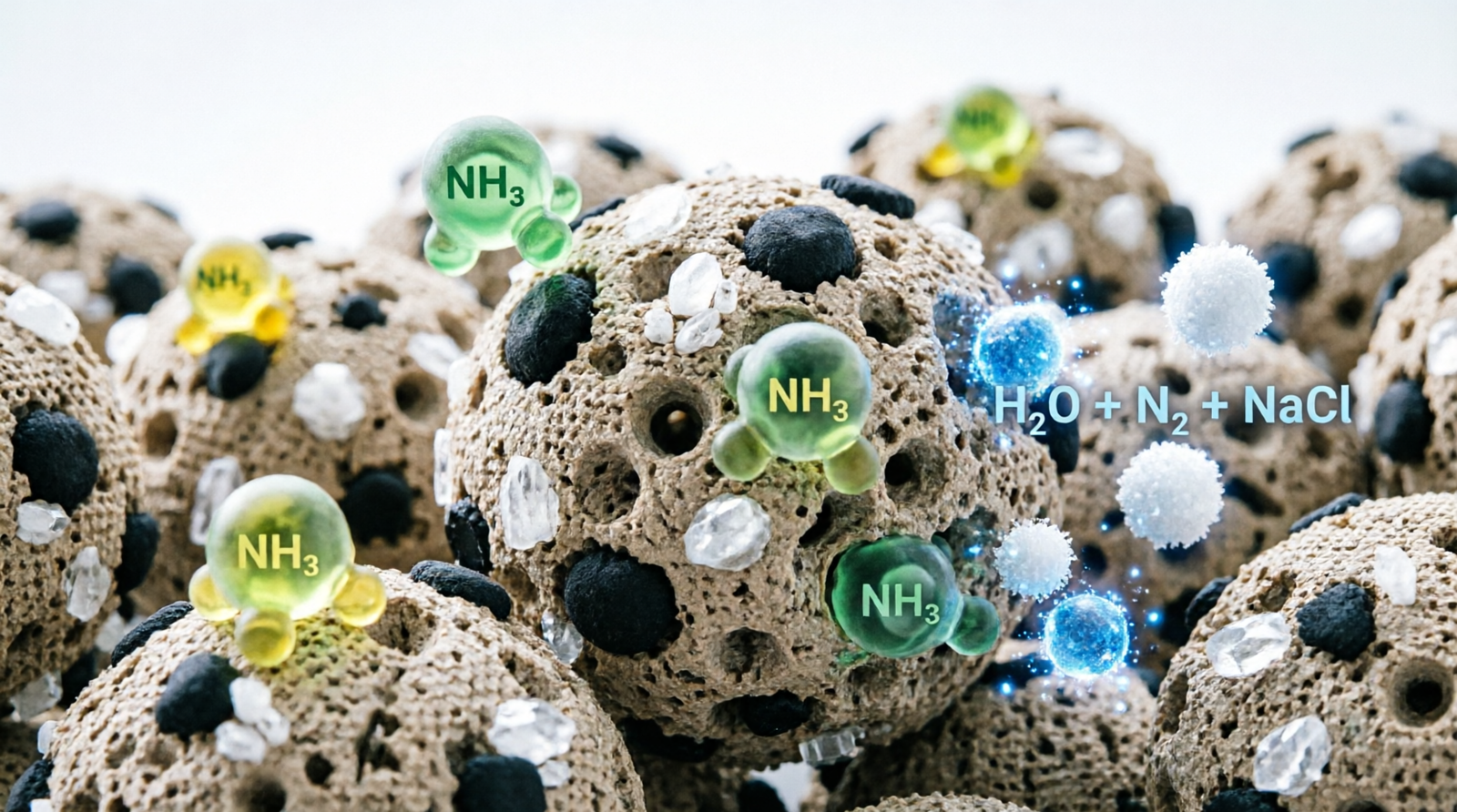
Most litter box smell comes from ammonia, which forms as bacteria break down urea in cat urine. Feces add sulfur compounds and other volatile organics. So good odor control does two things: it locks moisture away quickly so bacteria have less to work with, and it traps or neutralizes the smell-causing compounds that do form.
The Base Material Does Most of the Work
Before any additive, the litter itself sets the baseline:
- Bentonite clay forms tight clumps that seal urine in, so it can be scooped out before odor builds.
- Silica gel has a highly porous structure that absorbs moisture and traps odor molecules inside its pores.
- Tofu and plant-based litters absorb well and clump, and some formulas include natural deodorizing ingredients.
A litter with weak clumping or slow absorption will struggle no matter what’s added to it.
Common Odor Control Additives
Activated carbon (charcoal): Extremely porous, it adsorbs odor molecules onto its surface. It’s fragrance-free, which suits brands targeting sensitive cats and owners. The trade-off is that it can darken the litter’s appearance.
Baking soda (sodium bicarbonate): A mild, low-cost deodorizer that helps neutralize acidic odors. It’s widely used and well understood by consumers, though it’s less effective against ammonia on its own.
Fragrance: Scents such as lavender, green tea or citrus mask odor rather than remove it. Many consumers like them, but cats can be sensitive to strong scents, so dosage and scent choice matter. Unscented variants remain an important part of most lineups.
Antibacterial or enzyme-based agents: These aim to slow the bacterial breakdown that creates ammonia in the first place. If you plan to make specific antibacterial claims, confirm what’s permitted in your target market.
What to Ask Your Manufacturer
When developing an odor-control SKU, it helps to ask:
- Which odor control mechanism is used, and at what dosage?
- How is the additive distributed evenly through each batch?
- Is the fragrance pet-safe, and is an unscented version available?
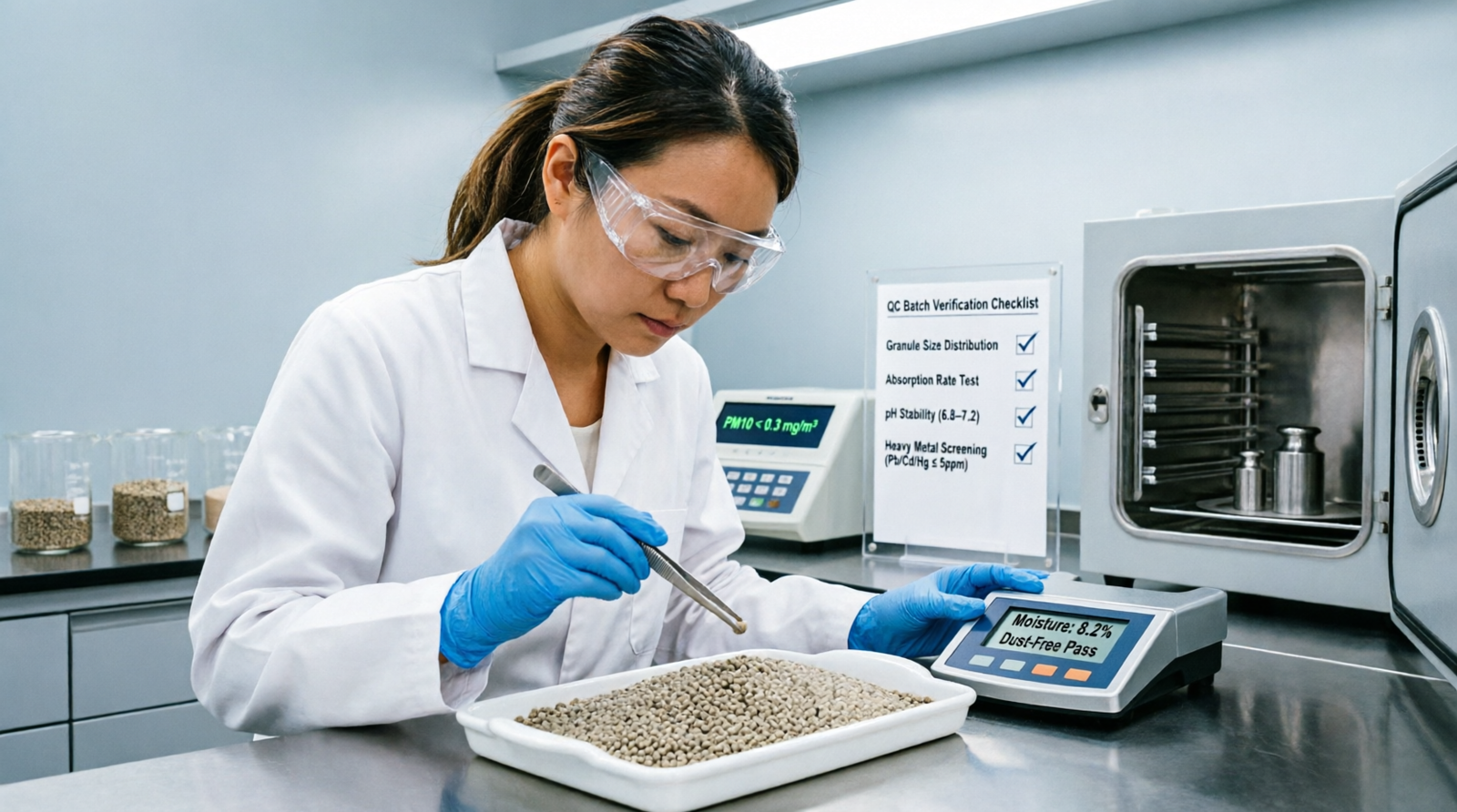
- What odor testing is done, and can you see results on samples?
- Do the claims on your packaging match what the formula actually does?
At Acmic, we can build odor control into bentonite, silica gel and tofu formulas, including activated carbon blends, custom fragrances and unscented options. Contact us to request samples and compare formulations for your private-label line.