
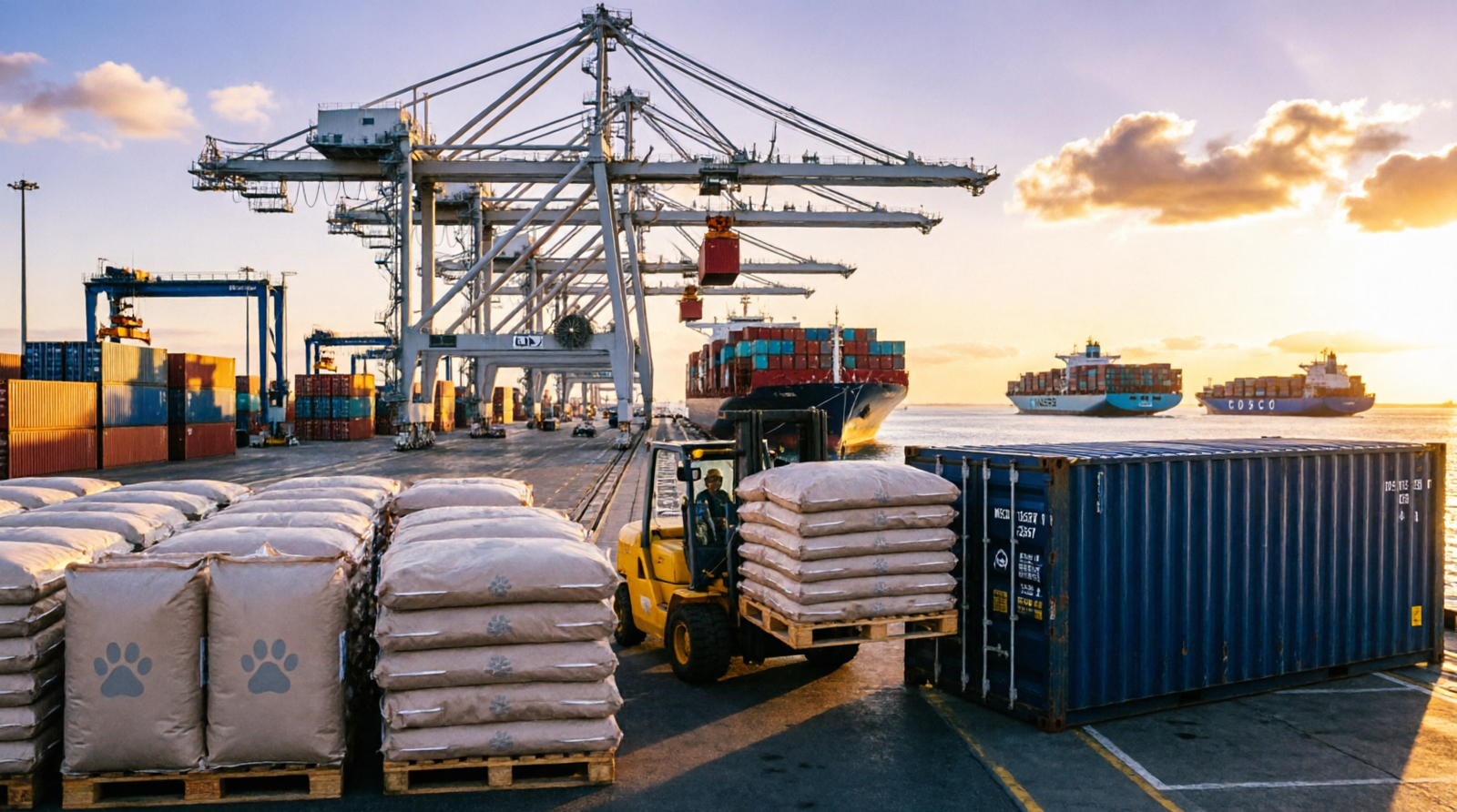


A great formula only matters if it arrives in the same condition it left the factory. For importers, damaged bags, caked litter and moisture problems usually start long before the ship docks. They start with how the product was packed, palletized and loaded. Here’s how we approach export packing and container loading at our Qingdao facility, and what buyers should expect from any cat litter manufacturer.
Final Checks Before Packing
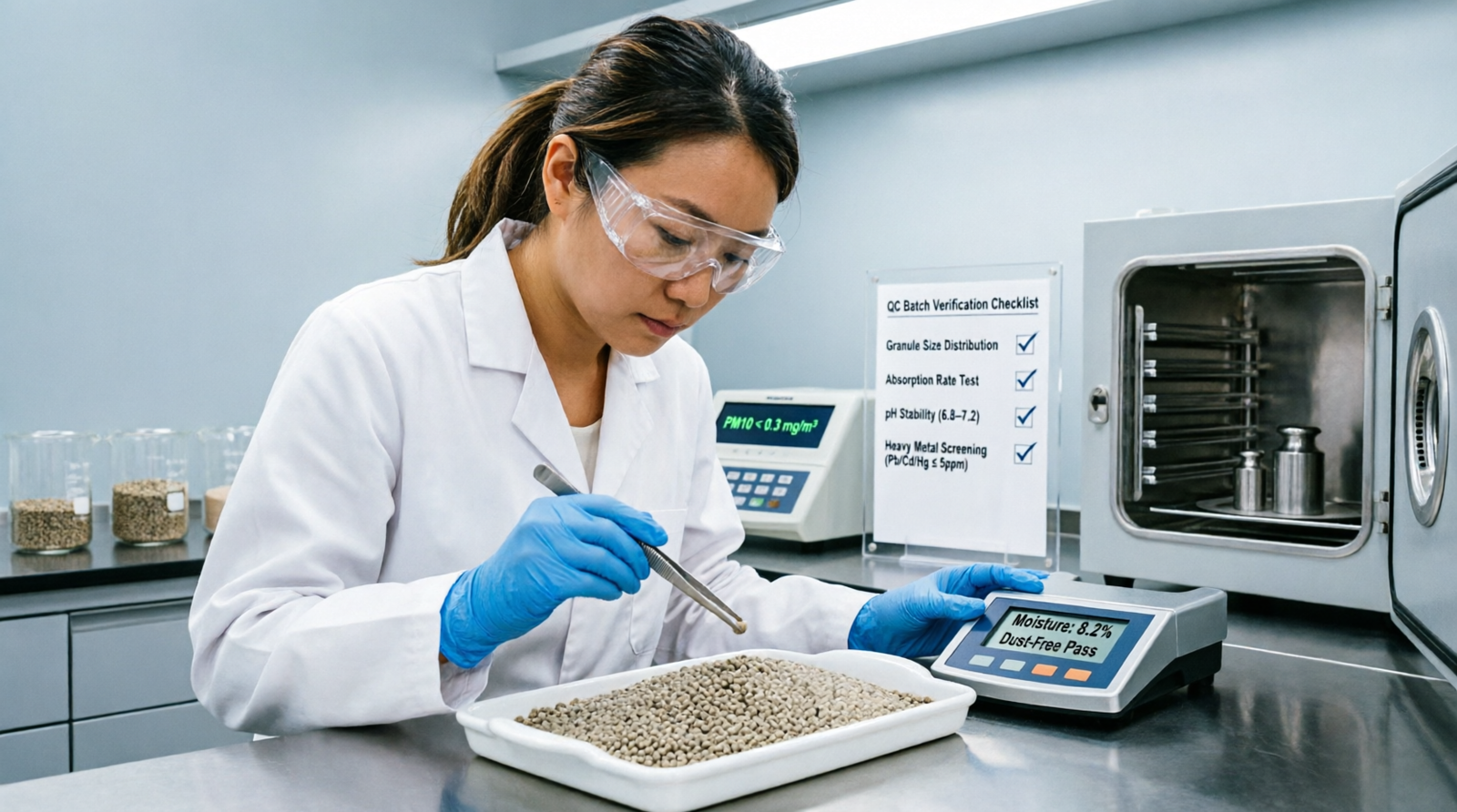
Before litter goes into cartons or onto pallets, each batch passes a final round of pre-shipment checks. Our team confirms moisture content, net weight, seal integrity and print quality on the bags. A bag that looks fine on the line can split or leak after weeks at sea, so we check heat seals and stitching closely, especially on heavy bentonite packs.
Palletizing for Stability
Cat litter is dense and heavy, so how it’s stacked has a big effect on what arrives. We use:
- Interlocking stacking patterns that keep bags from shifting during transit
- Stretch wrap and corner protectors to hold each pallet together and protect bag edges
- Slip sheets or pallets matched to the buyer’s warehouse, since some importers need specific pallet sizes for their racking or retail distribution centers
For buyers who prefer floor loading to maximize quantity per container, we plan the bag layout carefully so weight is spread evenly and the bottom layers aren’t crushed.
Controlling Moisture in the Container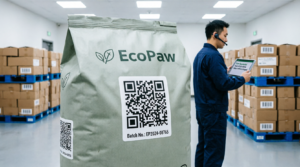
Moisture is the biggest risk for litter on long sea routes. Containers heat up during the day and cool at night, which causes condensation, often called “container rain”. To reduce that risk, we:
- Inspect each container for holes, leaks and odors before loading
- Add desiccant bags or strips inside the container
- Use moisture-barrier packaging suited to the litter type, especially for silica gel and tofu litter, which absorb humidity easily
Documented Loading
Every shipment is recorded. We photograph the empty container, each loading stage and the sealed doors, and note the container and seal numbers for the buyer’s records. Combined with our batch records, this gives importers clear traceability if a question ever comes up after delivery.
What This Means for Your Brand
Good export packing protects your margins. Fewer damaged bags means fewer claims, fewer unhappy retail partners and a smoother first impression for your brand. When you evaluate a private-label cat litter supplier, ask to see their loading photos and packing standards. A careful factory will be happy to share them.
At Acmic, we handle bentonite, silica gel and tofu litter for OEM and ODM partners worldwide, from production through container loading. Contact us to discuss packing options for your next order.