




Picking a private label cat litter manufacturer is a decision you live with for years, not one order. The wrong partner shows up as inconsistent clumping, dusty batches, and shipping delays that land on your reviews, not theirs. Here is what to check before you commit.
Start With Product Fit, Not Price
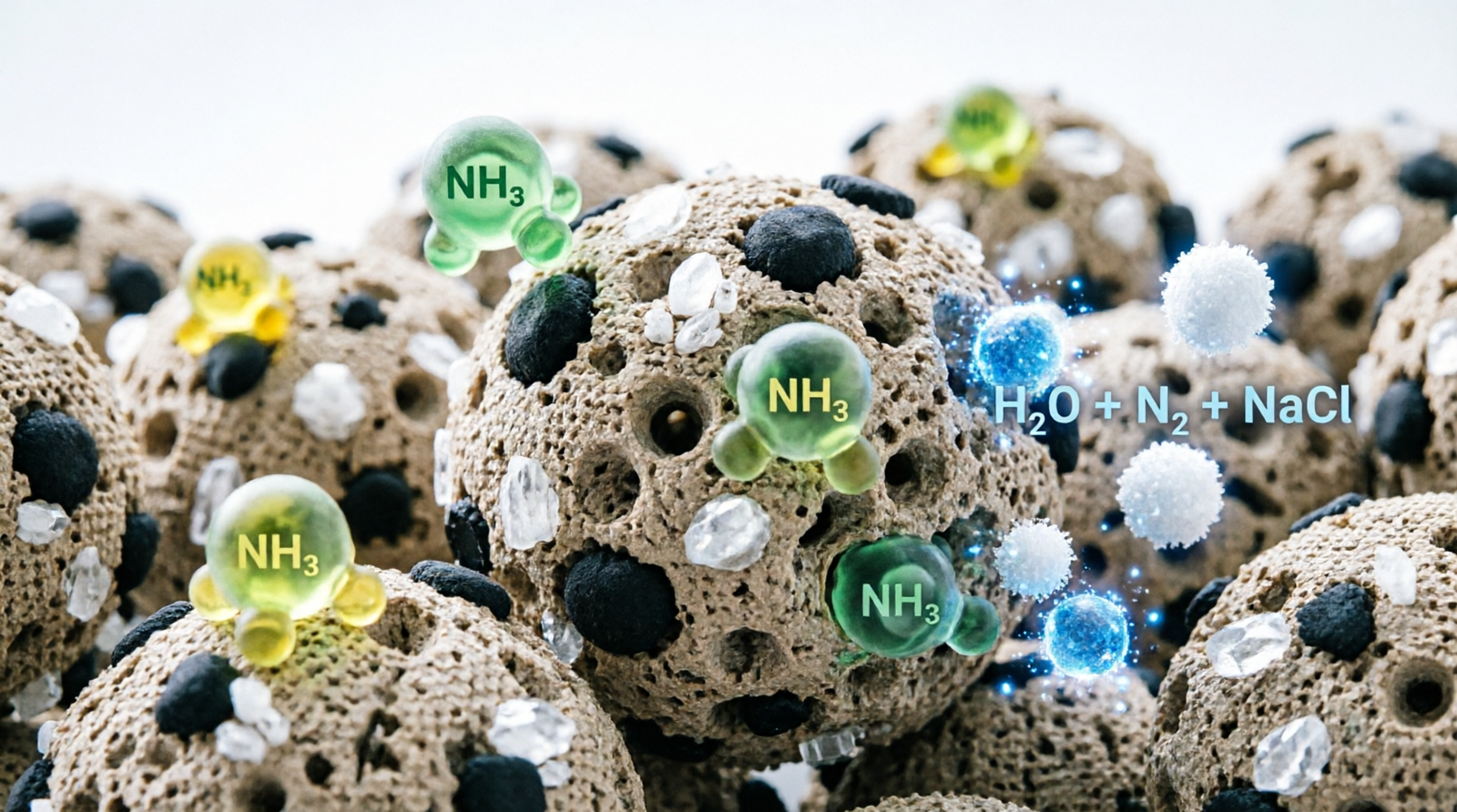
The cheapest quote almost never wins once you factor in rework, returns, and lost reorders. Ask each candidate to run your target formula, not their house blend, and send paid samples from a real production line rather than a lab bench. Test clumping strength, dust, tracking, and odor control against the brief you wrote, and have a few real cat households try it before you score anything.
Verify the Factory Is Real and Audited
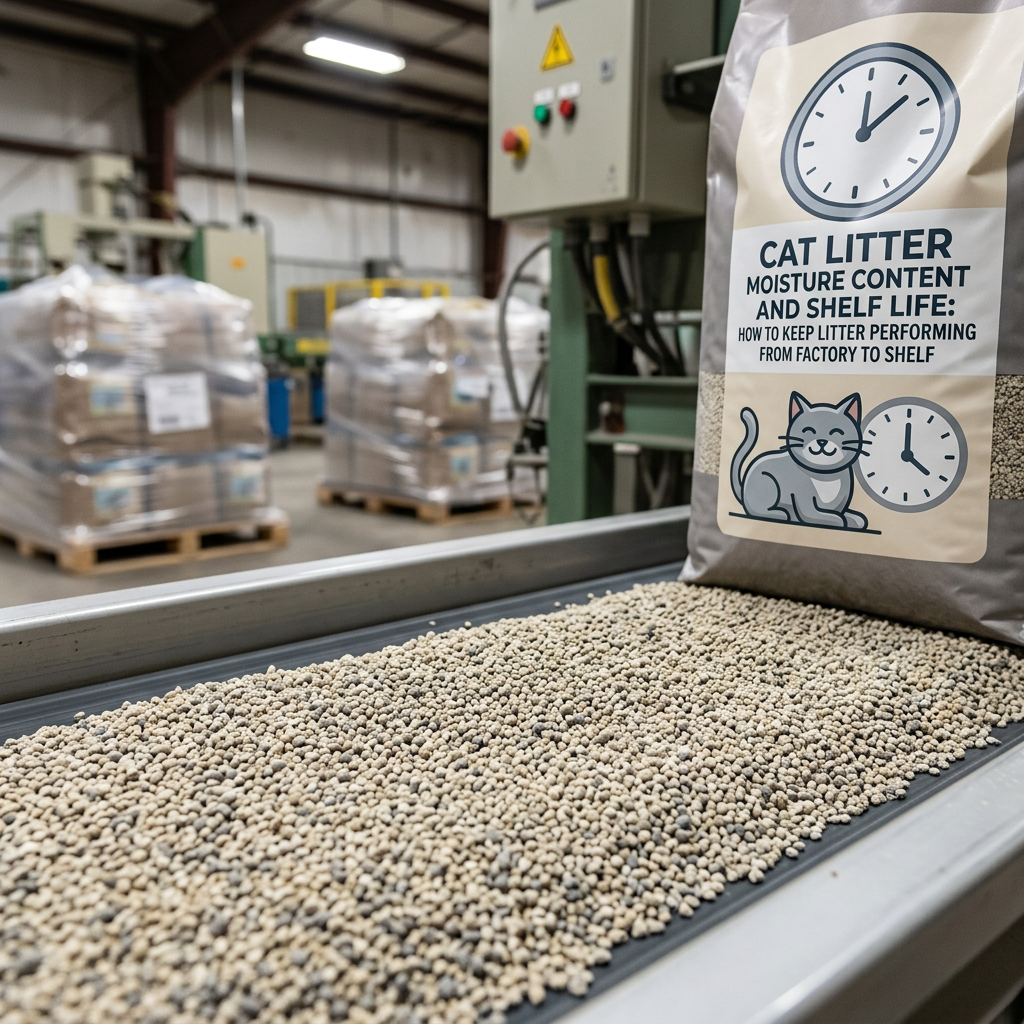
Ask for recent third-party audit reports (BSCI, SEDEX, or ISO 9001), business licenses, and export records. A legitimate OEM/ODM supplier will share these without stalling. If you can, visit or send an agent to walk the line, check raw material storage, and confirm the drying and screening equipment matches the volume they claim.
Pin Down MOQ, Lead Time, and Capacity
Get these in writing: minimum order quantity per SKU, production lead time, and what happens to your timeline during peak season. Ask what their monthly capacity is and how much of it is already committed, so you know there is room for you to grow.
Lock the Specification
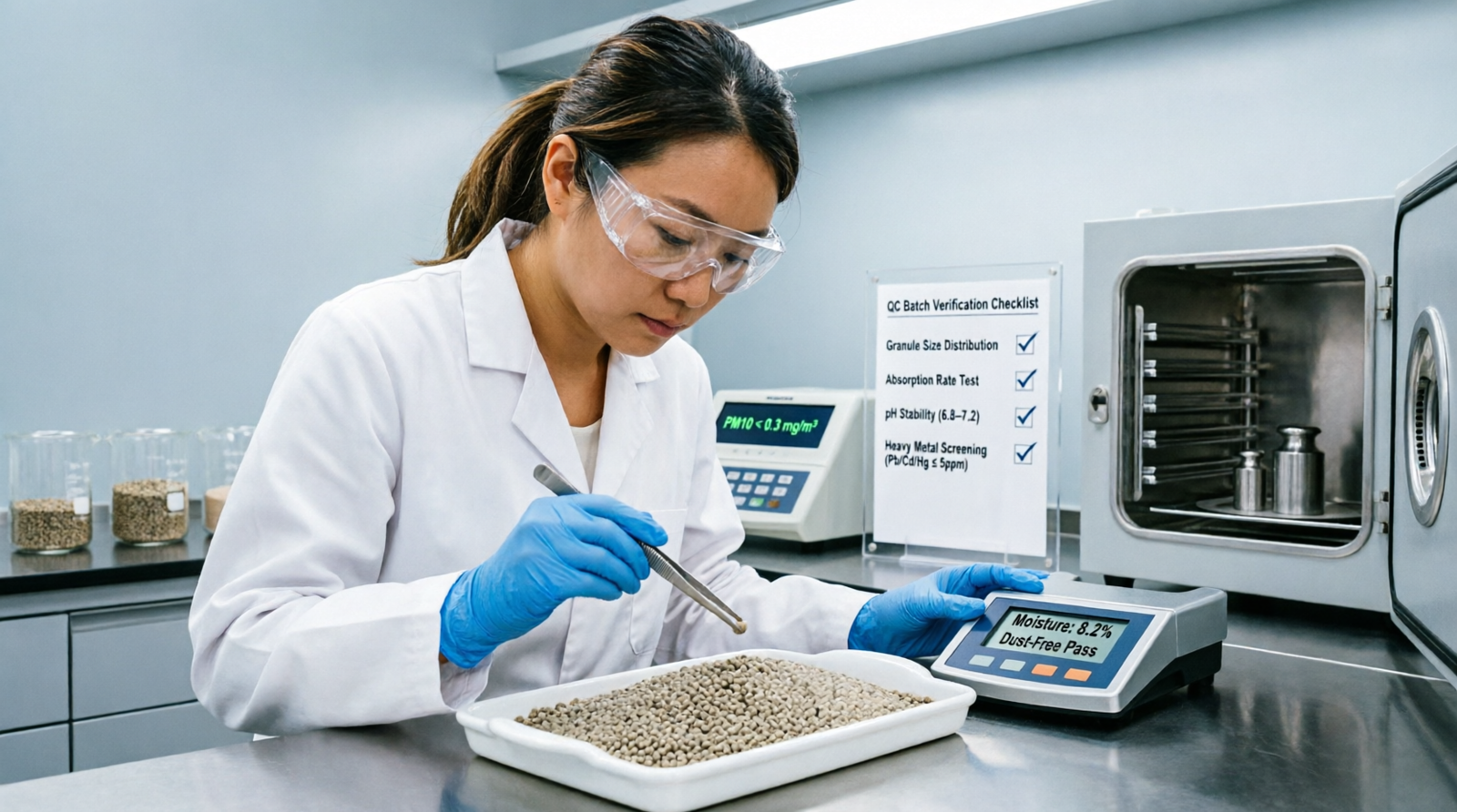
Once a sample is approved, it becomes your standard spec — the reference every future batch is measured against. Insist on a documented spec sheet covering granule size, moisture, clumping performance, and packaging. This is what lets you reorder in six months and get the same product.
Watch for Red Flags
Vague answers on materials, reluctance to share audits, a different contact every email, or pressure to skip sampling are all signals to walk away. A good partner treats your brand reputation as their problem too.