



If you’re launching a pet brand or sourcing a private-label cat litter line, one of the first decisions you’ll face is: which type of litter should I sell? At Acmic, we manufacture all three of the major cat litter categories — and each one serves a different customer.
Bentonite Clay Litter
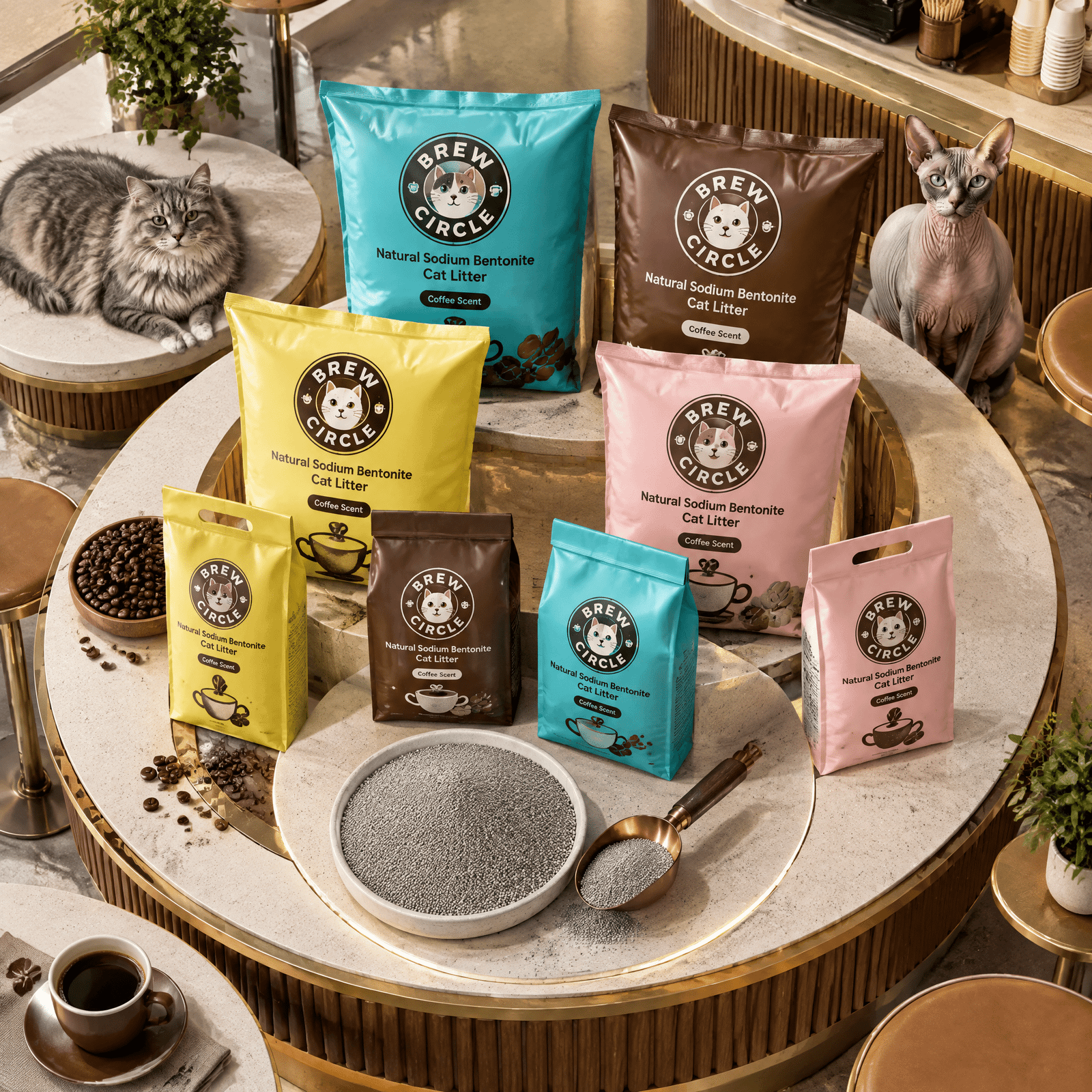
Bentonite clay is the most established and widely sold cat litter type on the market. It’s a clumping litter, meaning it forms solid clumps around waste that can be scooped out, leaving the rest of the litter clean. Its biggest strengths are low cost and strong odor absorption, which is why it still dominates shelf space in most pet retailers worldwide. The tradeoff is dust and weight — bentonite is heavier to ship and can be dustier than newer alternatives, something increasingly cost-conscious for distributors managing shipping.

Silica Gel Litter
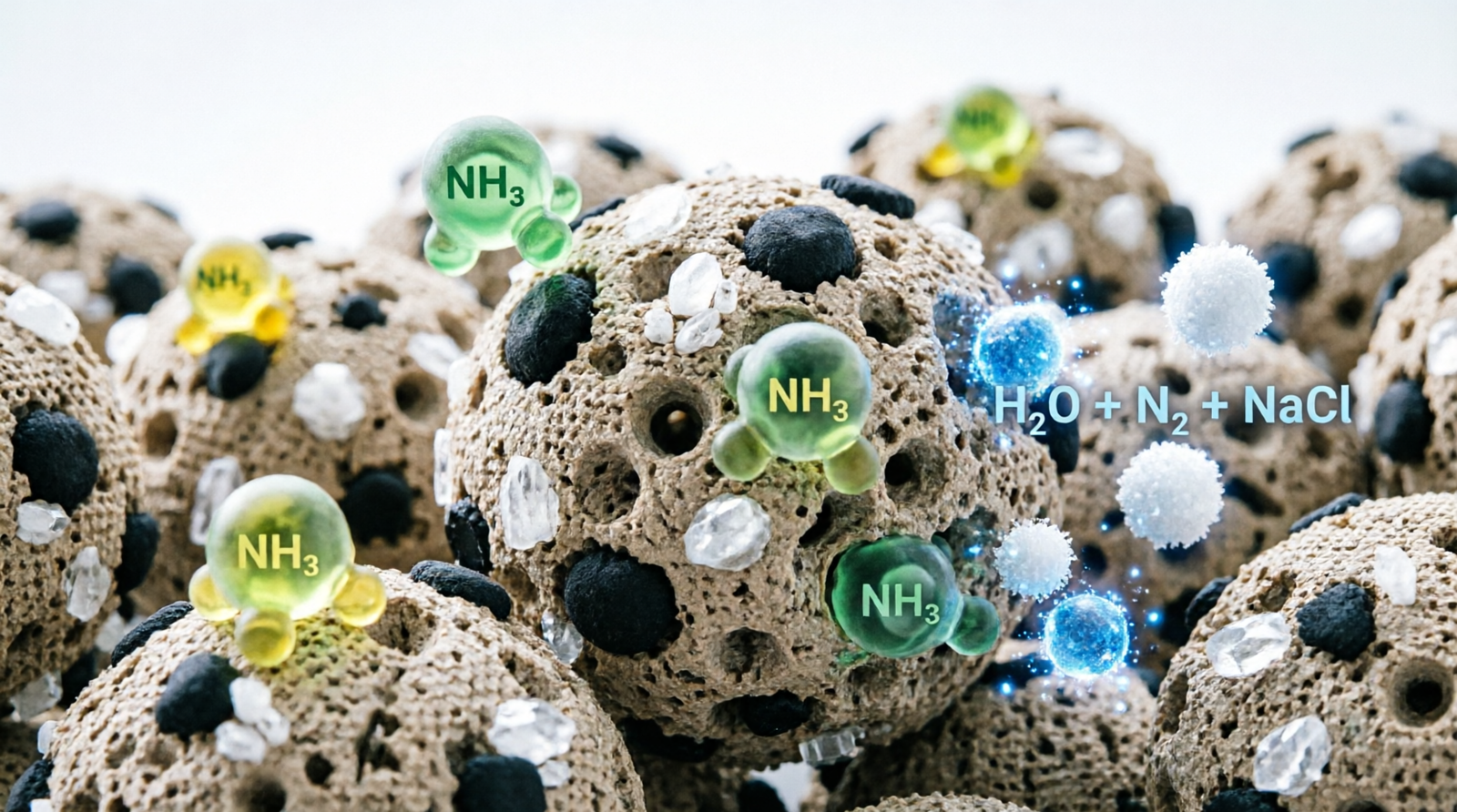
Silica gel litter has grown fast over the past decade, particularly with brands targeting premium and health-conscious consumers. It works through high absorbency micro-porous granules that trap moisture and odor at the source rather than clumping. Customers choose silica for its low dust, lightweight shipping profile, and long-lasting freshness — often outperforming clay on odor control per unit of litter used. For brands positioning as a premium or modern cat care product, silica is frequently the litter of choice.
Tofu Litter
Tofu litter, made from soybean byproduct, has become the fastest-growing category among eco-conscious pet owners. It’s biodegradable, flushable in many markets, and produces very low dust — appealing directly to customers who want a more natural, sustainable product. It typically commands a higher price point, which makes it attractive for brands building around sustainability and premium positioning.
Which One Should You Source?
There’s no universal “best” — it depends on your target customer and your brand positioning:
- Budget/mass-market brand → bentonite
- Premium, performance-focused brand → silica gel
- Sustainability-driven, eco brand → tofu
At Acmic, we manufacture all three through OEM/ODM production, so whether you already have a formula and packaging spec (OEM) or need help developing one from scratch (ODM), we can build the right product for your market position.
Want to talk through which litter type fits your brand? Reach out — we’re happy to walk through specs, MOQs, and lead times for any of the three.