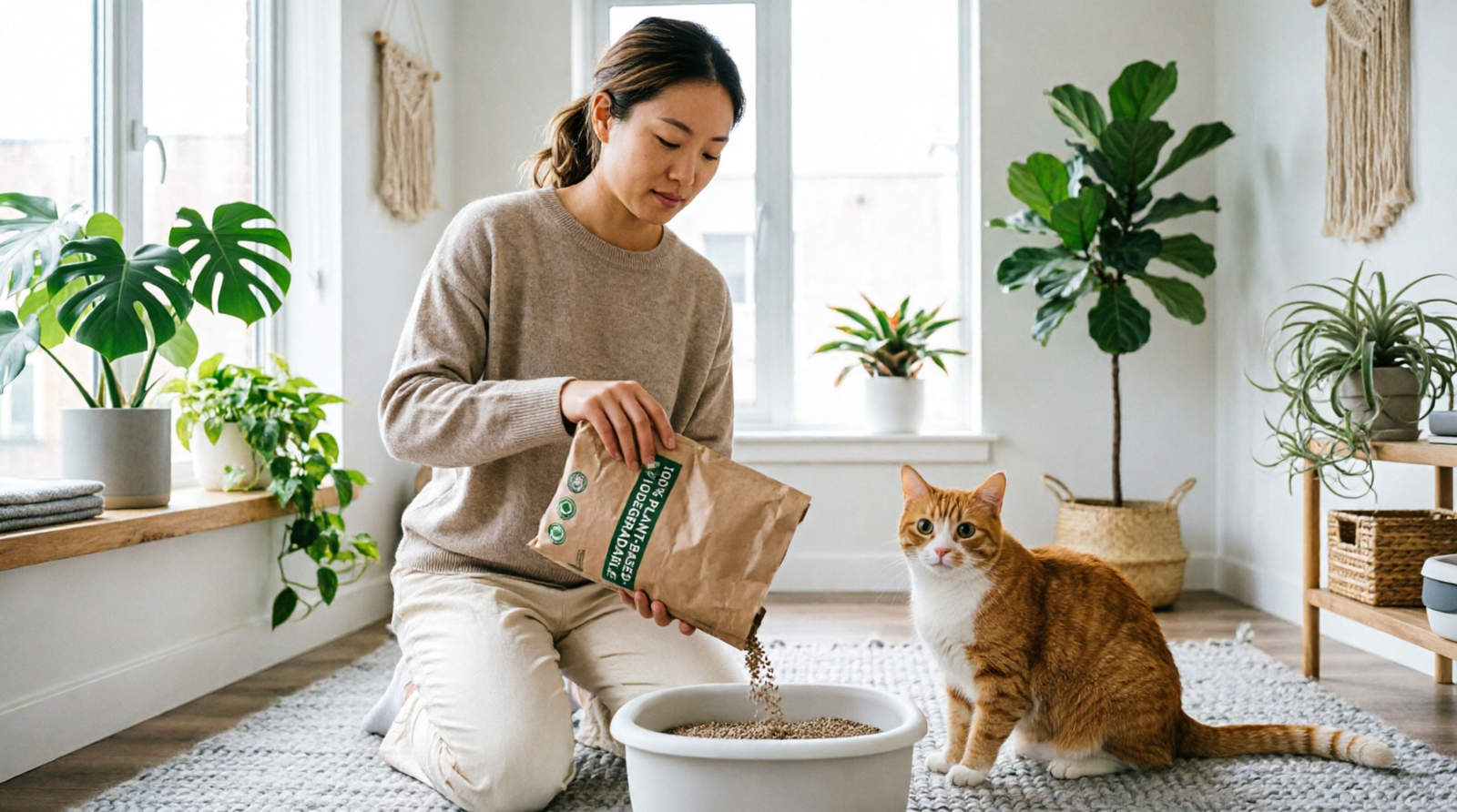

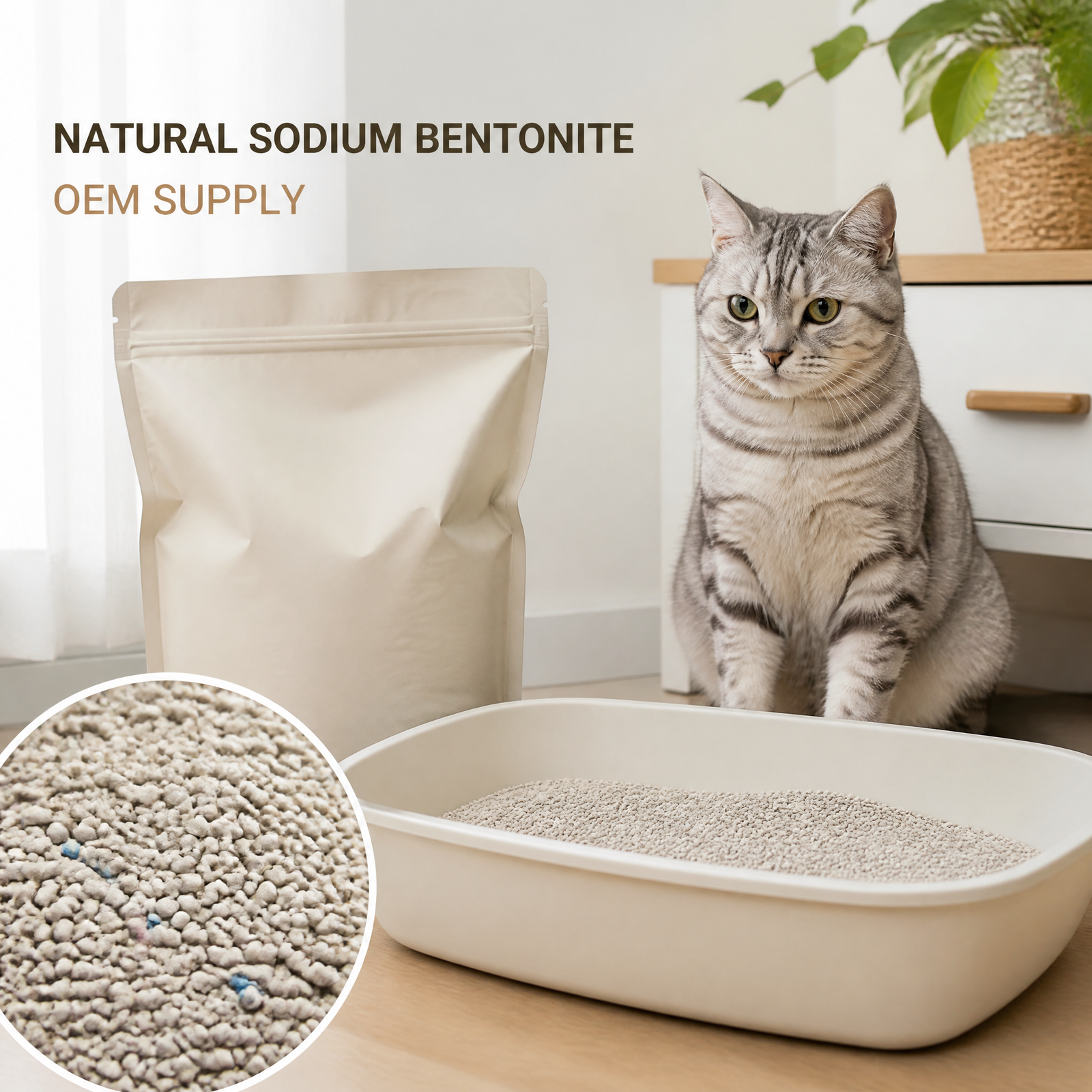



Pet owners increasingly treat their cats as family members, and that shift is reshaping what they buy. This trend, often called pet humanization, is one of the clearest forces behind demand for premium cat litter, and it opens real room for new private-label pet brands.
What pet humanization looks like
Owners now apply their own household standards to pet products: they read ingredient lists, care about low-dust formulas, worry about scent sensitivity, and want products that are gentler on both cats and the home. Industry commentary broadly agrees that spending per pet is climbing even where household budgets are tight, because pet care tends to be treated as a priority category. Exact figures vary by report and region, so treat any single statistic with caution.
Where the premium demand shows up in litter
Several product attributes consistently attract buyers willing to pay more:
- Low dust and hypoallergenic formulations, for cats with respiratory sensitivities and for owners who dislike dust on floors.
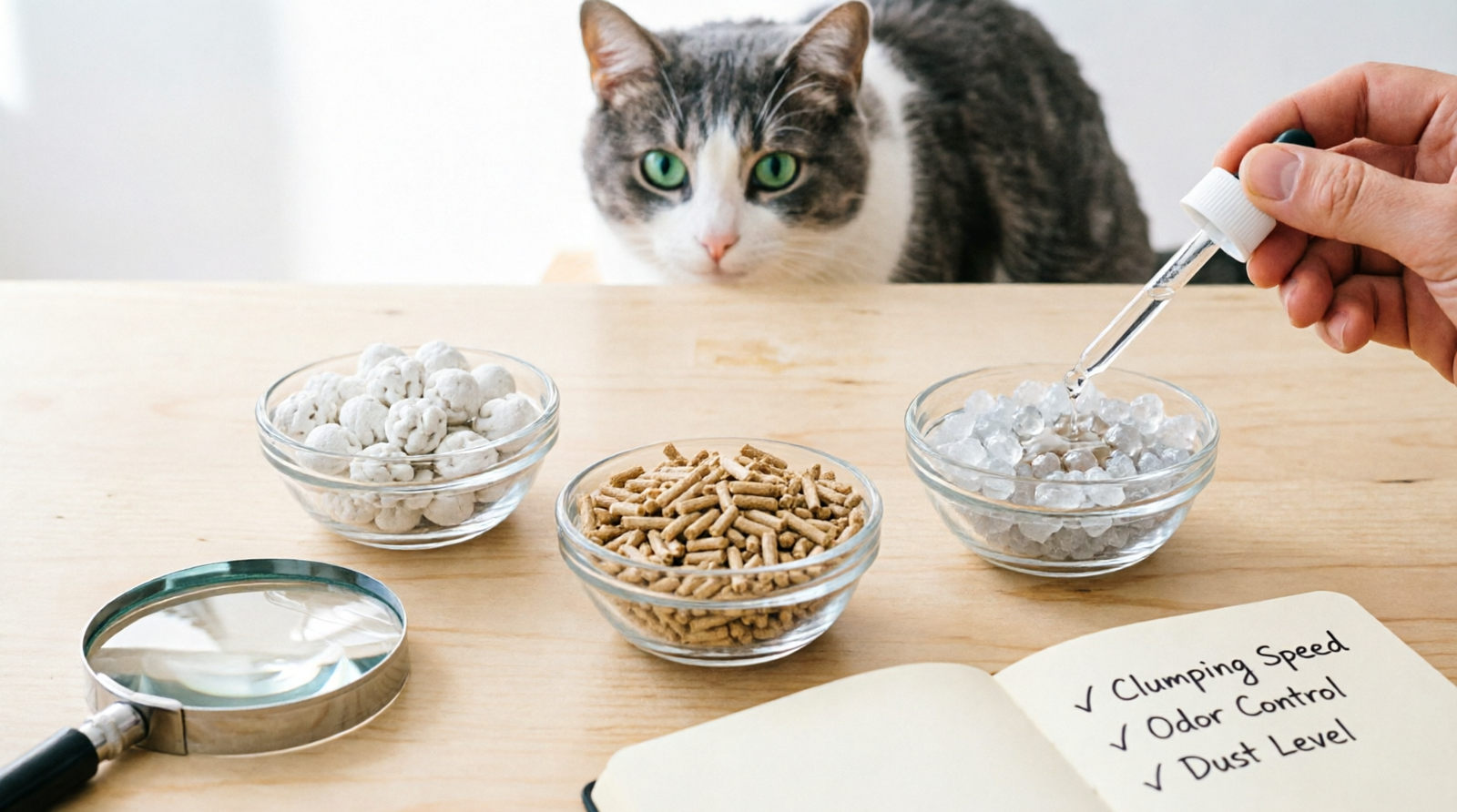
- Superior clumping and odor control, where better performance justifies a higher shelf price.
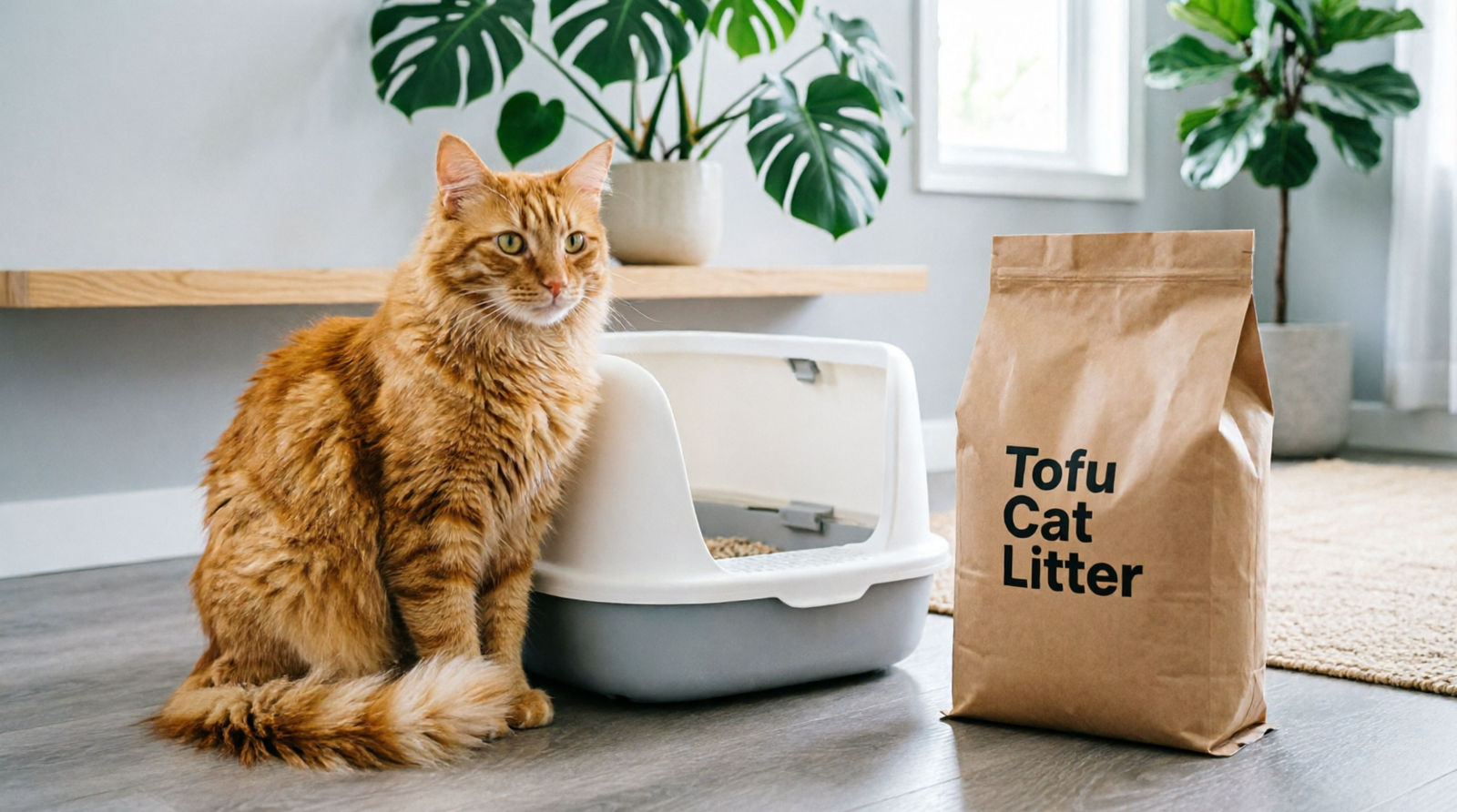
- Natural and plant-based options such as tofu litter, positioned around flushability and biodegradability.
- Lightweight formulas, which appeal to buyers who shop online and carry heavy bags upstairs.
- Silica gel crystal litter, valued for long-lasting odor control and low tracking.
Regional differences worth noting
Mature markets such as North America and Western Europe tend to lean toward performance and convenience. Fast-growing markets in parts of Asia, the Middle East, and Latin America are seeing first-time cat owners enter the category, often starting with mid-range products and trading up. A brand’s positioning should reflect where it sells, not a single global story.
What this means for new pet brands
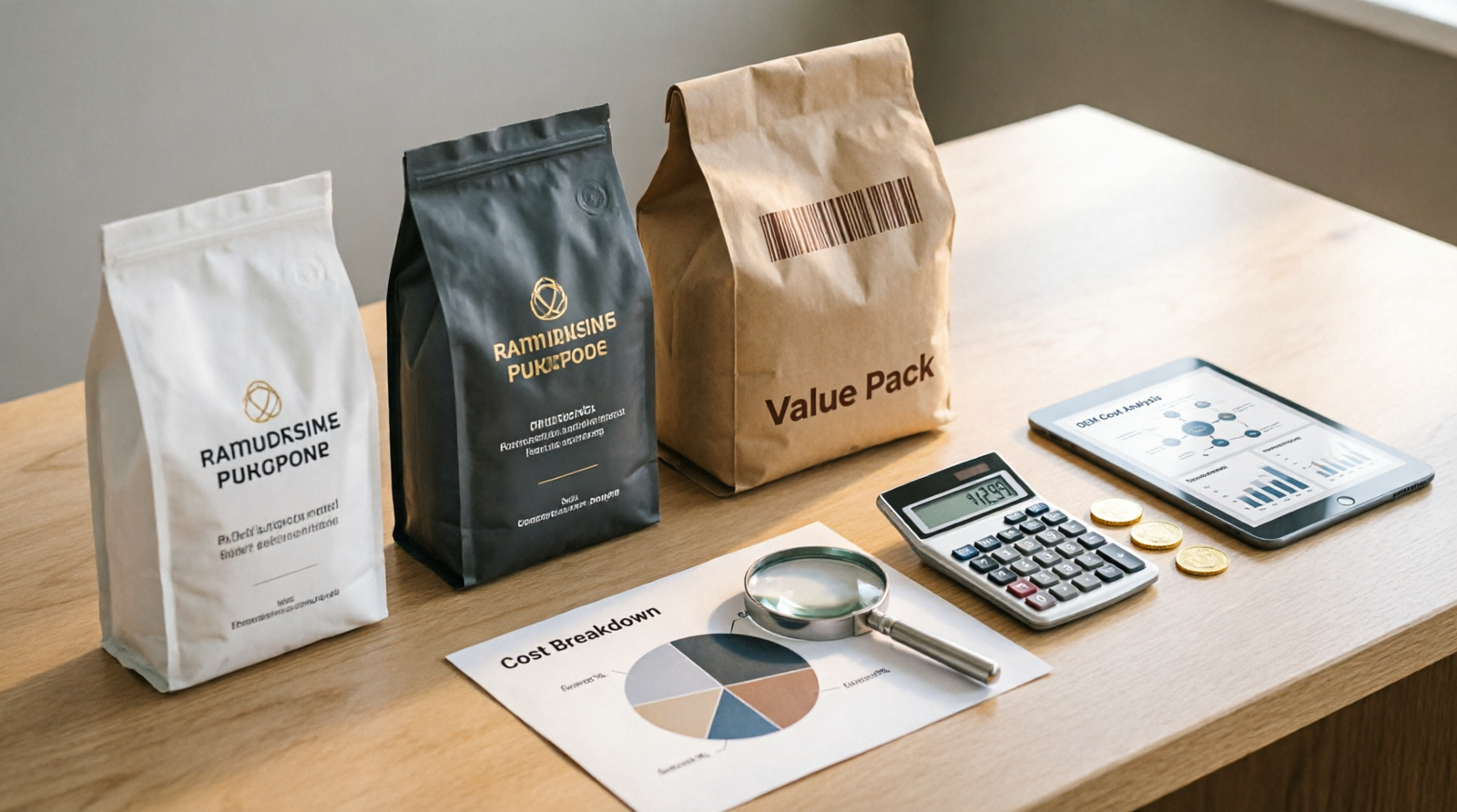
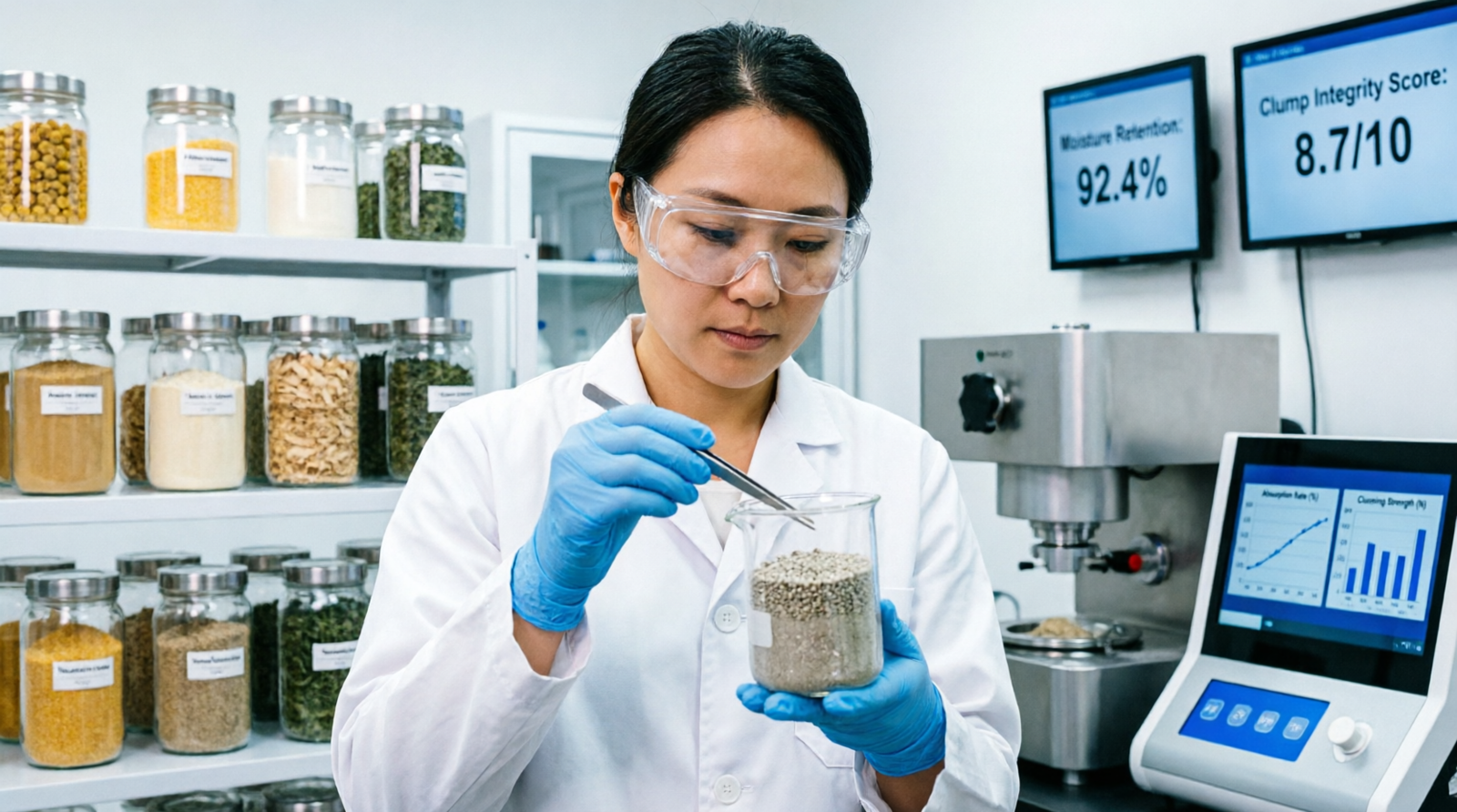
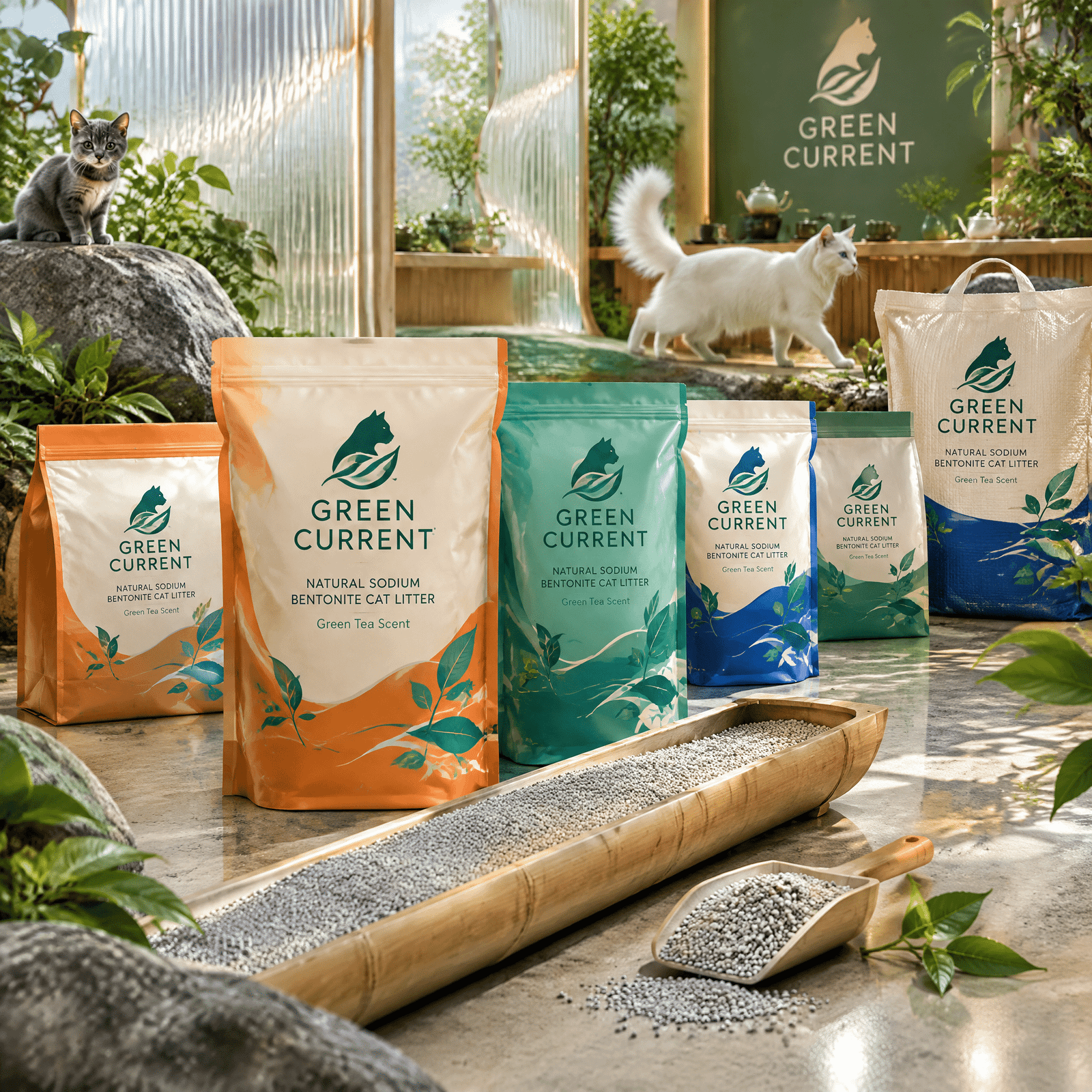
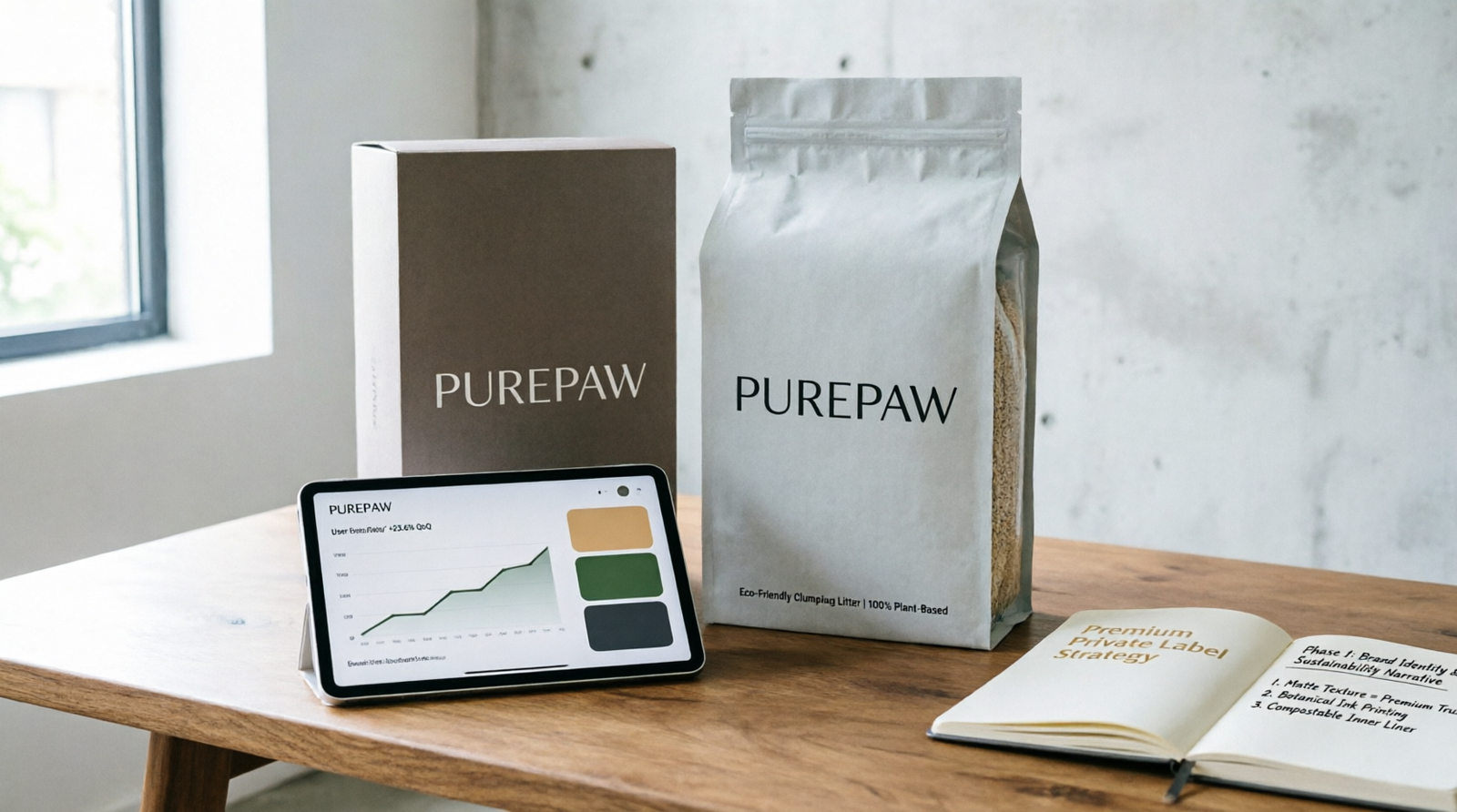
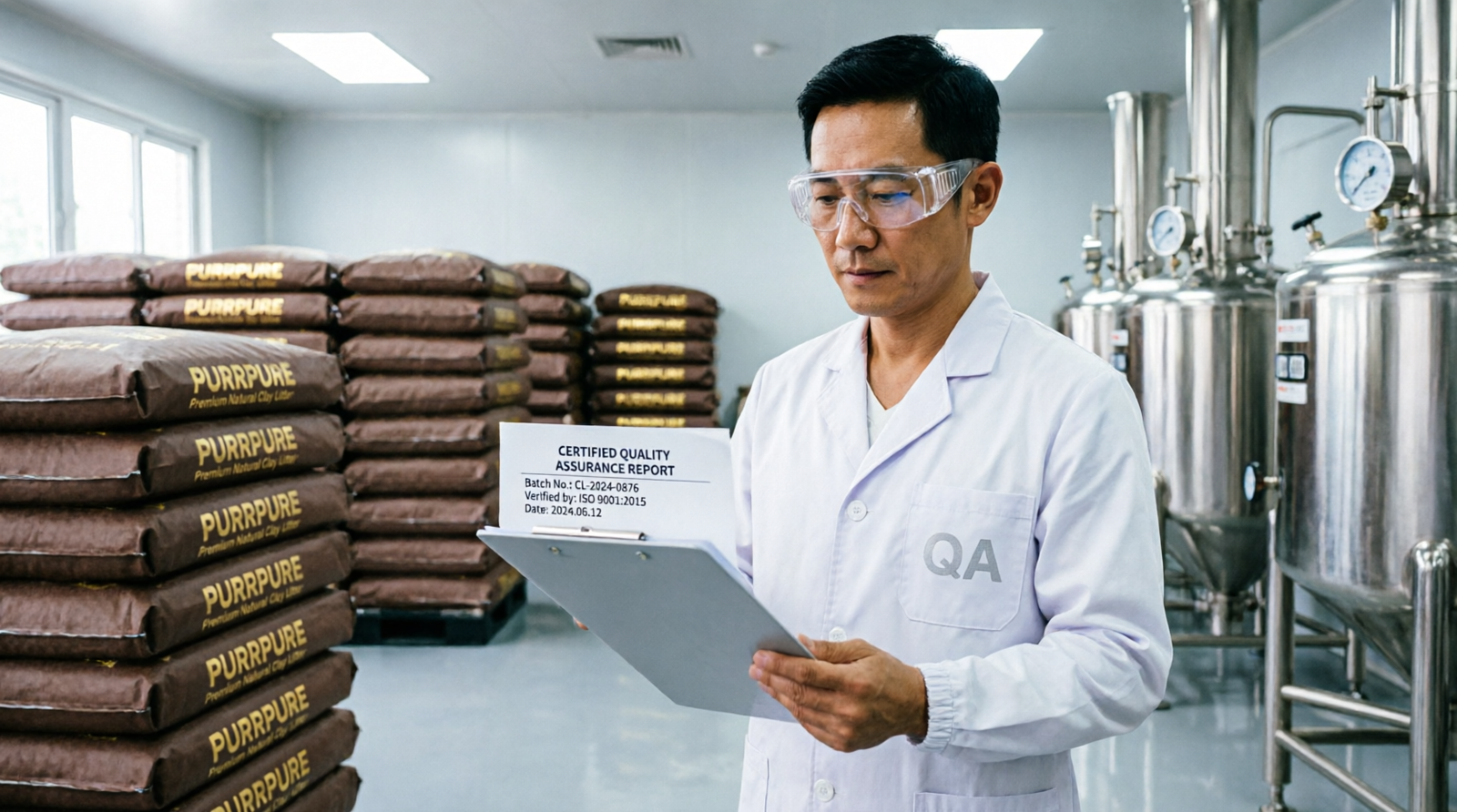
Premium positioning is only credible if the product backs it up. That puts pressure on your manufacturing partner to deliver consistent granule quality, tested dust levels, and reliable batch-to-batch performance. It also means packaging and branding matter more, since premium buyers judge a product before they open it.
A practical approach is to launch with one hero product in a clear niche, such as low-dust bentonite or plant-based tofu litter, then expand the range once you understand your customer. OEM and ODM partners can help you tune formulas, granule size, and scent options without building your own factory.
The bottom line
Pet humanization is not a passing fad. It rewards brands that pair a clear story with genuine product quality. Choosing a manufacturer that can meet premium specs consistently is the foundation of that promise.