
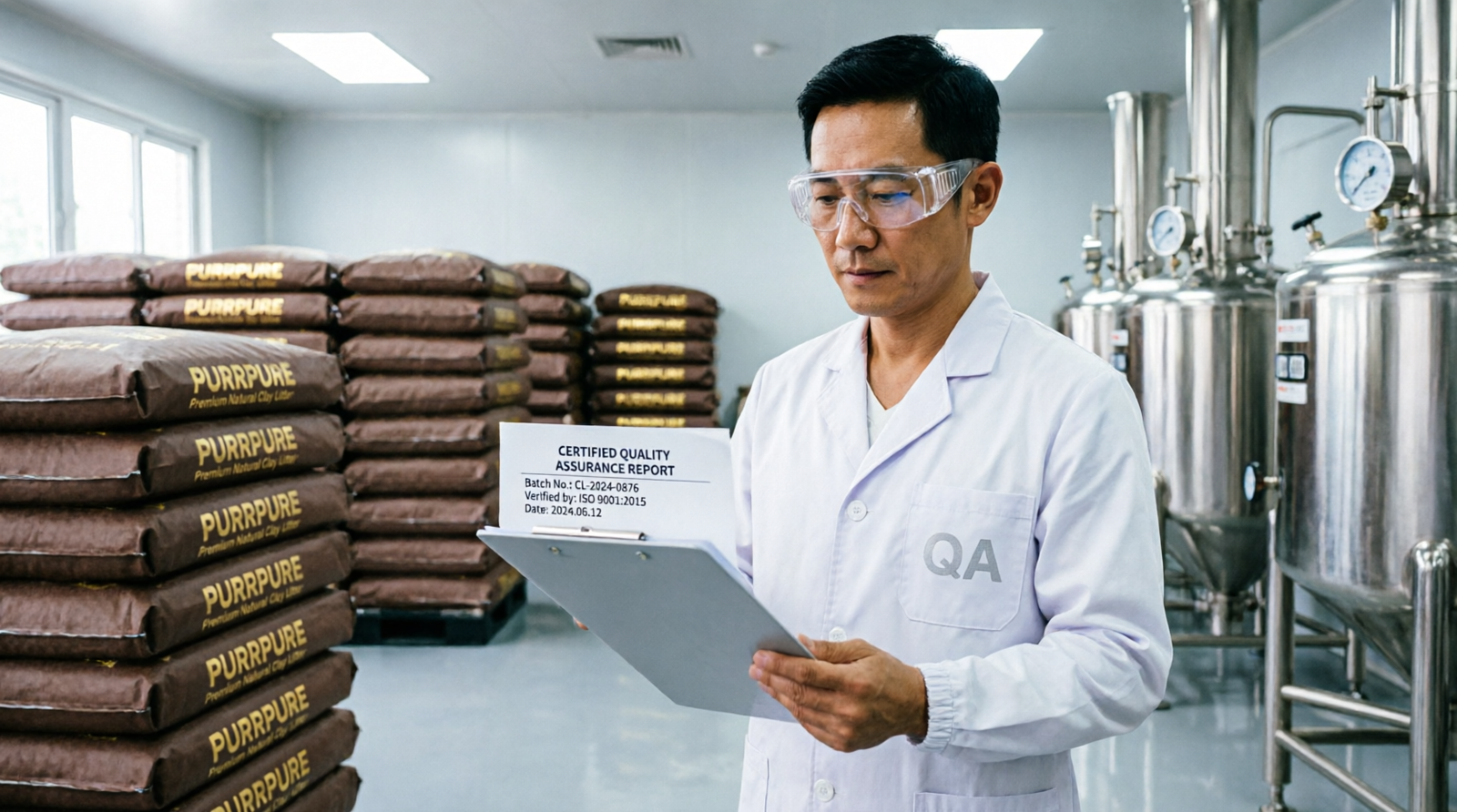
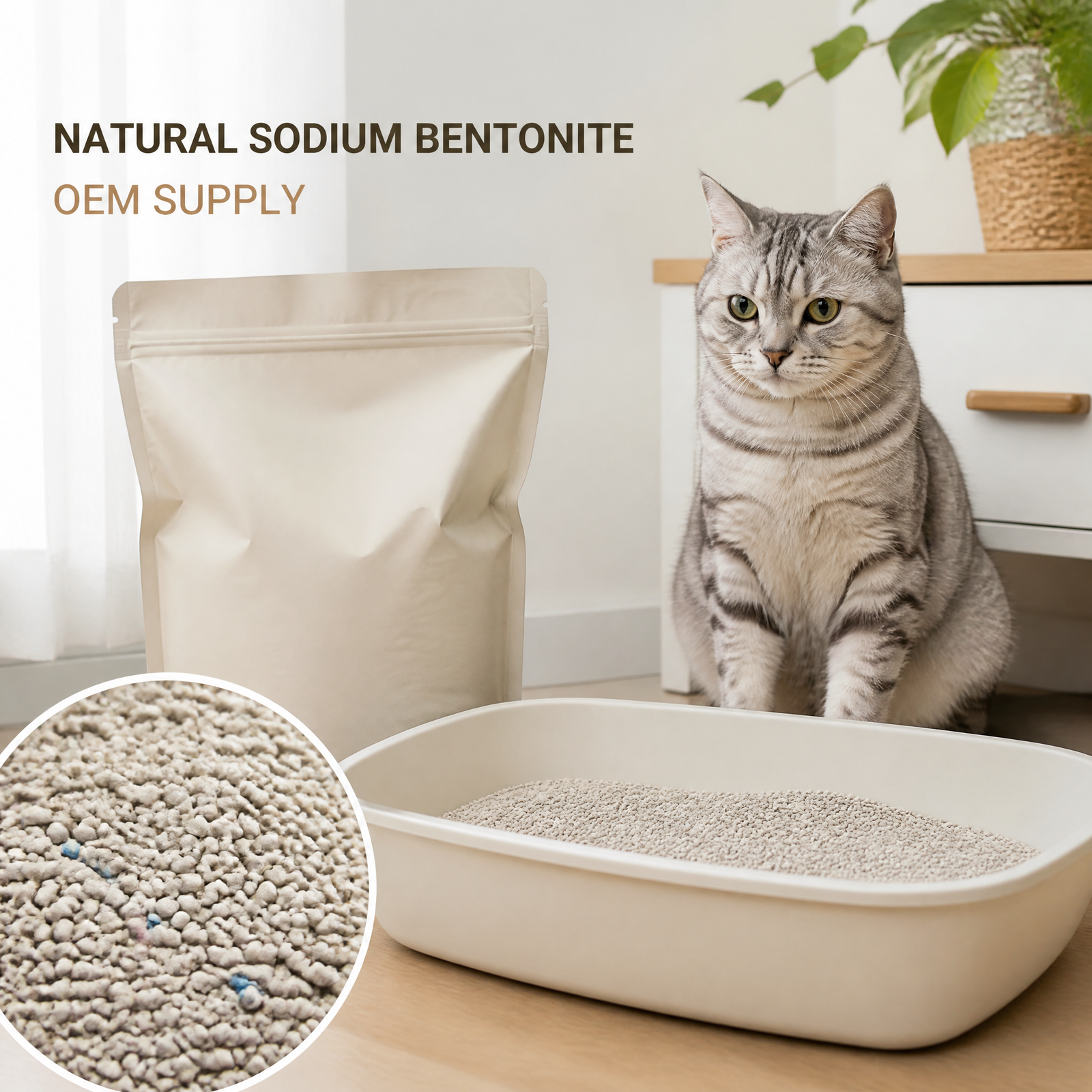



When you’re vetting a private-label cat litter manufacturer, certifications are one of the fastest ways to separate a serious partner from a risky one. Yet most new pet brands don’t know which quality certifications actually matter, or which questions to ask before committing to a production run. Here’s a practical breakdown.
Why certifications matter more than they seem
A certificate doesn’t guarantee a great product, but the absence of the right ones is a real warning sign. Certifications prove a factory has submitted to third-party verification of its processes, materials, and safety standards — not just its own word.
The certifications worth asking about
ISO 9001 (quality management systems) shows a factory has documented, repeatable production processes rather than ad-hoc manufacturing. Ask to see the actual certificate and its expiration date, not just a logo on a website.
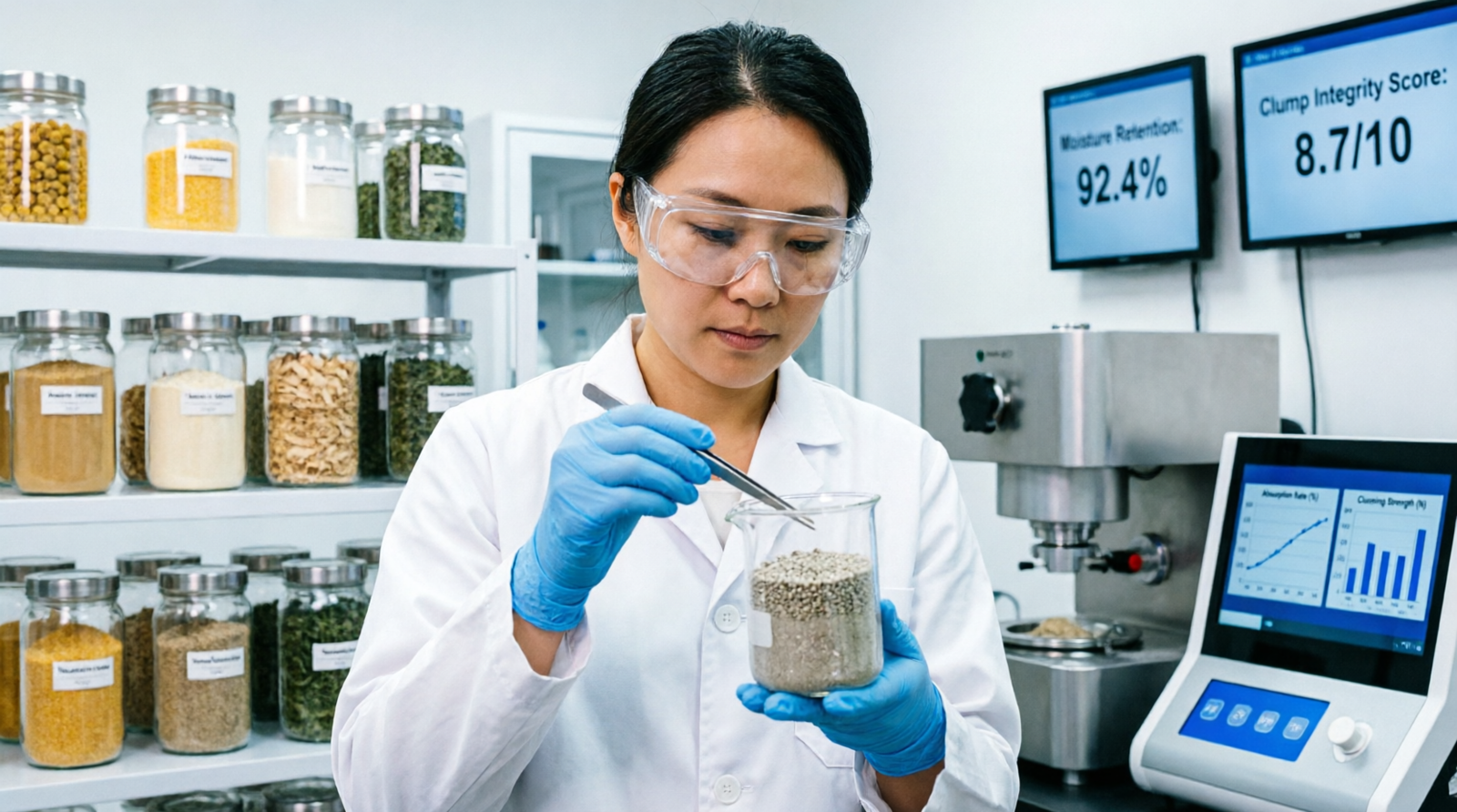
SGS or Intertek test reports are especially relevant for cat litter, since they can verify dust levels, heavy metal content, and absorption performance against stated specs. A trustworthy OEM will have recent, product-specific test reports — not a single report from years ago covering a different formulation.
REACH compliance matters if you’re selling into the EU, since it governs chemical safety in consumer products. For bentonite and silica gel litters specifically, ask whether raw materials are tested for crystalline silica dust and heavy metals like lead and arsenic.
Export licenses and business registration sound basic, but verifying a factory’s legal standing to export protects you from customs delays and phantom suppliers operating without proper registration.
Questions to actually ask
Don’t just ask “are you certified?” Ask instead: Can you share the certificate and let us verify it with the issuing body? What was tested, and when? Do you re-test each production batch
or only the initial formulation? A factory confident in its quality control will answer these without hesitation.
Red flags in this process
Watch for reluctance to share documentation, certificates that don’t match the actual product category, or test reports that are conveniently outdated. These gaps often surface exactly where quality control is weakest.
The bottom line
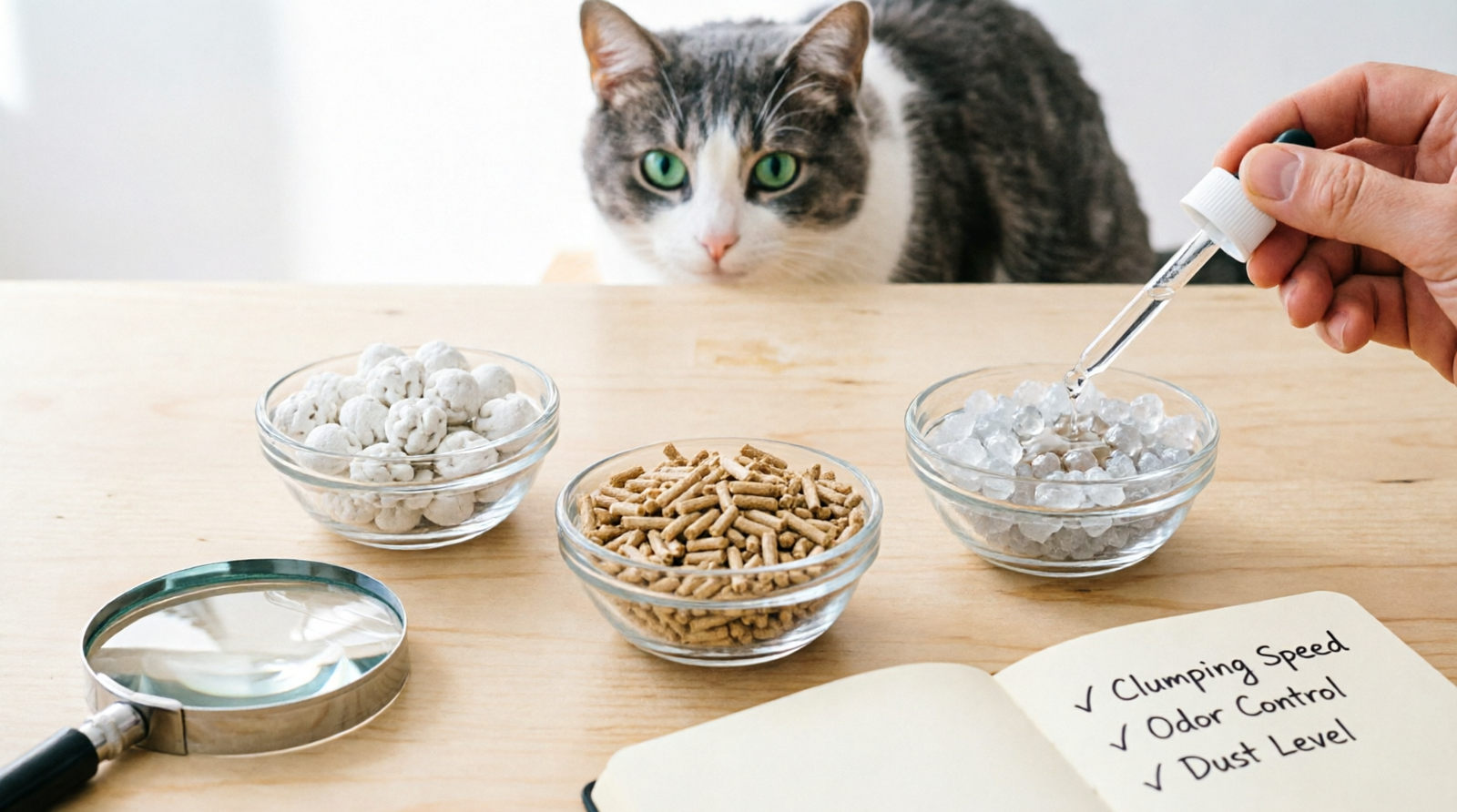
Certifications are a due diligence checkpoint, not a substitute for requesting physical samples and running your own testing. Use them together: paperwork to narrow your shortlist, samples to confirm the paperwork is real.