
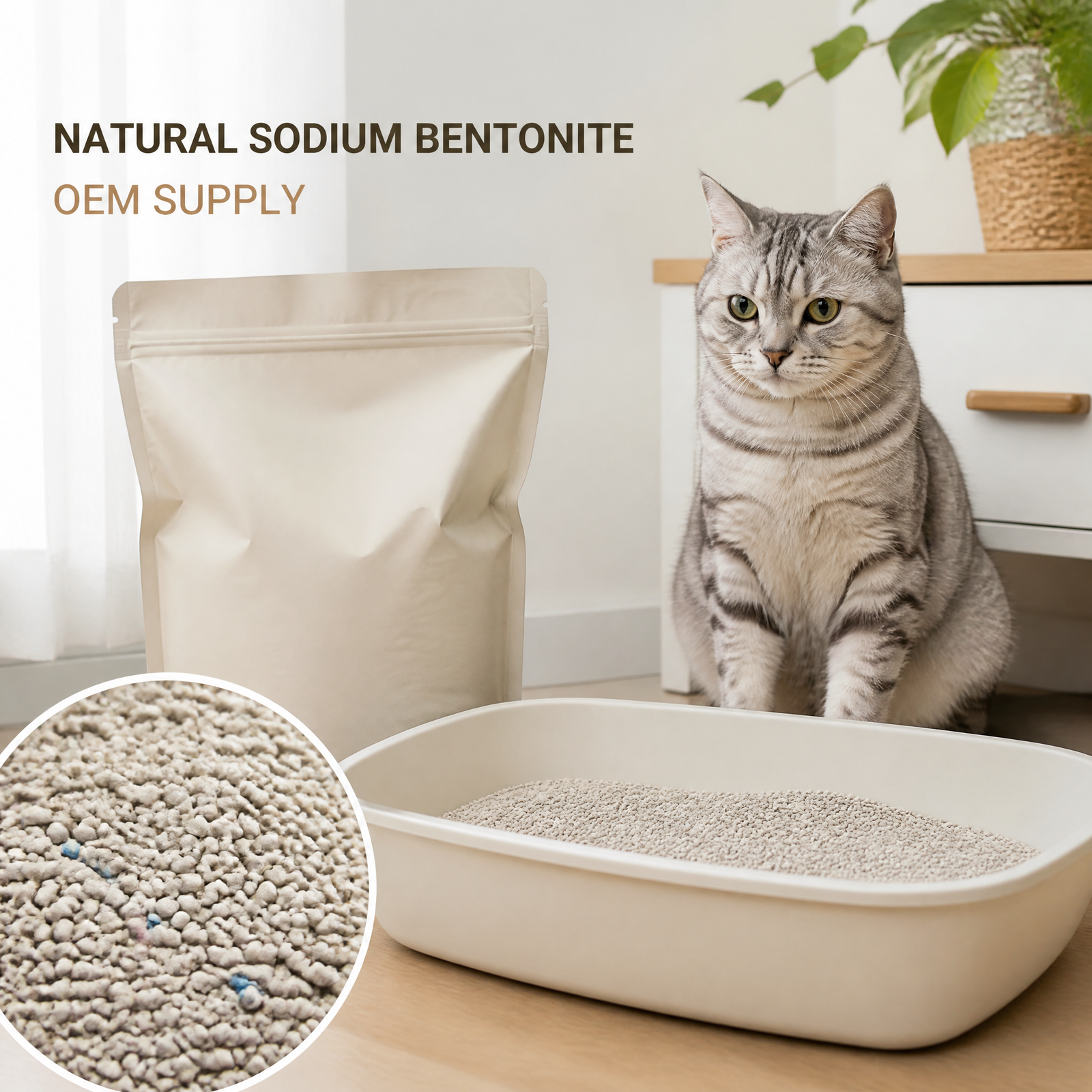



Almost every new pet brand hears both terms in the first sourcing call and assumes they’re interchangeable. They’re not, and picking the wrong one shapes your timeline, your cost structure, and how much control you keep over the final product.
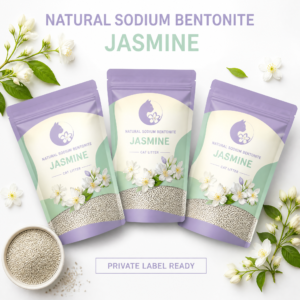
OEM: You Design, We Build
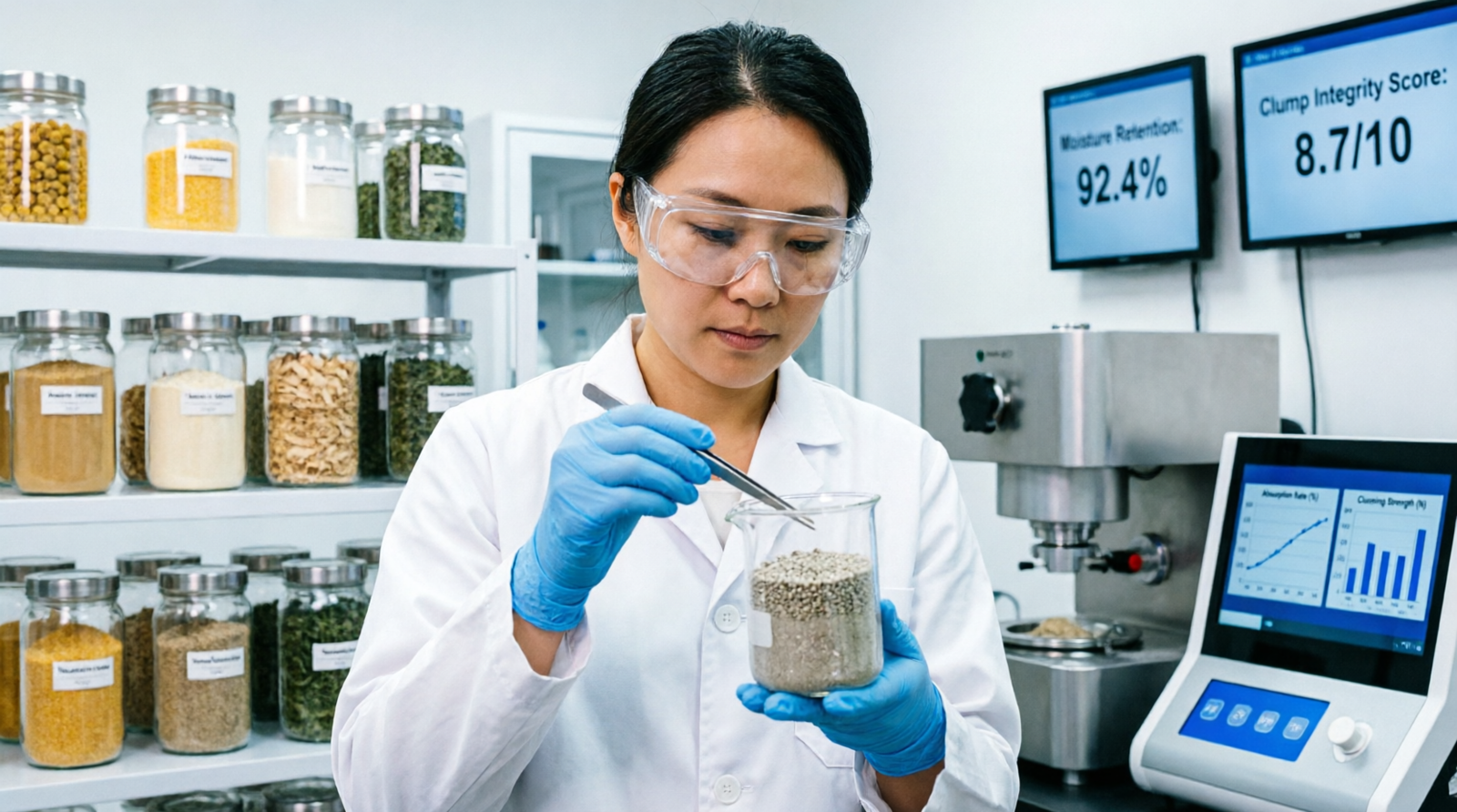
OEM (Original Equipment Manufacturer) means the factory builds your formula, your packaging, and your specs exactly as you hand them over. You bring a finished recipe — clumping strength targets, granule size, dust ceiling, scent profile — and the manufacturer executes it at scale. This route suits brands that already have R&D capability or a specific formula they’ve tested and just need production capacity. It gives maximum differentiation but requires you to arrive with real technical specs, not just a Pinterest board.
ODM: We Design, You Brand
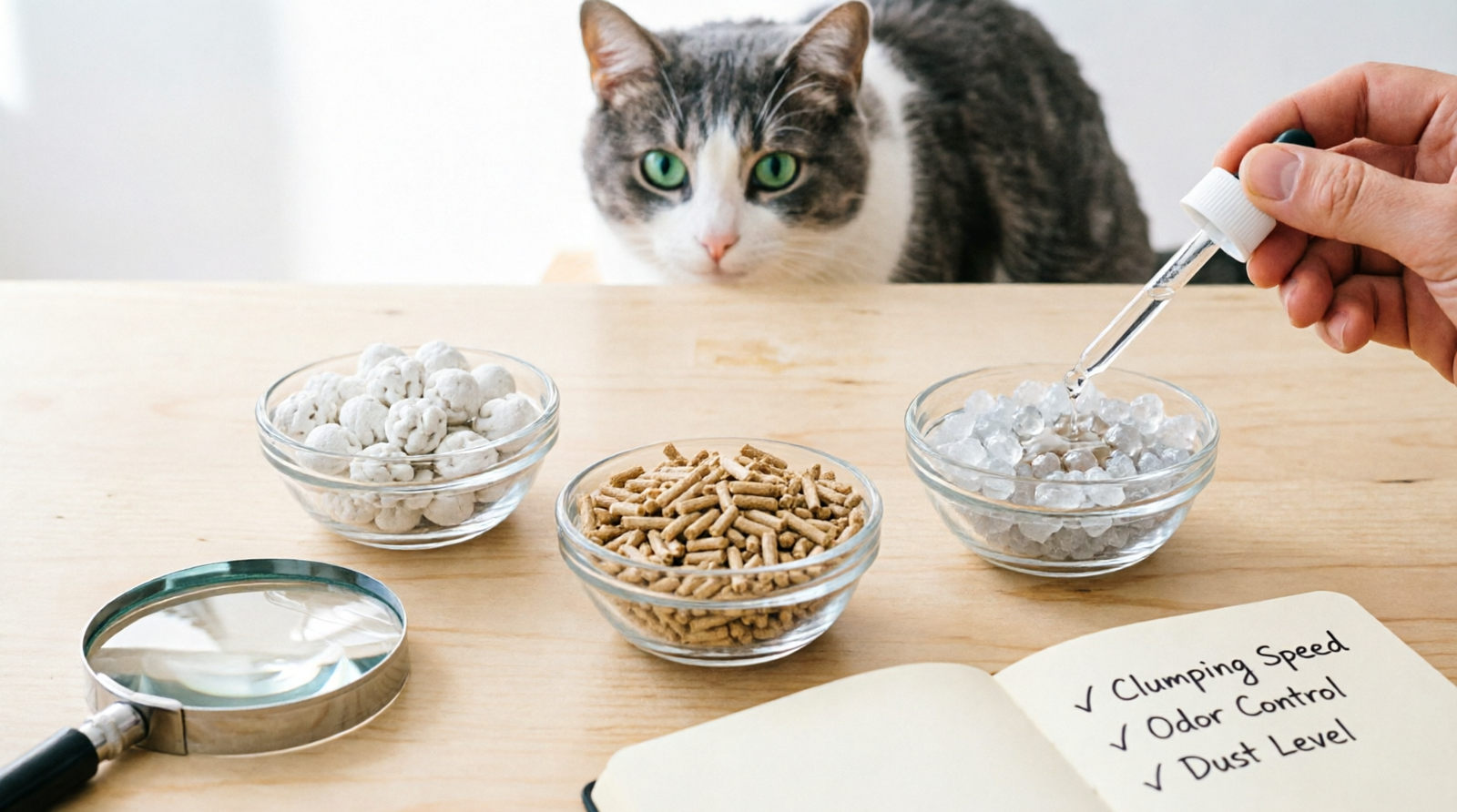
ODM (Original Design Manufacturer) flips the starting point. The factory already has a proven base formula and production line — say, a clumping bentonite or a tofu litter that’s been refined over years — and you select from existing options, then apply your own branding, packaging, and minor customization (scent, granule size within a range, bag format). This is the faster, lower-risk path for a first-time pet brand or DTC startup that wants a market-ready product without funding formula development from scratch.
The Practical Differences That Matter
- Lead time: ODM is almost always faster to first shipment since the formula is already validated — often 2-4 weeks shorter than OEM development cycles.
- MOQ: ODM programs frequently carry lower minimum order quantities because the factory isn’t retooling a line for a one-off recipe.
- IP and exclusivity: OEM formulas can be locked to your brand contractually; ODM base formulas are typically shared across multiple client brands unless you negotiate exclusivity clauses.
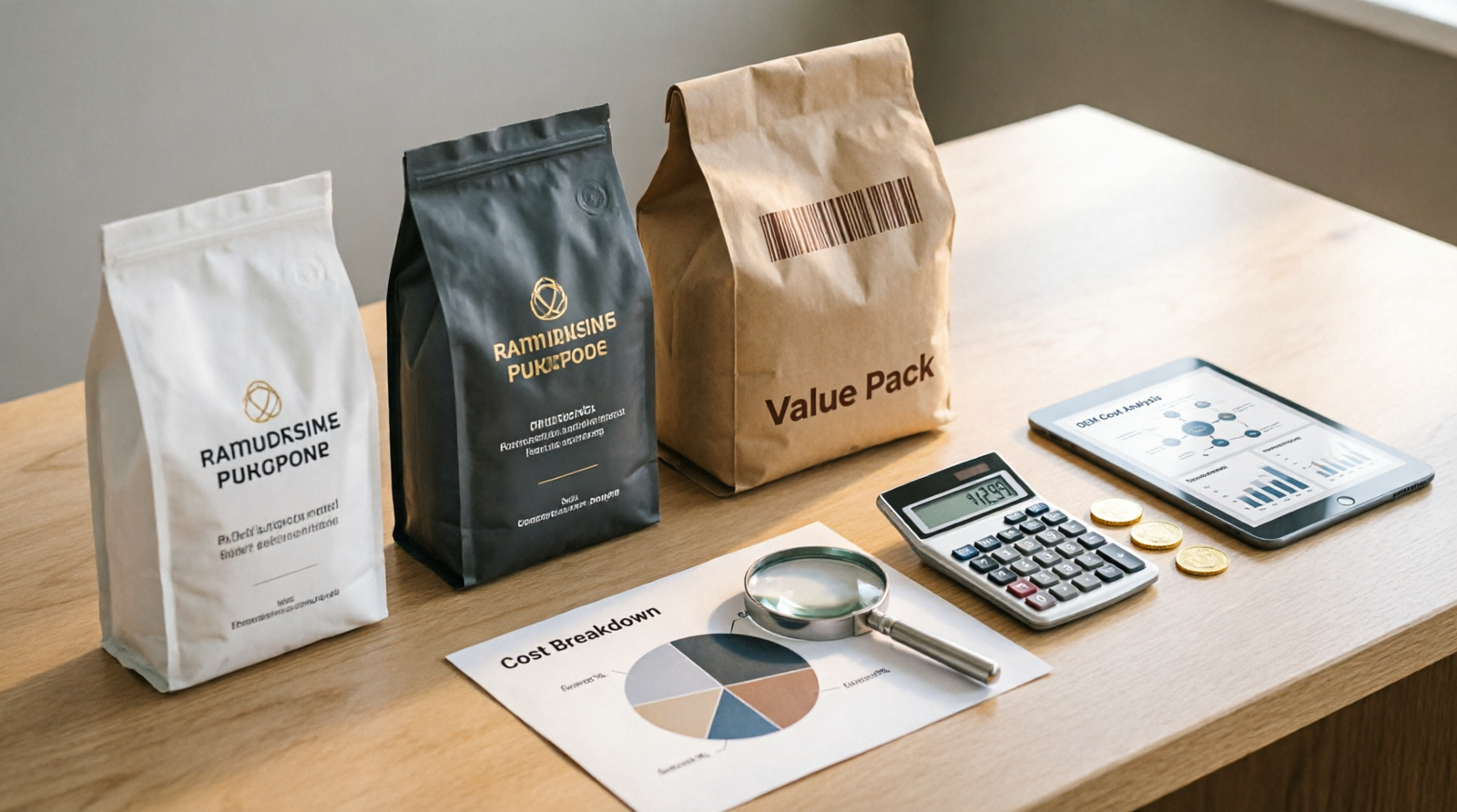
- Cost to launch: ODM has near-zero formulation cost. OEM development (lab trials, sample rounds, spec validation) is a real line item, though it can pay off at volume.
Which Should You Choose?
If you have a differentiated formula and the volume to justify it, OEM protects your positioning. If speed to market and lower upfront cost matter more than a proprietary formula, ODM gets you shelf-ready product faster. Many brands start ODM to prove demand, then migrate to OEM once volume justifies a custom line — a path worth discussing with your manufacturer upfront rather than assuming it’s fixed.