



Not all cat litter is created equal, even within the same category. Two bags of bentonite clay litter can perform completely differently on the shelf — one clumps into a solid ball you can scoop cleanly, the other crumbles and sticks to the litter box floor. For brands sourcing private-label litter, understanding **what actually drives quality** — versus what’s just marketing copy — is the difference between repeat customers and returns.
Here are the four factors that matter most.
## 1. Clumping Strength
**Clumping performance** comes down to particle size distribution and the ratio of **sodium bentonite** (for clay litters) or **binding agents** (for tofu and plant-based litters) in the formula. A well-formulated litter forms a **firm, scoopable clump** within seconds of contact with liquid — not a soft mass that breaks apart in the scoop. Poor clumping is one of the top complaints in negative reviews, and it’s almost always a formulation or raw-material-sourcing issue, not a packaging one.
## 2. Dust Control
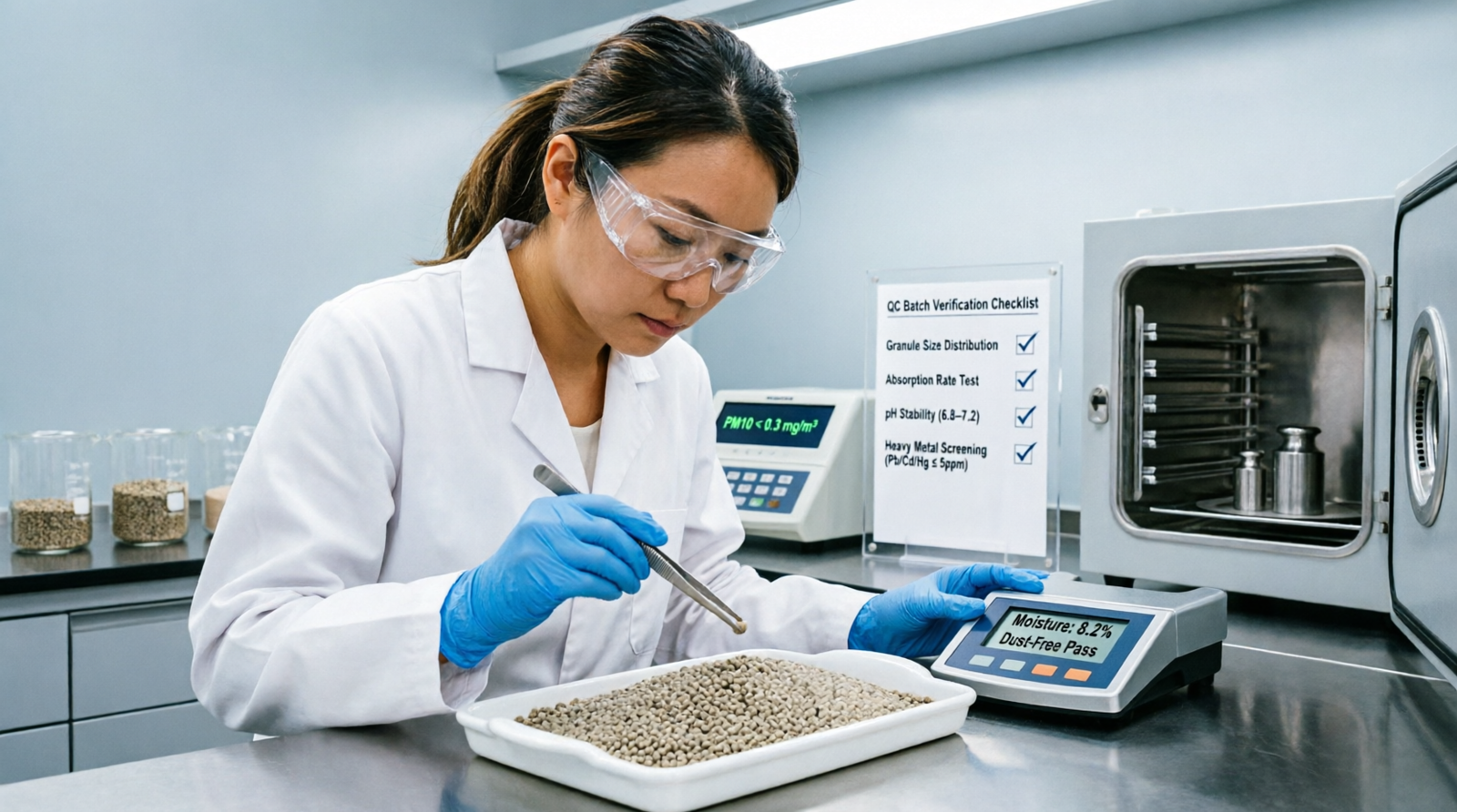
**Low-dust formulation** matters for two reasons: customer experience (nobody wants a cloud of dust every time they pour a bag) and respiratory safety for both cats and owners. Dust levels are controlled during processing — through **granule sizing, drying methods, and screening steps** that remove fine particulate before packaging. Brands should ask manufacturers directly about dust testing methods, since “low dust” claims without supporting process detail are often unverified marketing language.
## 3. Odor Control
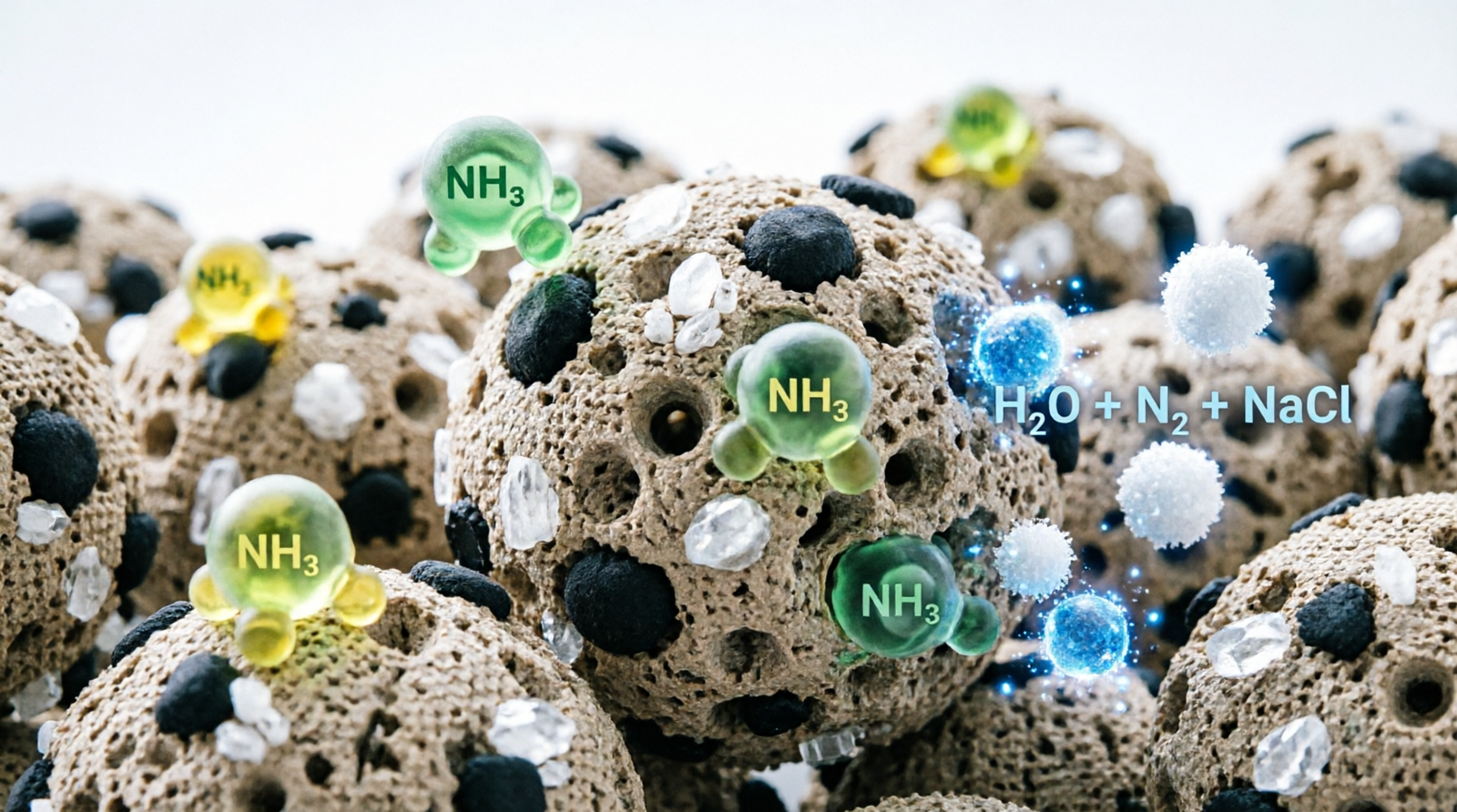
**Odor neutralization** works differently across litter types. Bentonite relies on natural mineral absorption plus optional **activated carbon or baking soda additives**. Silica gel litter uses **microporous structure** to trap moisture and odor-causing bacteria at the source. Tofu litter depends on **fast absorption and antibacterial coatings** to prevent odor before it starts. The right approach depends on the target customer — heavy-odor-control formulas often cost more to produce, so it’s a real sourcing tradeoff, not just a checkbox.
## 4. Absorbency Rate
**Absorbency** — how much liquid a given weight of litter can hold — determines both performance and how long a bag lasts the end customer. Higher absorbency generally means better value perception, but it also affects **raw material cost and shipping weight**, so it’s a factor that should be discussed explicitly with your manufacturing partner during formulation, not assumed.
## The Sourcing Takeaway
When evaluating a **private-label cat litter manufacturer**, ask to see actual clumping, dust, and absorbency test data — not just a sample bag. Quality that looks good in a single demo can vary significantly at production scale if the formulation isn’t tightly controlled batch to batch.
—