



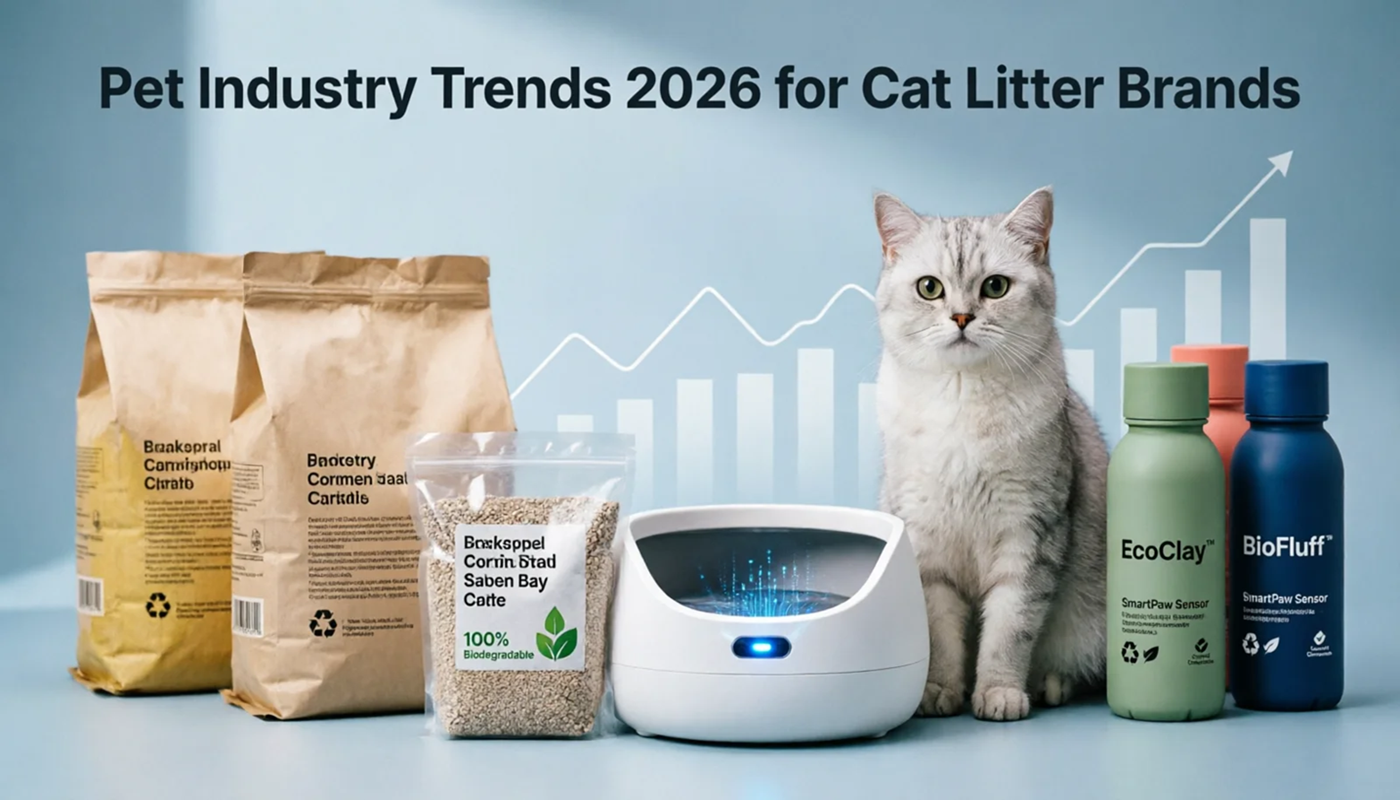

The global pet care market keeps proving it’s one of the more recession-resistant consumer categories out there. Even as households tighten spending elsewhere, pet owners consistently protect the budget line for their animals’ food, health, and comfort. For cat litter brands and private-label sellers, that resilience creates real opportunity — but only if you’re tracking where consumer demand is actually moving.
Here’s what we’re seeing shape the category this year.
1. Clumping and Odor Control Remain the Purchase Drivers
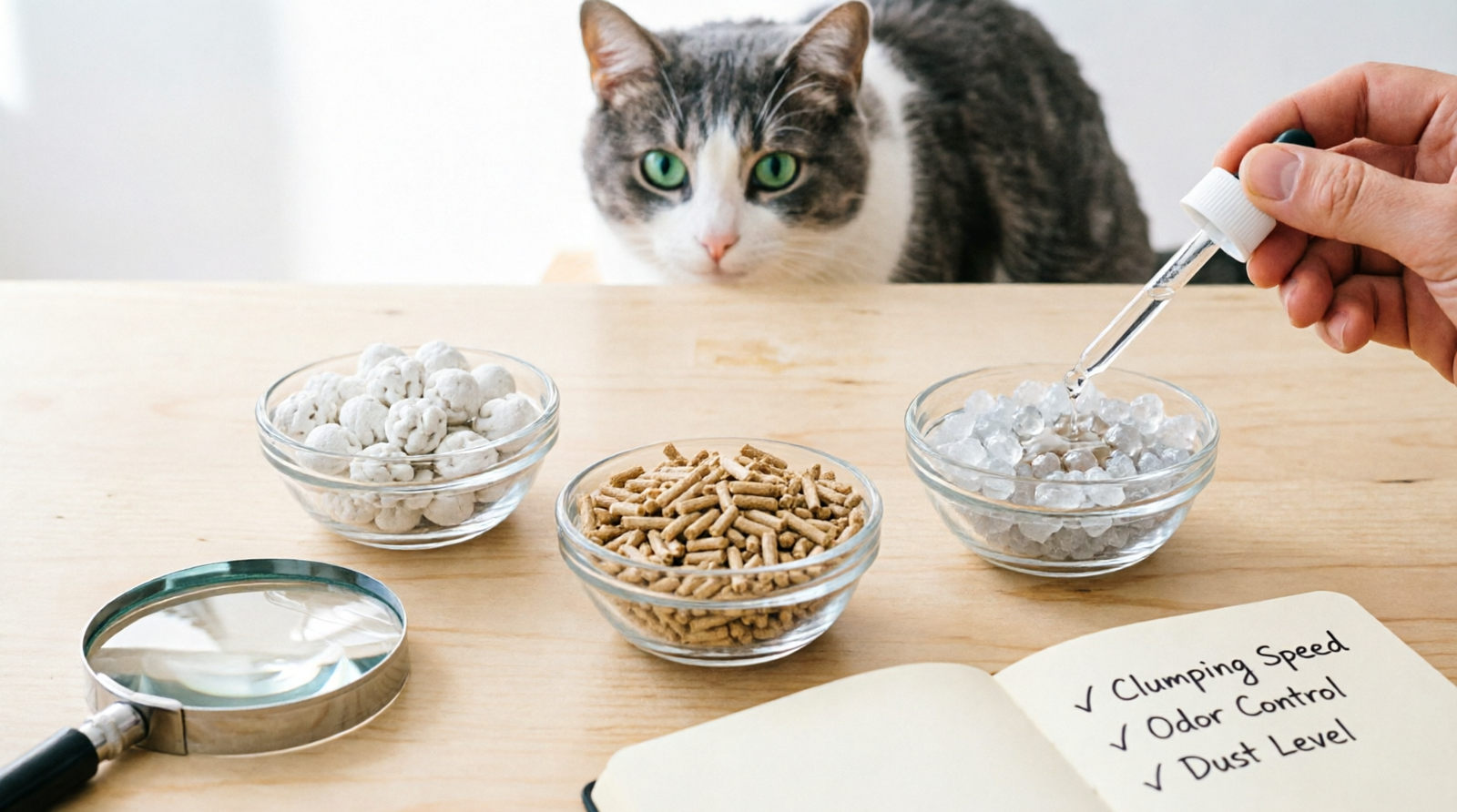
Across nearly every market we ship to, the two attributes that consistently win shelf space are fast, tight clumping and odor neutralization. Consumers are increasingly willing to pay a premium for litter that solves the “smell problem” in small apartments — a trend accelerated by more cat owners living in urban, space-constrained housing. Brands that can credibly claim low-dust, low-tracking formulas on top of strong clumping are best positioned to capture this segment.
2. Tofu and Plant-Based Litters Are Moving From Niche to Mainstream
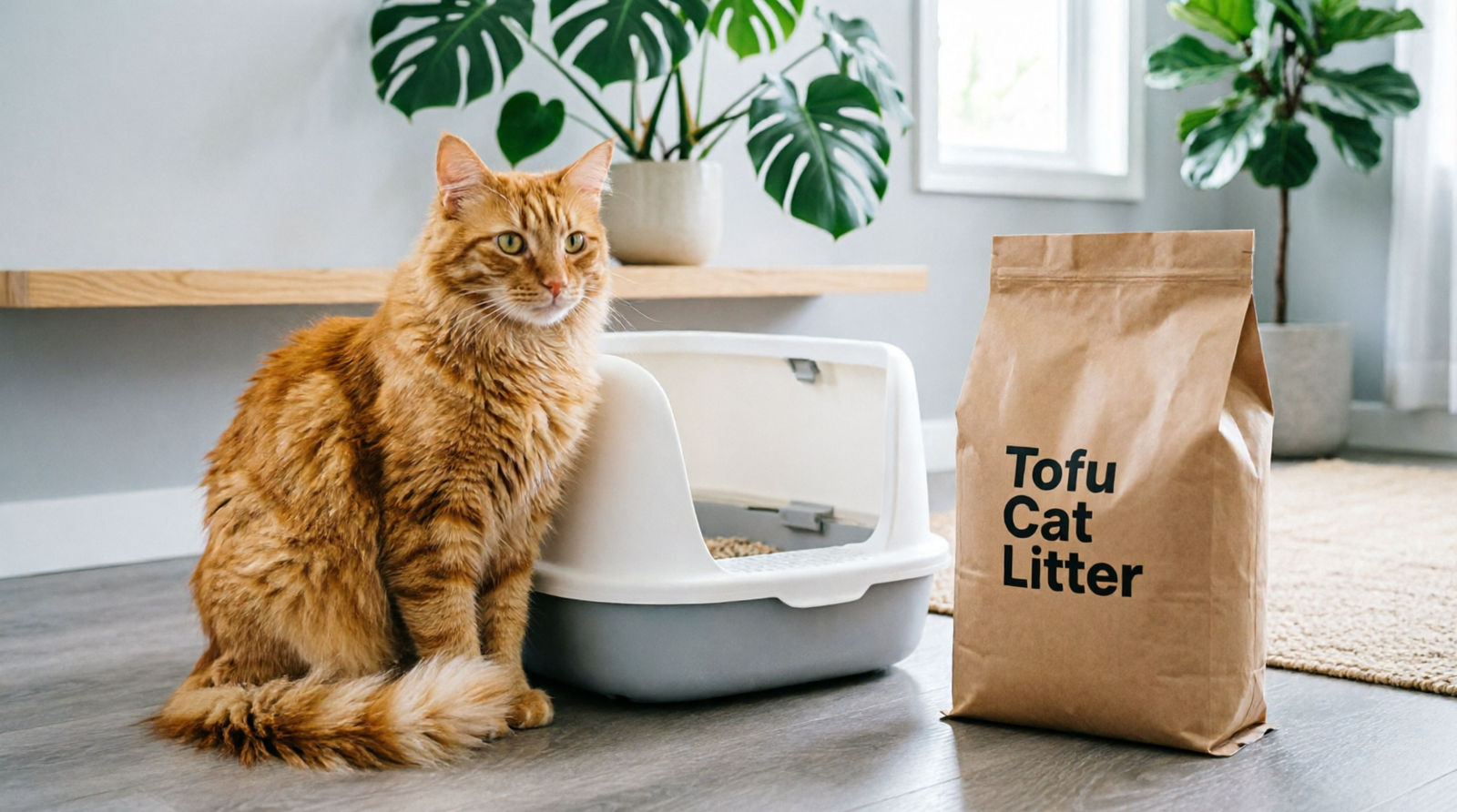
What used to be a small, premium-priced category is broadening. Tofu litter — flushable, lightweight, and marketed as more sustainable — is showing up in more mainstream retail assortments, not just specialty pet shops. This mirrors a broader sustainability-conscious consumer shift seen across pet products generally: recyclable packaging, biodegradable materials, and lower-dust manufacturing processes are becoming differentiators rather than afterthoughts.
3. E-Commerce and DTC Brands Are Reshaping Private Label
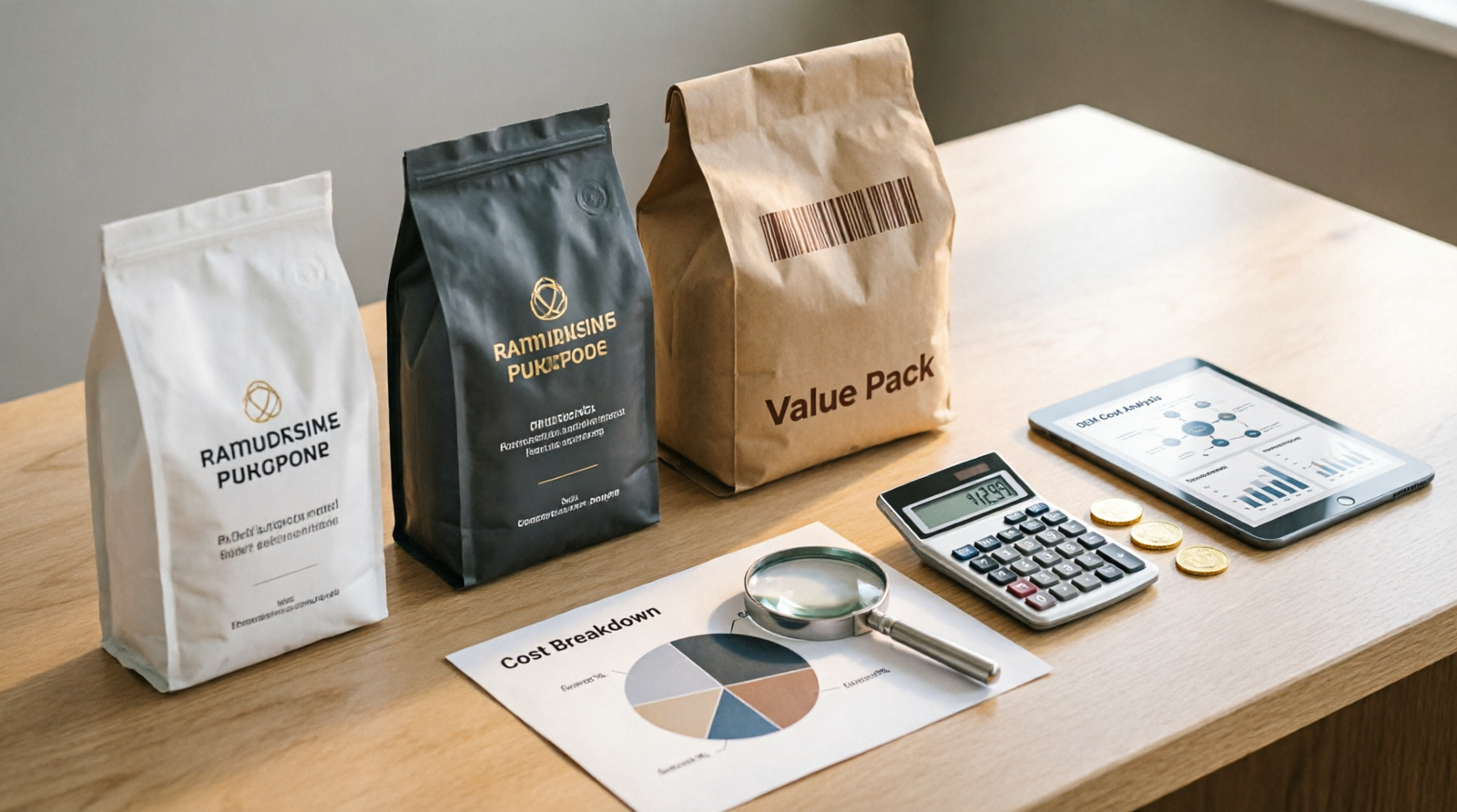
More independent and DTC pet brands are entering the litter category than in past years, largely enabled by accessible OEM/ODM manufacturing partnerships that lower the barrier to launching a private-label product. This means competition is increasing at the brand level even as manufacturing consolidates around fewer, more capable factories that can handle formulation, quality control, and flexible packaging runs.
4. Multi-Cat Households Are Driving Bulk and Subscription Formats
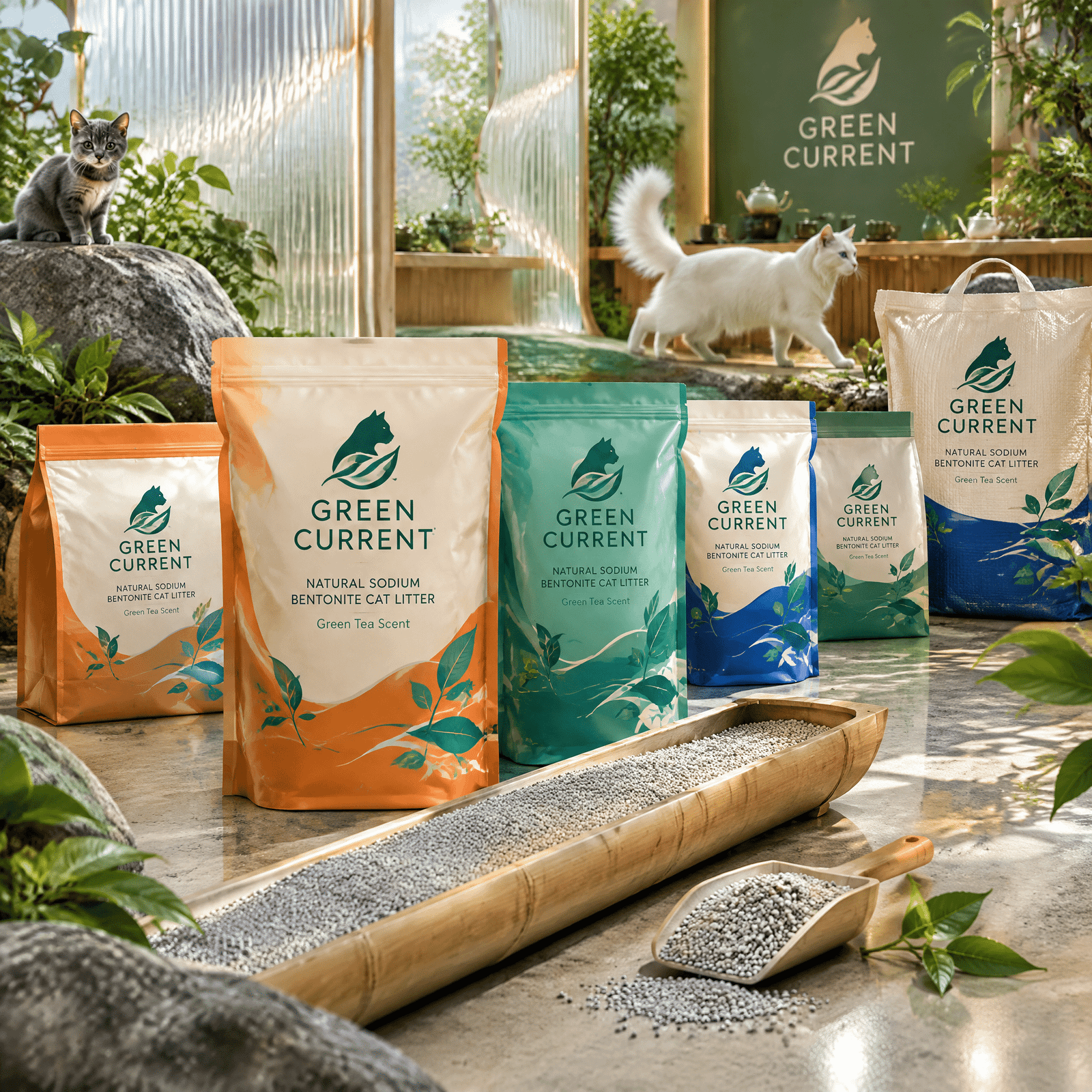
As multi-cat ownership rises, especially in North America and parts of Europe, demand for larger bag sizes and subscription/auto-ship formats is growing. Brands that can offer flexible case-pack and bulk configurations through their manufacturing partner have an edge in capturing this segment without redesigning packaging from scratch.
5. Regional Demand Is Shifting East
While North America and Europe remain the largest established markets, pet ownership growth in parts of Asia — including urban China — is outpacing more mature markets. For manufacturers already based in China, like Acmic, this is a natural growth lane: shorter logistics chains for regional distribution and firsthand visibility into emerging local consumer preferences.
What This Means for Your Brand
None of these trends require reinventing your product line overnight. They do suggest that formulation flexibility, sustainable material options, and manufacturing partners who can move quickly on packaging and pack-size changes are becoming more valuable than ever. If your current OEM/ODM partner can’t adapt to these shifts, that’s worth a conversation.
General industry observations above are directional, not sourced statistics — treat them as informed context rather than cited figures.