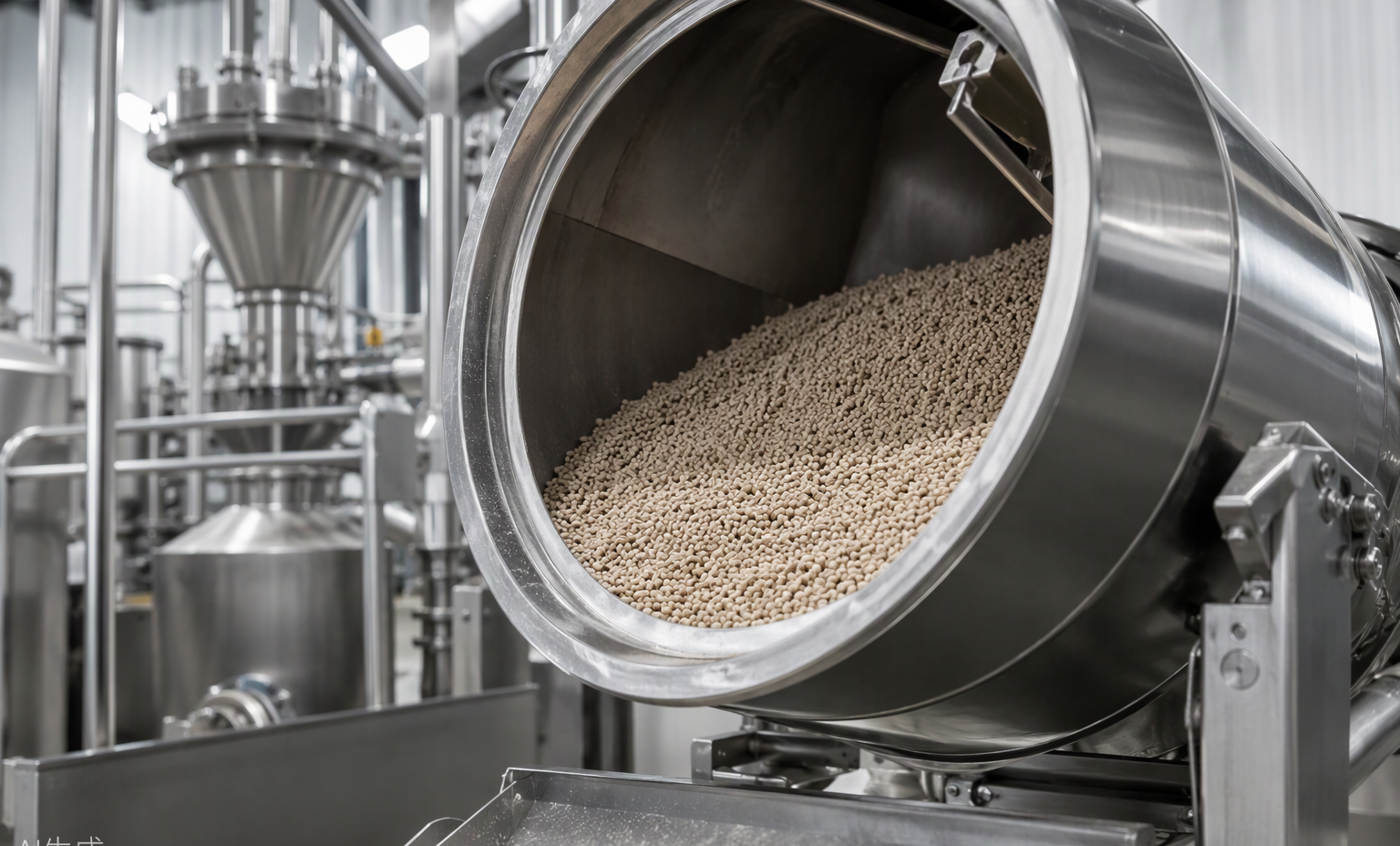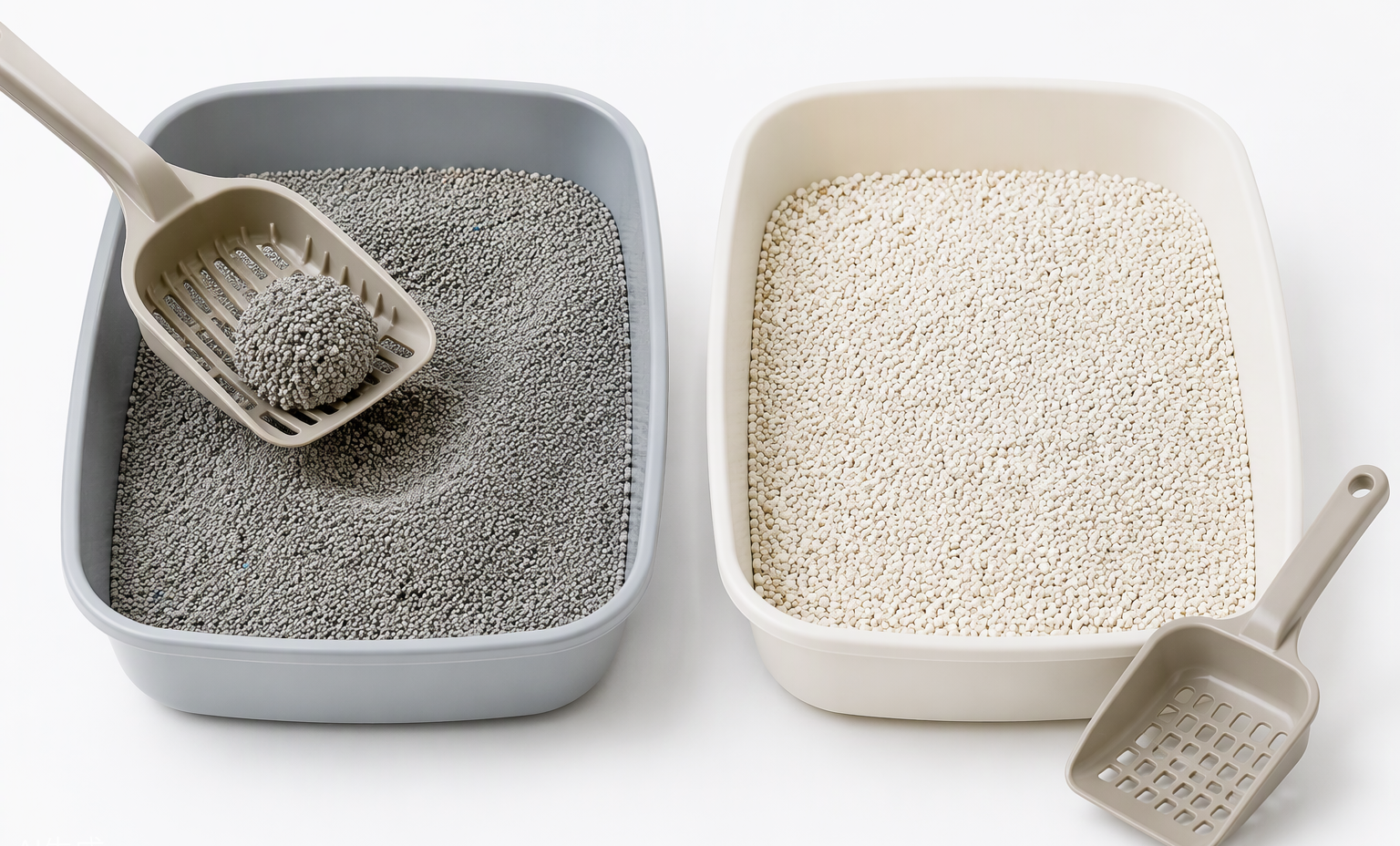

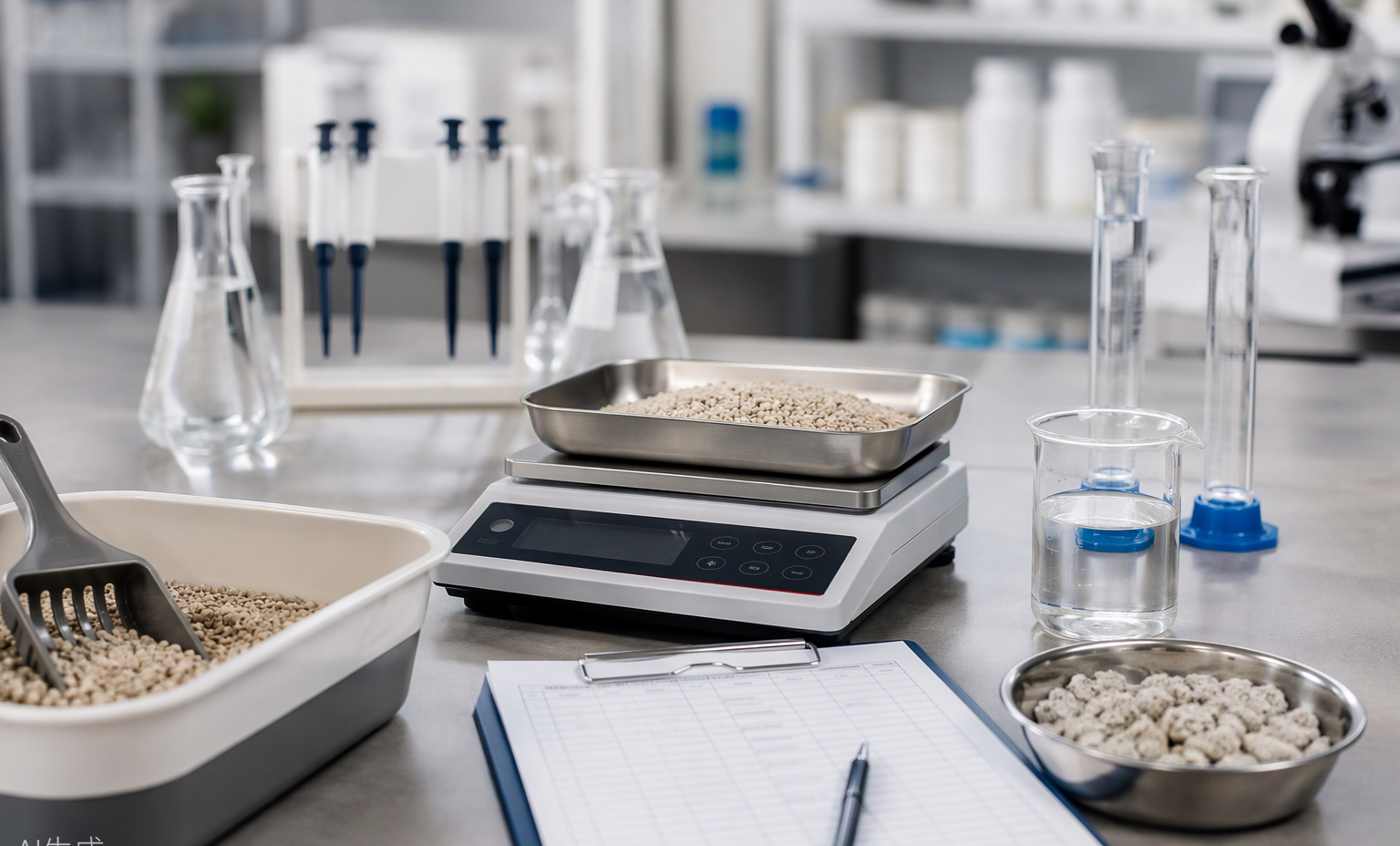

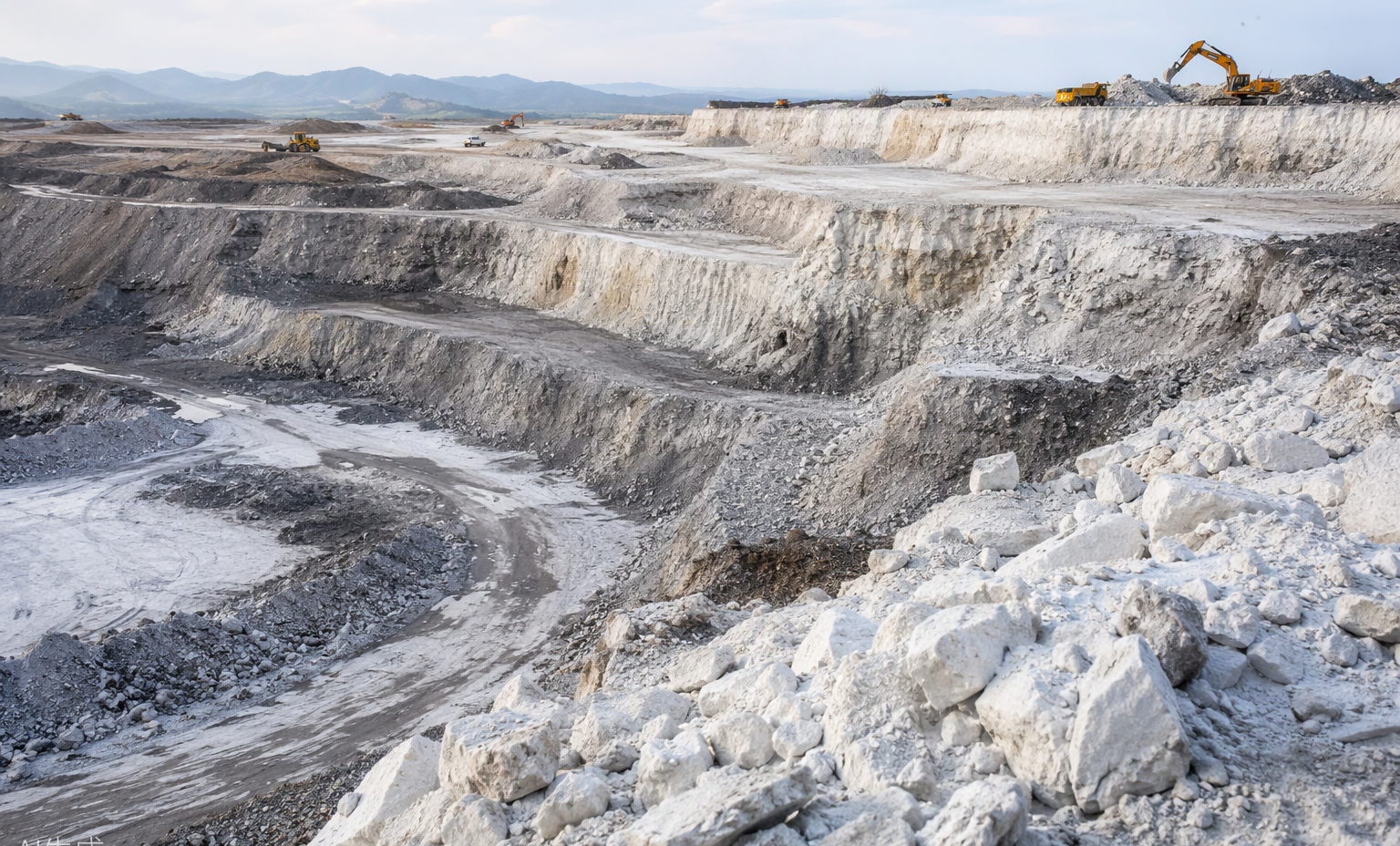

Two factories can buy the “same” material and ship very different litter. Raw material origin, grade and handling set the ceiling for everything downstream — clump strength, dust, odor performance and batch consistency. Understanding where the main inputs come from helps you ask sharper questions of any OEM partner.
Bentonite: A Mined Mineral, Not a Commodity
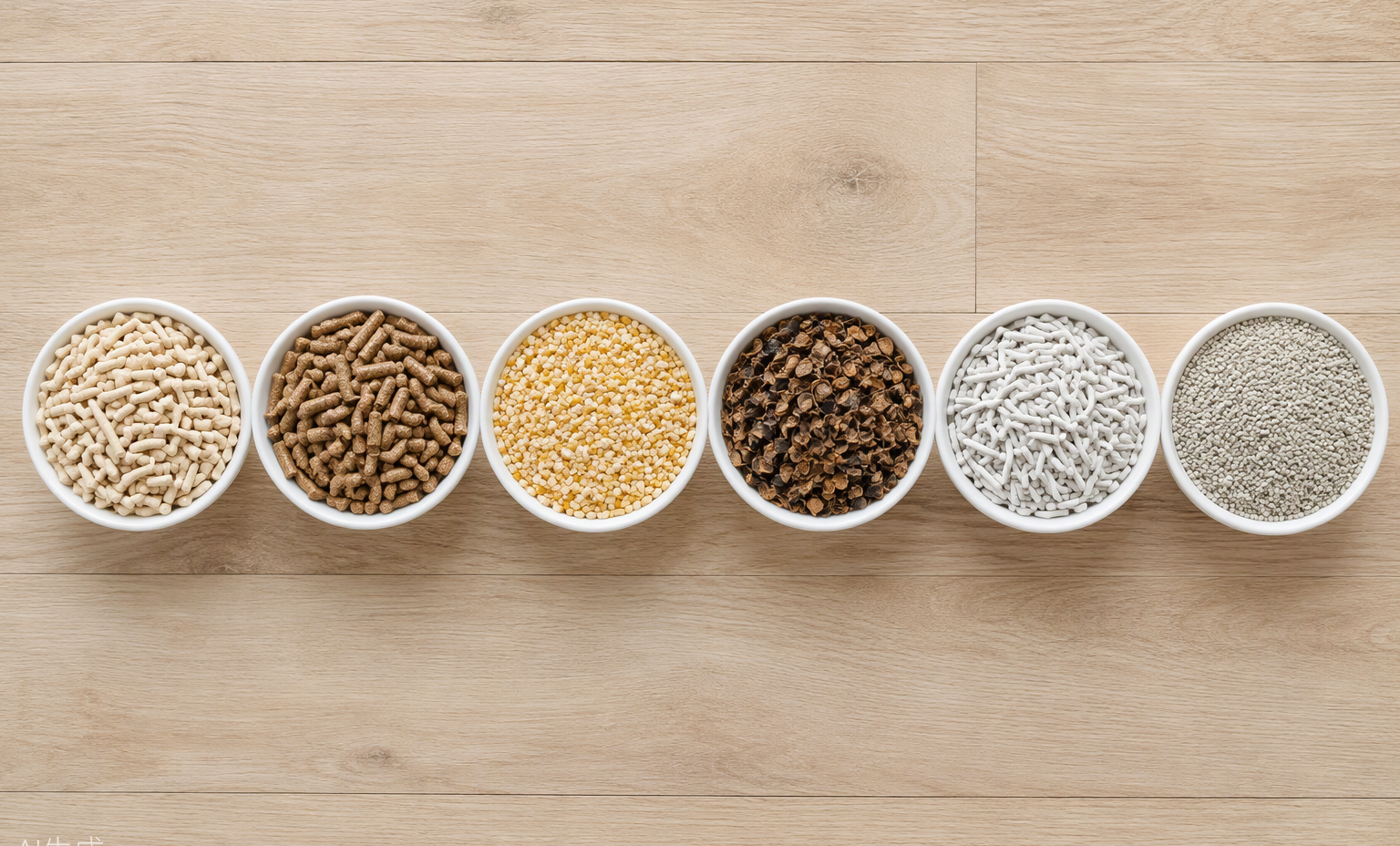
Bentonite is mined clay, and deposits vary. Sodium bentonite swells strongly and forms hard clumps — it’s the basis of premium clumping litter. Calcium bentonite absorbs well but doesn’t clump the same way. Even within sodium bentonite, the ore grade, drying method and milling all affect the final granule. A manufacturer with stable mine relationships and incoming-material testing produces consistent litter; one buying spot-market clay ships you variability.
Tofu: A Food-Industry Byproduct With Food-Safety Needs
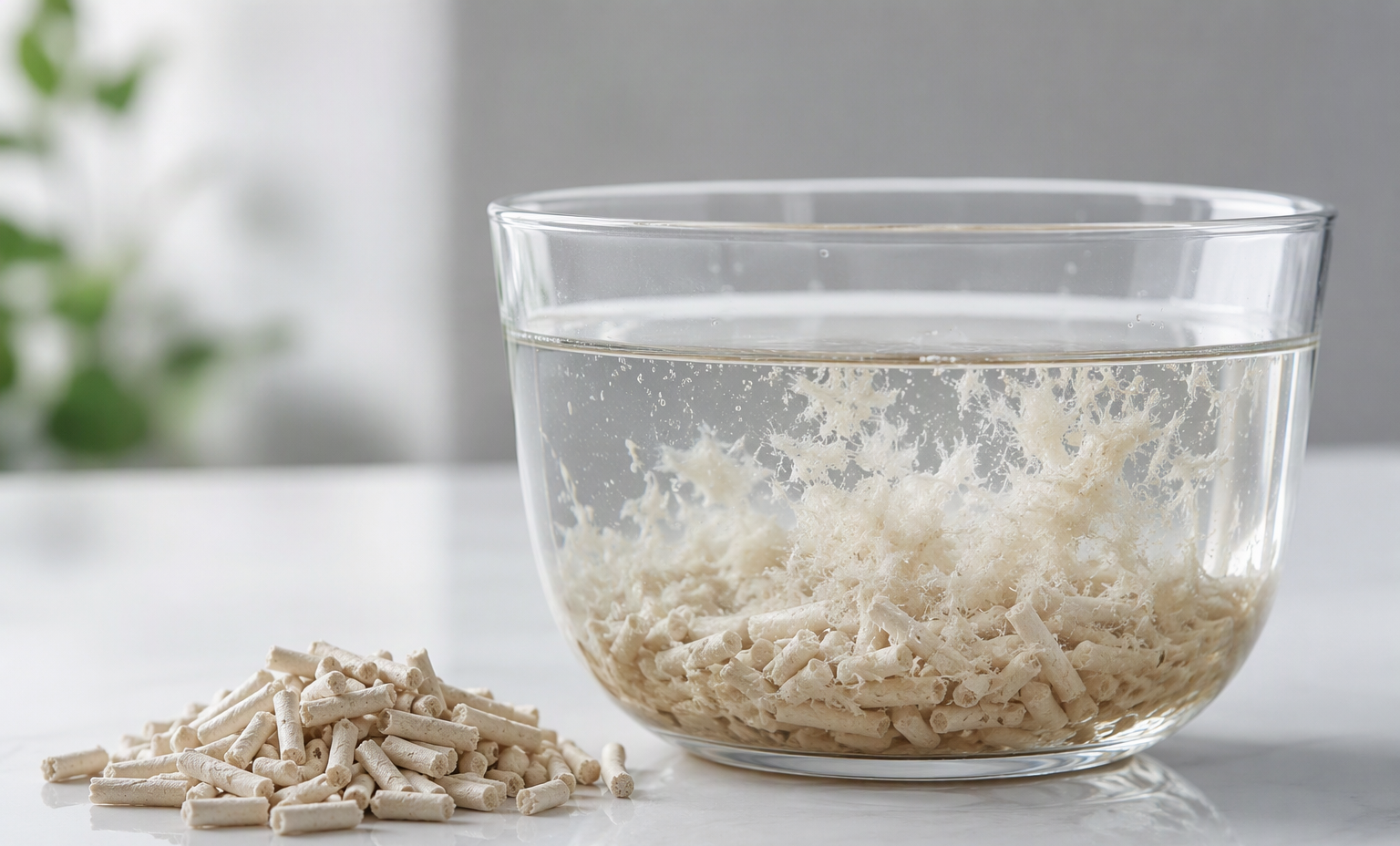
Tofu litter starts as soybean residue (okara) from soy food production, mixed with plant starches and formed into pellets. Because it’s organic material, freshness and moisture control at intake are critical — old or damp okara raises mold risk that no amount of later drying fully fixes. The better factories treat raw material acceptance like a food process: supplier qualification, moisture limits and microbiological checks at the door.
Silica Gel: Synthetic and Consistent — If the Chemistry Is Right
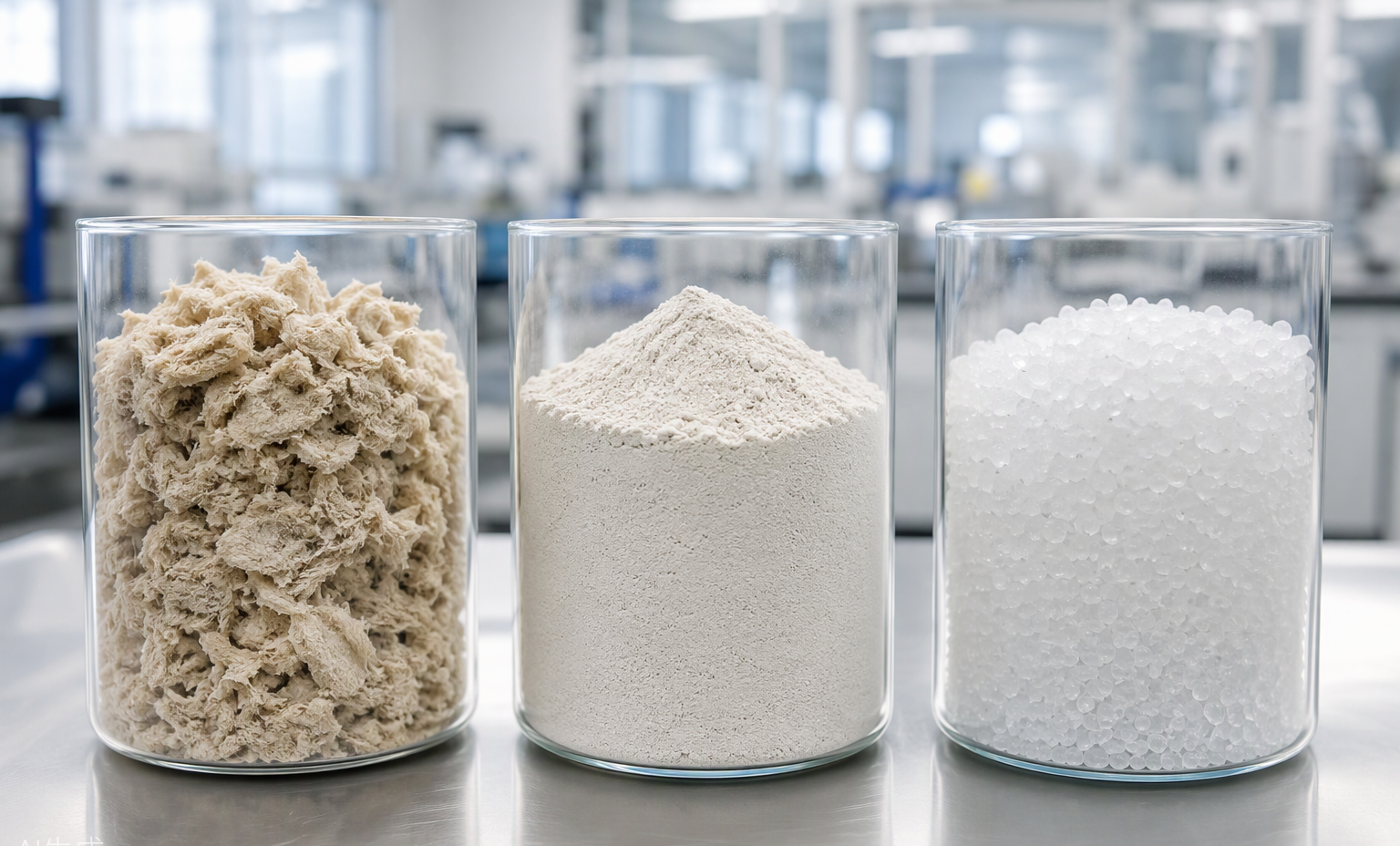
Silica gel litter is synthesized from sodium silicate, so it’s less exposed to harvest cycles than mineral or plant materials. Quality differences come from pore structure and bead integrity — how much the beads absorb before saturation and how well they resist crumbling into dust. Consistent feedstock and controlled processing matter more than geography here.
Why This Matters for Buyers
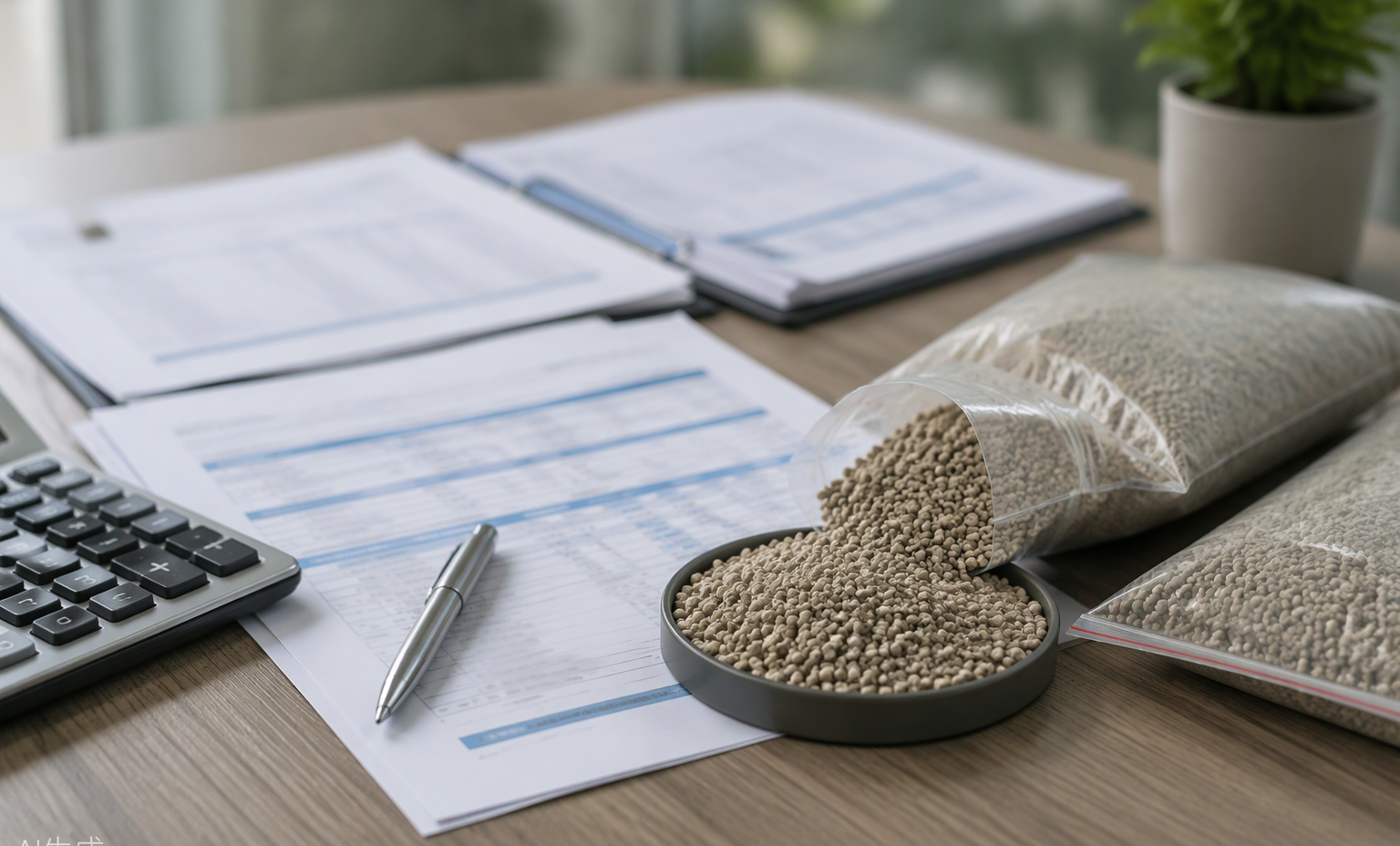
Raw material sourcing shows up in your business as three things: consistency (does container ten match container one?), price stability (agricultural and mineral inputs swing with harvests and mining output), and lead time reliability (a factory short on quality raw material slips your production slot). None of these appear on a sample — they only appear in a supplier’s sourcing discipline.
What to Ask Your OEM Partner
Practical questions that reveal sourcing maturity: Where do your main raw materials come from, and do you have qualified backup suppliers? What incoming QC do raw materials go through? How do you handle a raw material batch that fails intake? And can you trace a finished lot back to its raw material batches? A factory that answers these crisply is one you can build a range on.
At Acmic, incoming raw material inspection is the first step of production for our bentonite, tofu and silica cat litter lines, with traceability from raw batch to finished lot for every OEM and ODM partner. Contact us to learn more about our sourcing standards.