

Deposits, Balances and Trade Assurance: How to Pay a Cat Litter Supplier Safely

Recent posts

Flushable Cat Litter: What the Claim Really Means for Private-Label Brands

Flushable Cat Litter: What the Claim Really Means for Private-Label Brands

The Rise of Private Label in Pet Retail: Why Store Brands Are Moving Into Cat Litter

The Rise of Private Label in Pet Retail: Why Store Brands Are Moving Into Cat Litter

Beyond Bentonite and Tofu: A Buyer's Guide to Alternative Cat Litter Materials

Beyond Bentonite and Tofu: A Buyer’s Guide to Alternative Cat Litter Materials

Comparing Cat Litter Quotes: Why the Cheapest Price Per Ton Can Cost You More

Comparing Cat Litter Quotes: Why the Cheapest Price Per Ton Can Cost You More

Inside the QC Lab: The Standard Tests Every Cat Litter Batch Should Pass

Inside the QC Lab: The Standard Tests Every Cat Litter Batch Should Pass

Why Cats Are Winning the Urban Pet Race — and What It Means for Litter Demand

Why Cats Are Winning the Urban Pet Race — and What It Means for Litter Demand

social share

Send Message

Deposits, Balances and Trade Assurance: How to Pay a Cat Litter Supplier Safely

Deposits, Balances and Trade Assurance: How to Pay a Cat Litter Supplier Safely

Sourcing cat litter from an overseas manufacturer means paying significant money to a company you may never visit. The good news: payment risk is manageable if you understand the standard structures and refuse the arrangements that experienced buyers never accept. Here’s how payment typically works — and how to protect yourself.

The Standard Payment Setups

Most OEM cat litter orders use T/T (telegraphic transfer) with a deposit and balance: typically a deposit to start production and the balance against shipping documents. The deposit secures your production slot and covers the factory’s raw material purchases; the balance keeps them motivated to ship on time and to spec. Letters of credit add bank-enforced conditions for larger orders but cost more in fees and paperwork. Platform-based trade assurance programs hold payment in escrow and release it when you confirm the goods — useful for first orders with a new supplier, with the caveat that dispute resolution follows the platform’s rules, not yours.

Any structure that removes your leverage before goods are verified shifts risk entirely onto you.

Before You Pay the Deposit

The deposit is your point of no return, so do the verification first:

  • Confirm the company behind the proforma invoice — registration details, address, years in business.
  • Check the bank account name matches the company name exactly. A request to pay a personal account or an unrelated company is a hard stop.
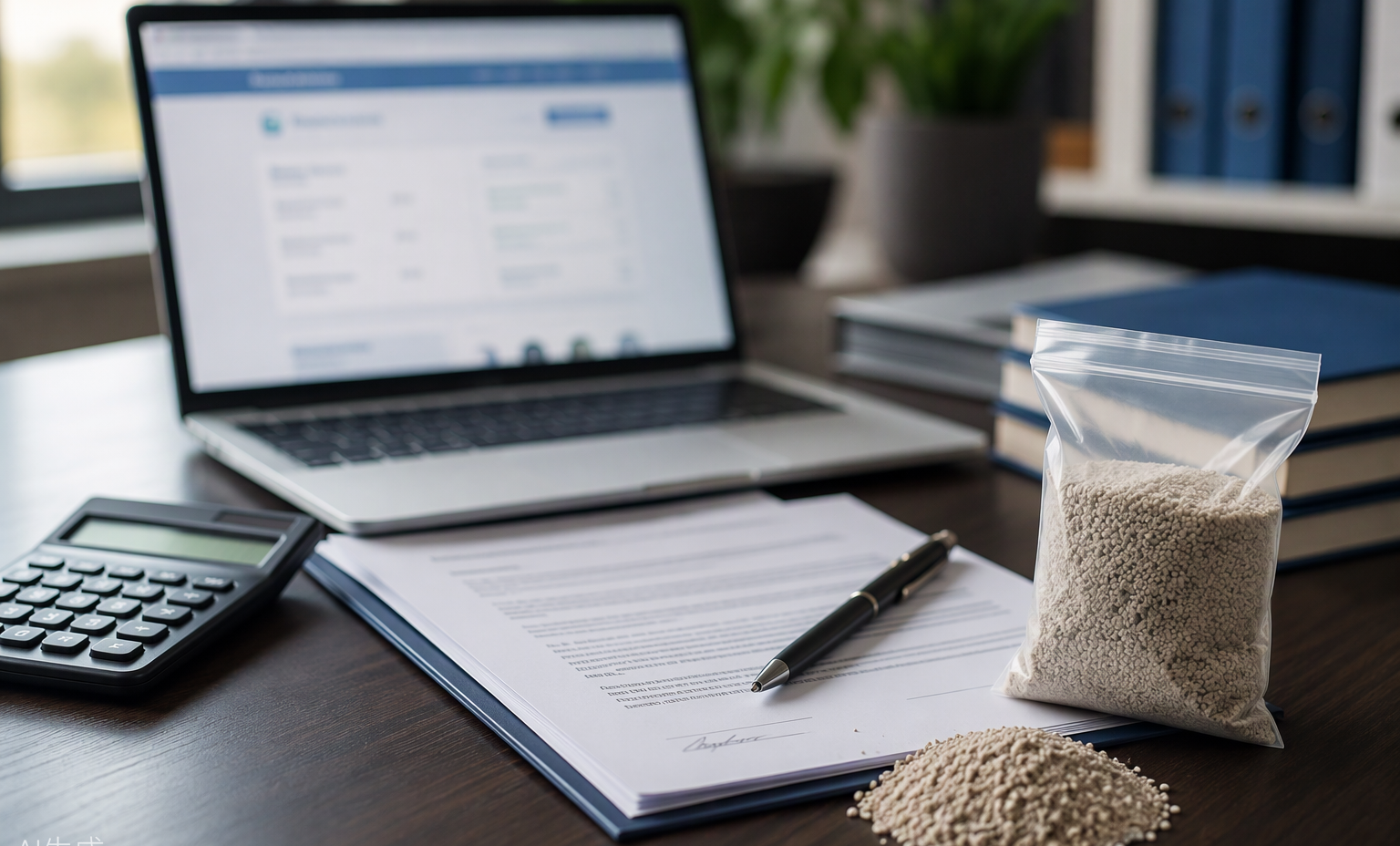
  • Get the proforma invoice in writing with product spec, quantity, packaging, Incoterm, lead time and payment terms — it is your reference document if anything is disputed later.

Red Flags Experienced Buyers Walk Away From

100% payment upfront for production orders, pressure to pay quickly to “hold a price,” bank details that change mid-negotiation by email, and reluctance to put terms in writing. None of these are worth any discount. Also be wary of prices far below market — in cat litter, that usually means underweight bags, higher dust or moisture, or a factory that won’t exist when you reorder.

Structuring Your First Orders

Start with a trial order at or near the supplier’s MOQ rather than a full program. Pay the deposit only against a complete proforma invoice, and make the balance conditional on verification — your own pre-shipment inspection or a third-party inspector’s report confirming quantity and quality before the container closes. Once a supplier has shipped two or three clean orders, you can relax terms gradually.
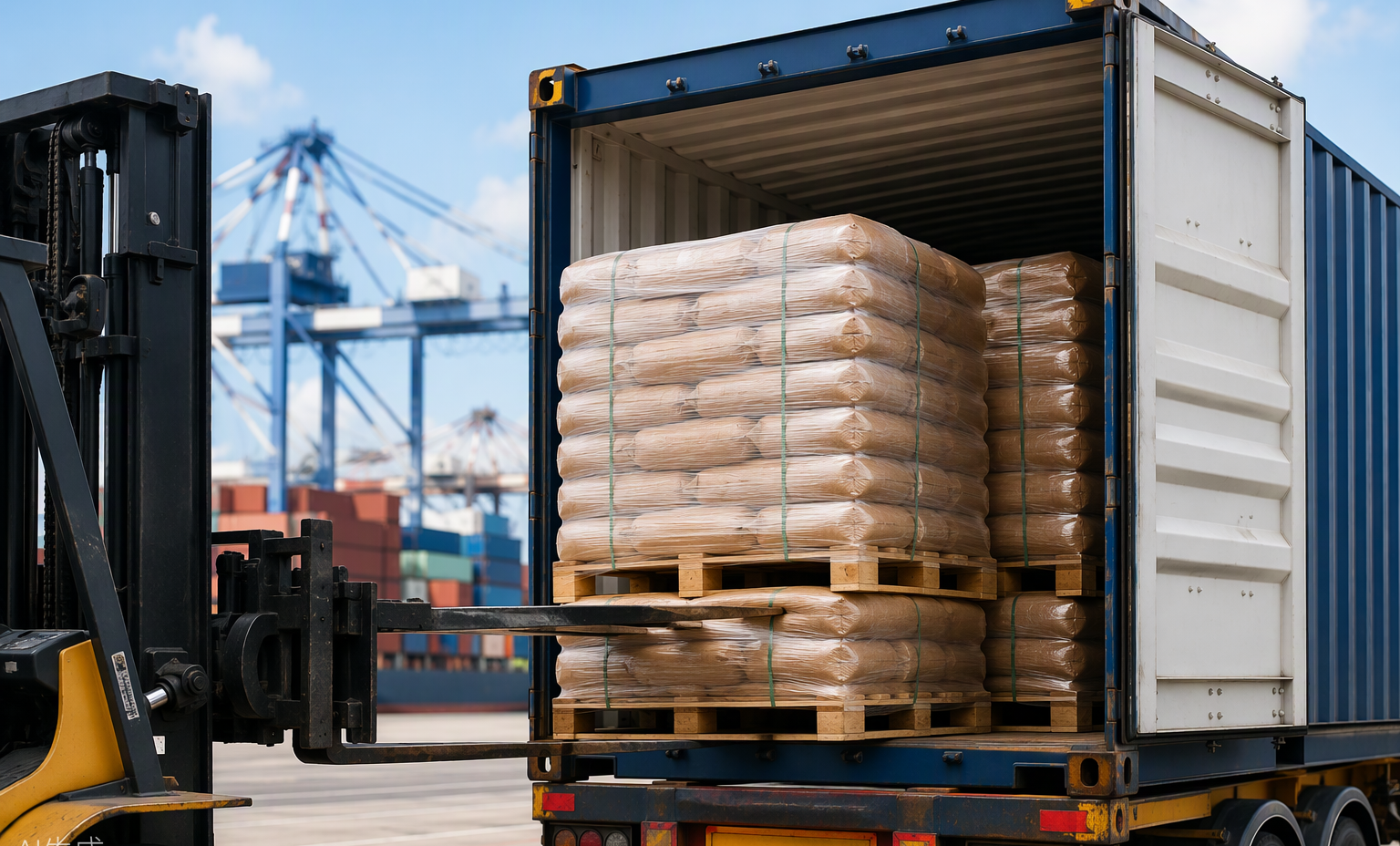
Pallets of litter bags being loaded into a container — the moment before the balance payment is due

Payment discipline isn’t distrust — it’s how professional buyers and professional factories both prefer to work. At Acmic, we work with clear written terms, standard deposit-and-balance structures and pre-shipment verification for every OEM and ODM partner. Contact us to discuss your first order.
Leave a Comment

Your email address will not be published. Required fields are marked *

Related blogs

Flushable Cat Litter: What the Claim Really Means for Private-Label Brands

Flushable Cat Litter: What the Claim Really Means for Private-Label Brands

The Rise of Private Label in Pet Retail: Why Store Brands Are Moving Into Cat Litter

The Rise of Private Label in Pet Retail: Why Store Brands Are Moving Into Cat Litter

Beyond Bentonite and Tofu: A Buyer's Guide to Alternative Cat Litter Materials

Beyond Bentonite and Tofu: A Buyer’s Guide to Alternative Cat Litter Materials

Comparing Cat Litter Quotes: Why the Cheapest Price Per Ton Can Cost You More

Comparing Cat Litter Quotes: Why the Cheapest Price Per Ton Can Cost You More

Inside the QC Lab: The Standard Tests Every Cat Litter Batch Should Pass

Inside the QC Lab: The Standard Tests Every Cat Litter Batch Should Pass

Why Cats Are Winning the Urban Pet Race — and What It Means for Litter Demand

Why Cats Are Winning the Urban Pet Race — and What It Means for Litter Demand

Custom Scents and Additives: How Cat Litter Customization Actually Works in OEM Production

Custom Scents and Additives: How Cat Litter Customization Actually Works in OEM Production

Clumping vs Non-Clumping Cat Litter: What Should Your Range Stock?

Clumping vs Non-Clumping Cat Litter: What Should Your Range Stock?

Where Cat Litter Raw Materials Come From — and Why Your Supplier's Sourcing Matters

Where Cat Litter Raw Materials Come From — and Why Your Supplier’s Sourcing Matters

How Cat Litter Odor Control Works: Activated Carbon, Baking Soda, Fragrance and More

Scroll to Top

Scan It

Scan It