



When cat litter quotes land in your inbox, the instinct is to sort by price per ton and call the top three. Experienced buyers know that number is nearly meaningless on its own. Quotes differ in what’s included, what spec sits behind the price, and what the product costs by the time it reaches your warehouse. Here’s how to compare them properly.
First, Check What the Price Actually Covers
The same ton of litter can be quoted EXW, FOB, CIF or DDP — terms that shift thousands of dollars of freight, insurance and port cost between buyer and seller. A quote that looks 10% cheaper can easily be the most expensive once you normalize everyone to the same Incoterm. Beyond terms, check whether the price includes your packaging (printed bags in your design) or plain stock bags, and whether palletizing and container loading are covered.
The Hidden Line Items
Quotes often exclude costs that appear later:
- Printing plates or film setup for custom packaging — a one-time but real cost.
- Bag upgrades — moisture-barrier laminates, PE liners, handles, resealable zippers.
- Sampling and testing fees, and charges for QC documentation or third-party inspection.
- Minimum order surcharges if your trial order sits below the quoted volume tier.
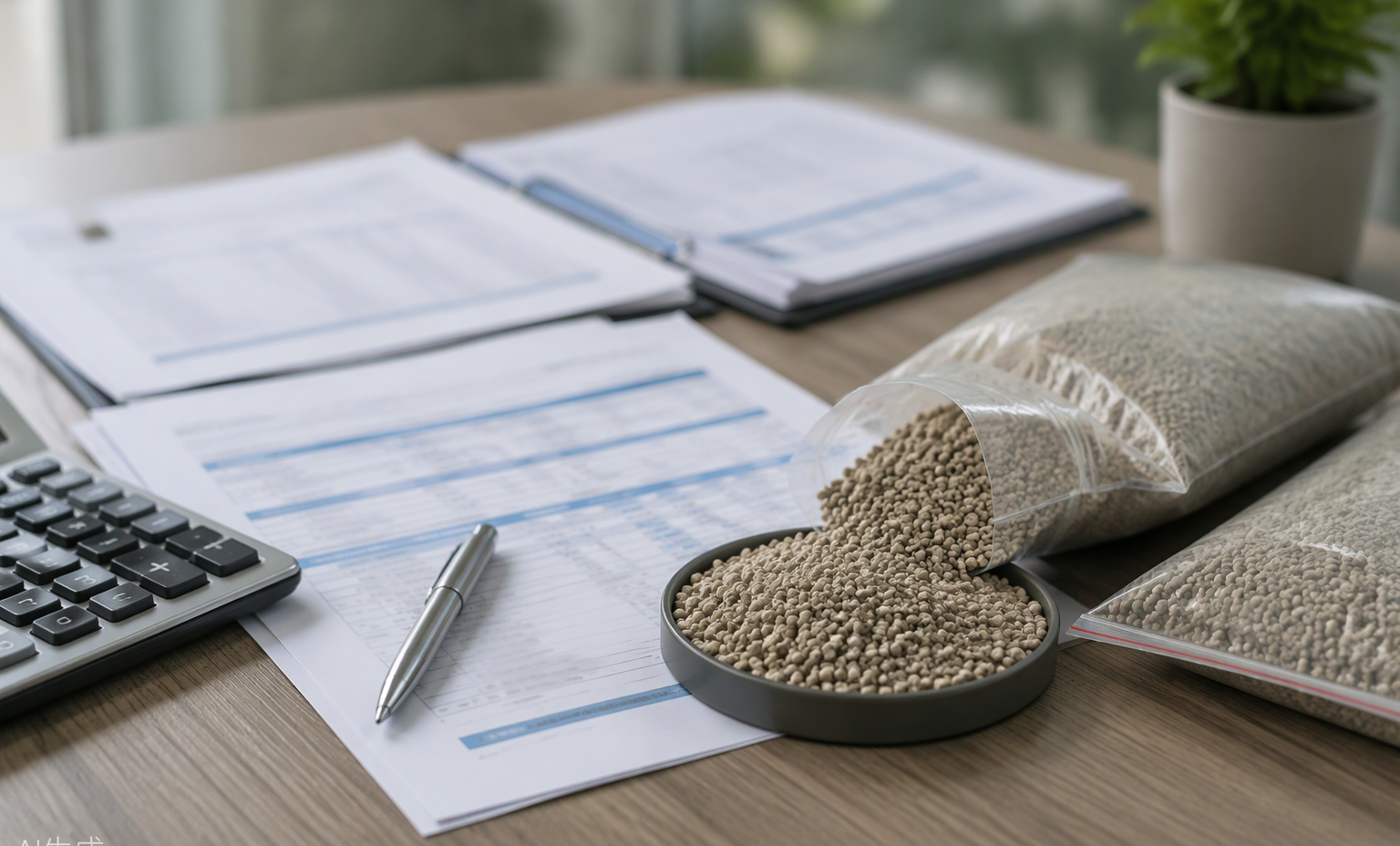
Ask every supplier for the same thing: a written cost breakdown against your spec sheet.
Spec Differences Disguised as Price Differences
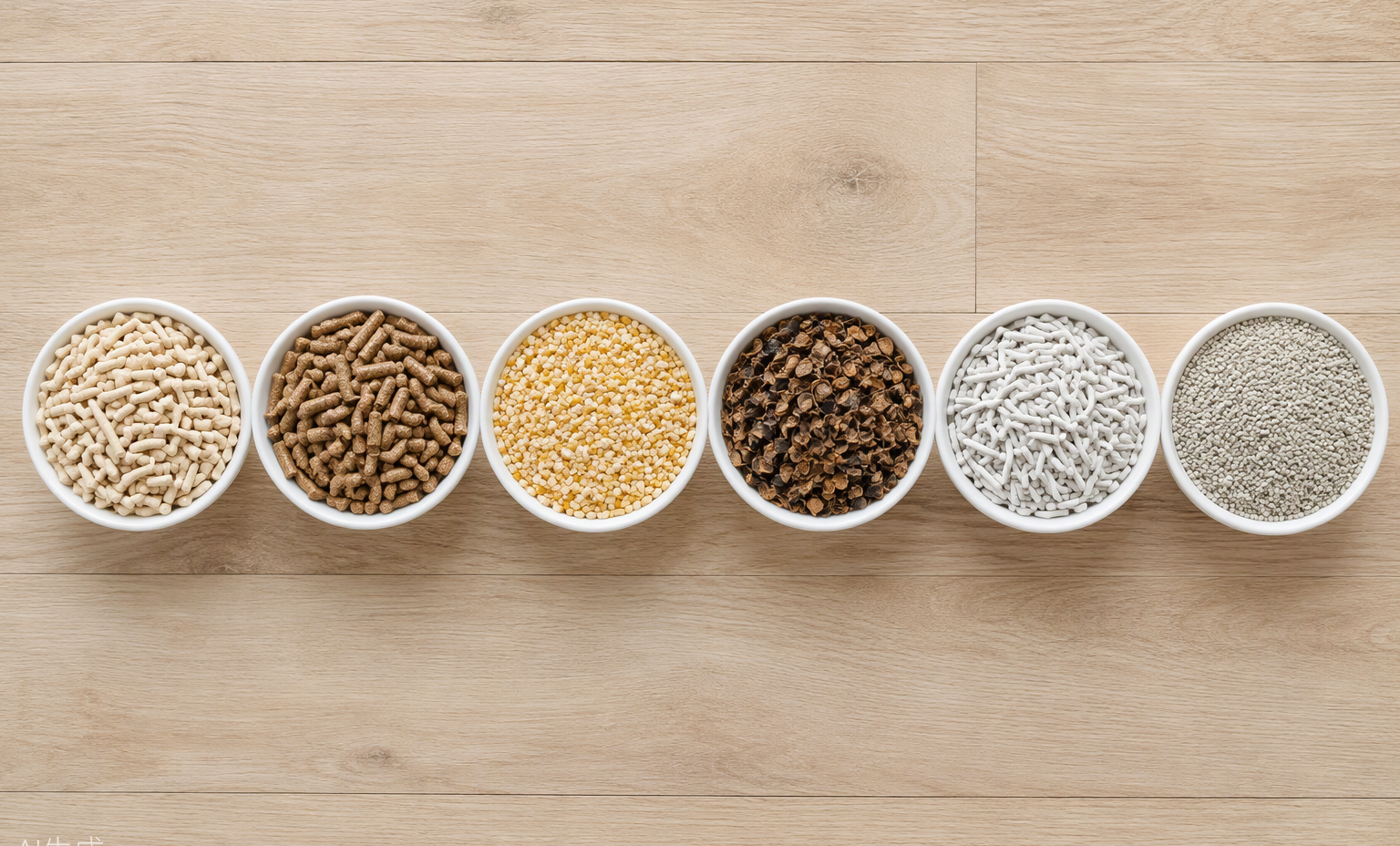
Two quotes rarely describe the same product. Before comparing prices, pin down granule size distribution, dust percentage, moisture content, fragrance load, and net weight per bag. A cheaper quote may simply be a dustier, wetter product in a thinner bag — which shows up later as customer complaints, not savings.
Freight Can Exceed the Product Cost
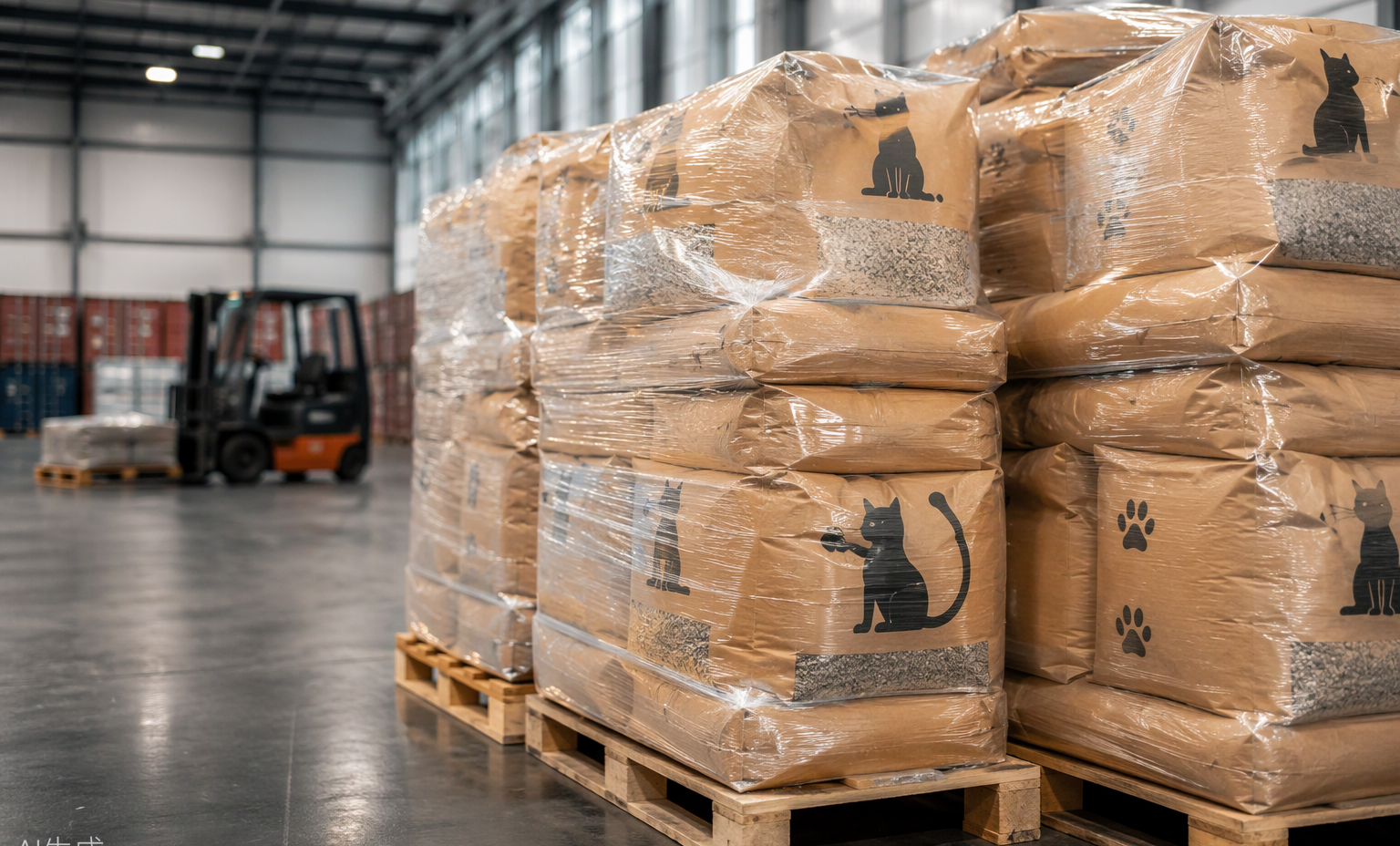
Cat litter is heavy and bulky, so container loading efficiency is a real cost lever. Bag dimensions, pallet patterns and whether product ships palletized or loose-loaded all change how many tons fit in a container — and therefore your landed cost per bag. A supplier who quotes slightly more per ton but packs containers efficiently can win on total cost.
How to Compare Quotes the Right Way
Normalize every offer to the same written spec, same packaging, same Incoterm and same destination, then calculate landed cost per retail unit — not per ton. Order samples before committing, and treat the quote exercise as a supplier test: the partner who answers cost questions precisely is usually the one who runs a precise production line.
At Acmic, we quote OEM and ODM cat litter against your written spec with transparent cost breakdowns, so comparisons stay honest. Contact us for a detailed quotation.