

Custom Scents and Additives: How Cat Litter Customization Actually Works in OEM Production

Recent posts

Flushable Cat Litter: What the Claim Really Means for Private-Label Brands

Flushable Cat Litter: What the Claim Really Means for Private-Label Brands

The Rise of Private Label in Pet Retail: Why Store Brands Are Moving Into Cat Litter

The Rise of Private Label in Pet Retail: Why Store Brands Are Moving Into Cat Litter

Beyond Bentonite and Tofu: A Buyer's Guide to Alternative Cat Litter Materials

Beyond Bentonite and Tofu: A Buyer’s Guide to Alternative Cat Litter Materials

Comparing Cat Litter Quotes: Why the Cheapest Price Per Ton Can Cost You More

Comparing Cat Litter Quotes: Why the Cheapest Price Per Ton Can Cost You More

Inside the QC Lab: The Standard Tests Every Cat Litter Batch Should Pass

Inside the QC Lab: The Standard Tests Every Cat Litter Batch Should Pass

Why Cats Are Winning the Urban Pet Race — and What It Means for Litter Demand

Why Cats Are Winning the Urban Pet Race — and What It Means for Litter Demand

social share

Send Message

Custom Scents and Additives: How Cat Litter Customization Actually Works in OEM Production

Custom Scents and Additives: How Cat Litter Customization Actually Works in OEM Production

Ask any OEM cat litter manufacturer what buyers request most, and custom scent is near the top of the list. It’s also one of the easiest customizations to get wrong — too weak and consumers don’t notice it, too strong and cats refuse the box. Here’s how scent and additive customization really works on the production side, so you can brief your supplier properly.

What Can Actually Be Customized

Beyond the base formula, an OEM partner can typically adjust:

  • Fragrance type and strength — from classic baby powder and lavender to market-specific profiles.
  • Functional additives — activated carbon for odor adsorption, baking soda, color granules, or antibacterial agents.
  • Inclusion rate — how much of each additive goes into the mix, which directly affects both cost and performance.
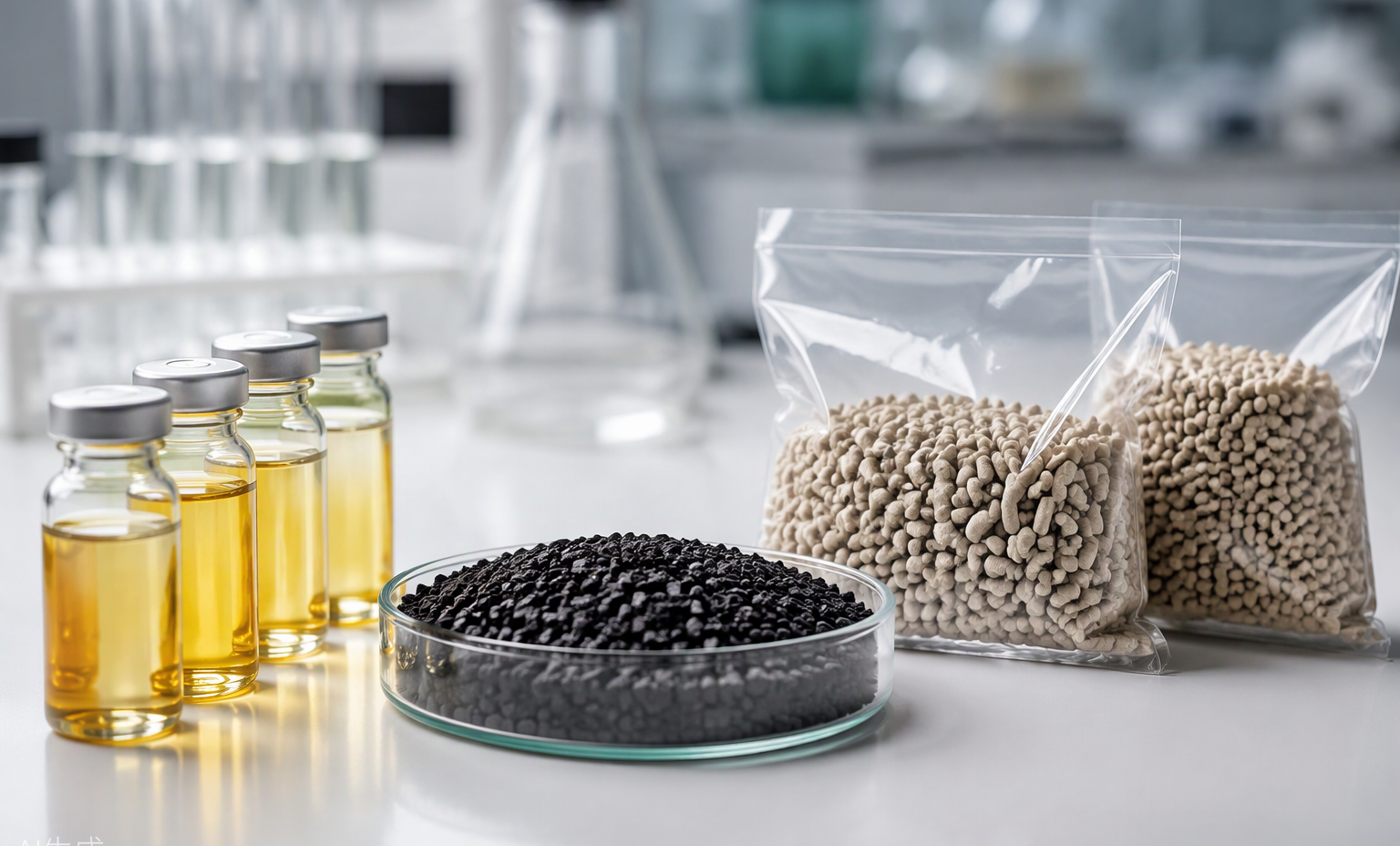
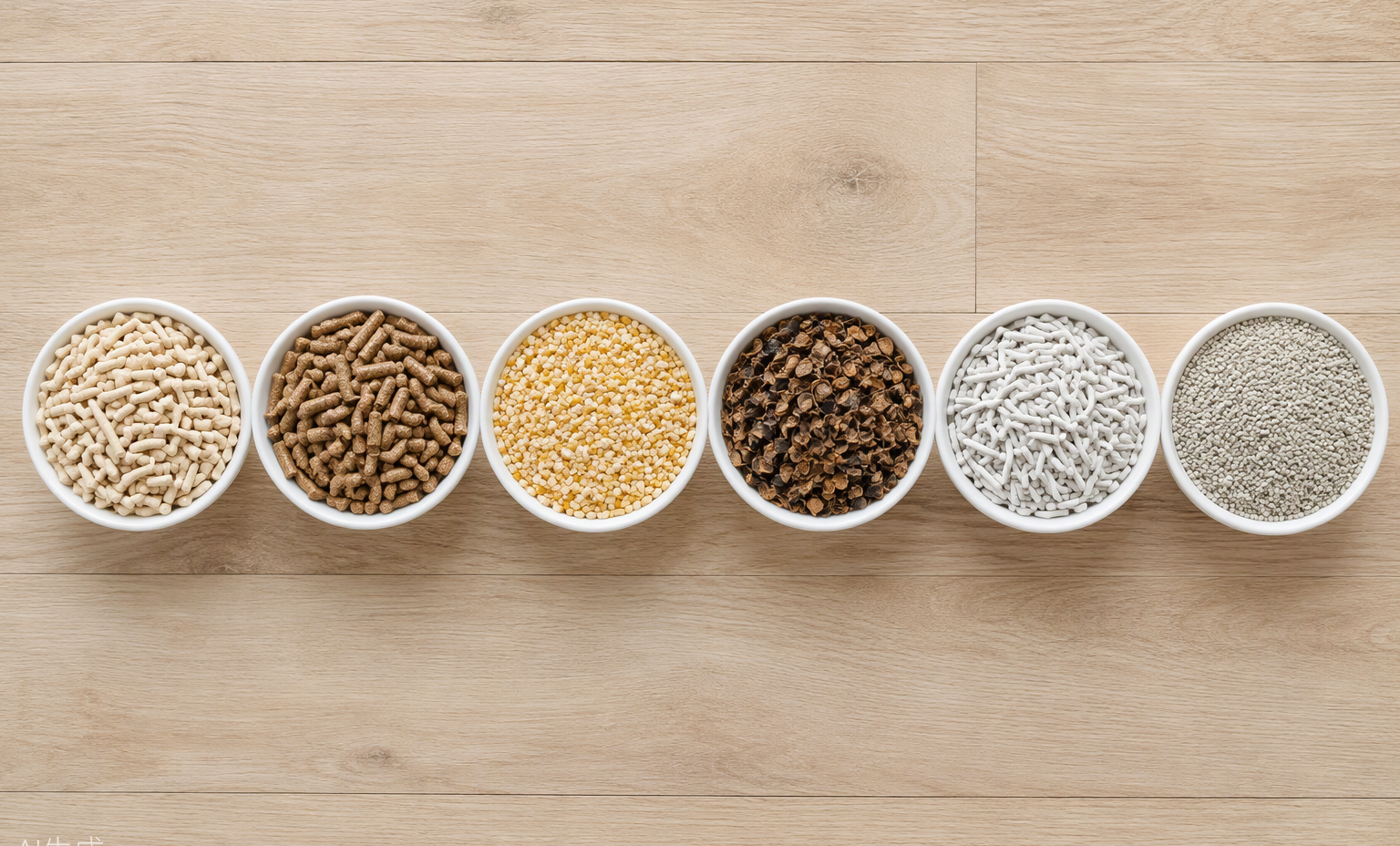
Fragrance oils, activated carbon and litter samples prepared for a customization brief

How Factories Apply Scent

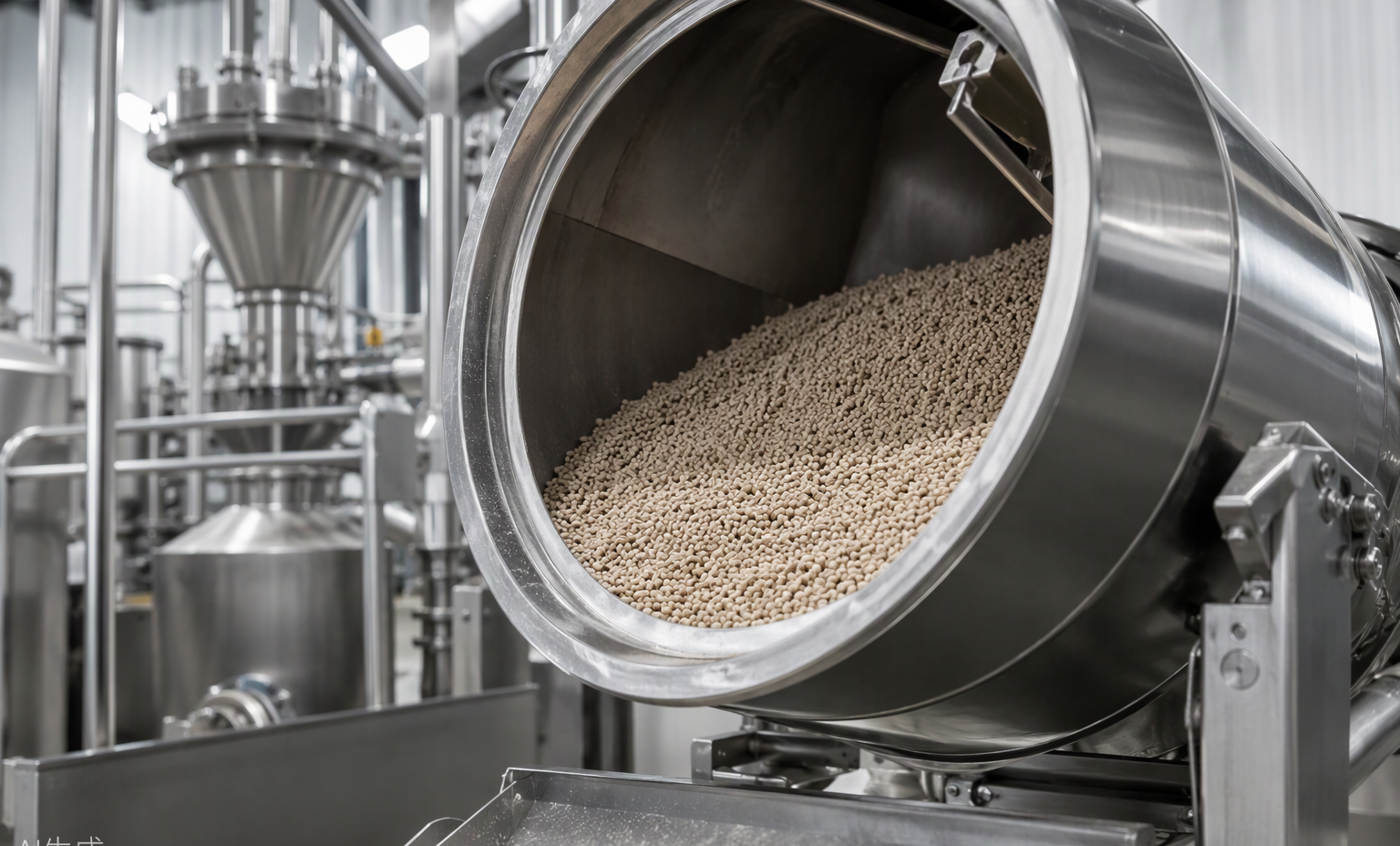
Fragrance is usually applied as a liquid essence sprayed onto the granules after drying — not mixed in before. The reason is simple: drying uses heat, and heat destroys fragrance. Post-drying application keeps the scent intact, but it also means the fragrance sits on the surface, which is why dosing discipline matters so much. A line that over-sprays to “make it noticeable” produces litter that overwhelms a small apartment and can put cats off the box entirely.

Regional Preferences Differ Sharply

Scent preference is not universal. Strong, sweet fragrances sell well in parts of the Middle East and Asia, while unscented or lightly scented products dominate the premium segment in Europe and North America. If you sell across regions, don’t assume one formula fits all — and check fragrance allergen labeling expectations in your destination markets before finalizing artwork.

Functional Additives Need Functional Evidence

Additives sound like free marketing, but each one carries questions:

  • Activated carbon genuinely adsorbs odor molecules — but only at meaningful inclusion rates.
  • Baking soda shifts pH; some formulators avoid it in clumping litters because it can affect clump integrity.
  • Antibacterial claims are regulated in many markets. A bag that says “antibacterial” may need to comply with biocide or treated-article rules in the EU and similar frameworks elsewhere.

Ask your supplier what the additive does, at what rate, and what claim wording the formula can actually support.

How to Brief Your OEM Partner

A good customization brief includes: your target market, scent references (existing products you like), desired strength level, any functional additives with target claims, and packaging copy you intend to use. Then approve physical samples — and ideally re-test them after a few weeks, because fragrance can fade during sea freight and warehousing.

At Acmic, we produce bentonite, tofu and silica cat litter with custom fragrance and additive options for OEM and ODM partners, and we can prepare sample variants for side-by-side comparison. Contact us to start a customization brief.

Leave a Comment

Your email address will not be published. Required fields are marked *

Related blogs

Flushable Cat Litter: What the Claim Really Means for Private-Label Brands

Flushable Cat Litter: What the Claim Really Means for Private-Label Brands

The Rise of Private Label in Pet Retail: Why Store Brands Are Moving Into Cat Litter

The Rise of Private Label in Pet Retail: Why Store Brands Are Moving Into Cat Litter

Beyond Bentonite and Tofu: A Buyer's Guide to Alternative Cat Litter Materials

Beyond Bentonite and Tofu: A Buyer’s Guide to Alternative Cat Litter Materials

Comparing Cat Litter Quotes: Why the Cheapest Price Per Ton Can Cost You More

Comparing Cat Litter Quotes: Why the Cheapest Price Per Ton Can Cost You More

Inside the QC Lab: The Standard Tests Every Cat Litter Batch Should Pass

Inside the QC Lab: The Standard Tests Every Cat Litter Batch Should Pass

Why Cats Are Winning the Urban Pet Race — and What It Means for Litter Demand

Why Cats Are Winning the Urban Pet Race — and What It Means for Litter Demand

Deposits, Balances and Trade Assurance: How to Pay a Cat Litter Supplier Safely

Deposits, Balances and Trade Assurance: How to Pay a Cat Litter Supplier Safely

Clumping vs Non-Clumping Cat Litter: What Should Your Range Stock?

Clumping vs Non-Clumping Cat Litter: What Should Your Range Stock?

Where Cat Litter Raw Materials Come From — and Why Your Supplier's Sourcing Matters

Where Cat Litter Raw Materials Come From — and Why Your Supplier’s Sourcing Matters

How Cat Litter Odor Control Works: Activated Carbon, Baking Soda, Fragrance and More

Scroll to Top

Scan It

Scan It